
Strong and focused
caption
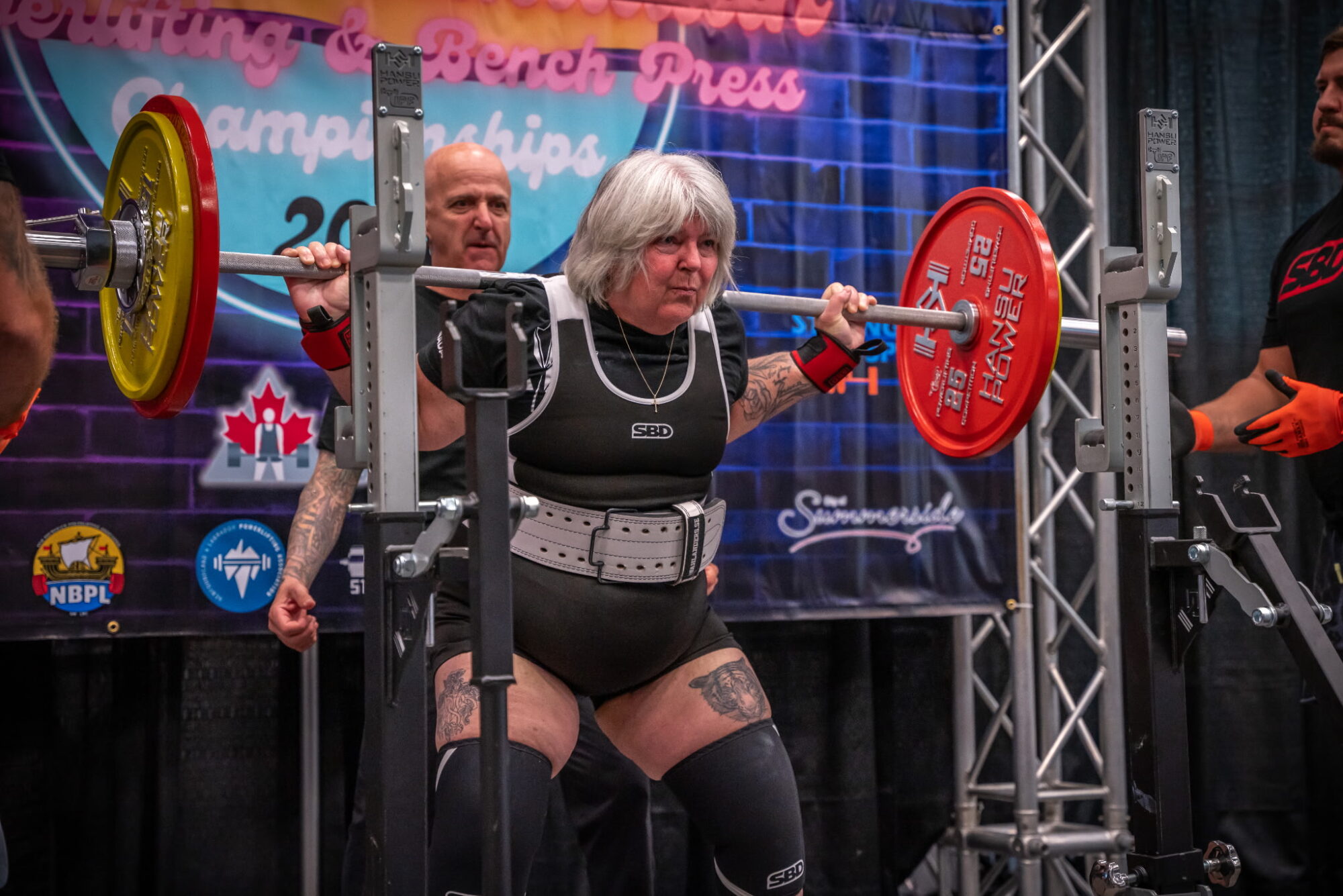
Sue Bonneau at the 2023 Canadian Powerlifting Union Eastern Championships in Summerside, PEI.Sue Bonneau started powerlifting at 57. Why would a grandmother do such a thing?
Sue Bonneau waits in line at the 2022 Masters World Powerlifting Championships in Saint John’s, Newfoundland, for the routine equipment check and weigh-in. A woman appears beside her and whispers theatrically in a Norwegian accent:
“I am going to crush you.” It’s a competitor.
“Oh, really?” Bonneau laughs.
They hit it off. In 2024 the women reunited for a competition in South Africa. It felt like they had last chatted only yesterday. Next March they’ll compete again in Newfoundland. They plan to share a hotel room and celebrate Bonneau’s 66th birthday.
The people Bonneau meets through powerlifting keep the blood flowing through her veins. The community is the pulsing backbone of the sport she loves; this is vital.
In 2016, Bonneau was an accountant at the Halifax Canada Games Centre. During a presentation by a chiropractor over her one-hour, unpaid lunch break she first heard: everything in the body is connected.
It clicked.
Back pain and tension headaches often arose from being hunched over at a desk. By December, Bonneau was working with a personal trainer to strengthen her back and improve her posture.
In June 2017 a co-worker invited Bonneau to a powerlifting meet. She accepted. Seated in the audience, Bonneau felt the room’s intense energy. When athletes lifted, spectators screamed: “Up!Up!Up!Up!Up!Up!Up!” She was captivated.
After the weekend, Bonneau told her personal trainer: “I want to learn how to do bench press and deadlift. I want to do powerlifting.” Six months later, she competed. Women often tell Bonneau, “I couldn’t do what you do.” She always says, “You can. You just have to start.”
Humans have been lifting weights for as long as we have been on two legs. Powerlifting gained popularity in the early 1900s. People wanted to know, “Who’s the strongest?” In 1965, the Amateur Athletic Union in the U.S. conducted its first National Powerlifting Championship. The chosen lifts were bench press, deadlift, and squat. In 1973 the first International Powerlifting Federation World Championship was held. By the end of the decade, powerlifting was a recognized sport, accepted globally.
caption
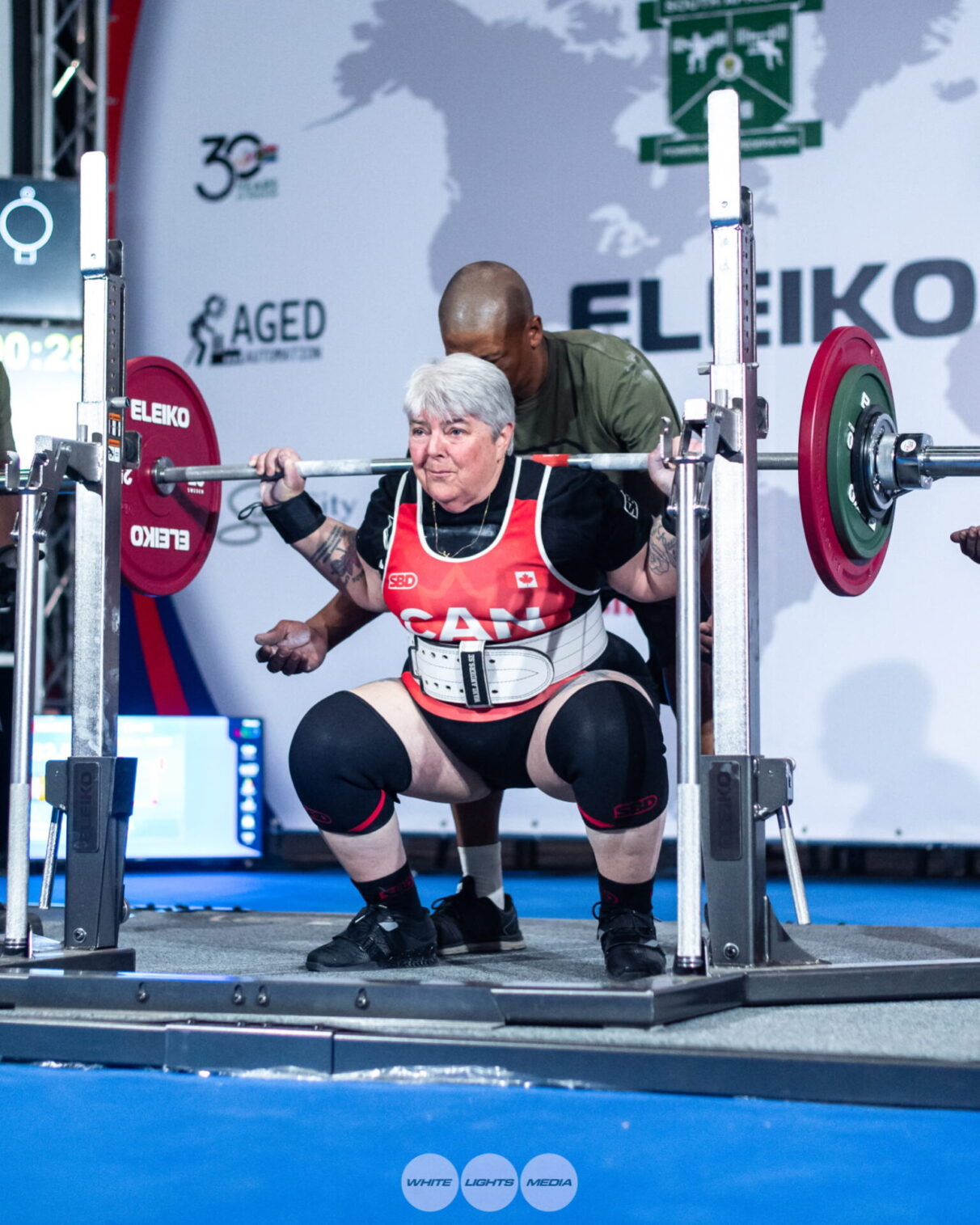
Sue Bonneau at the 2024 Commonwealth Powerlifting Championships Sun City, South Africa.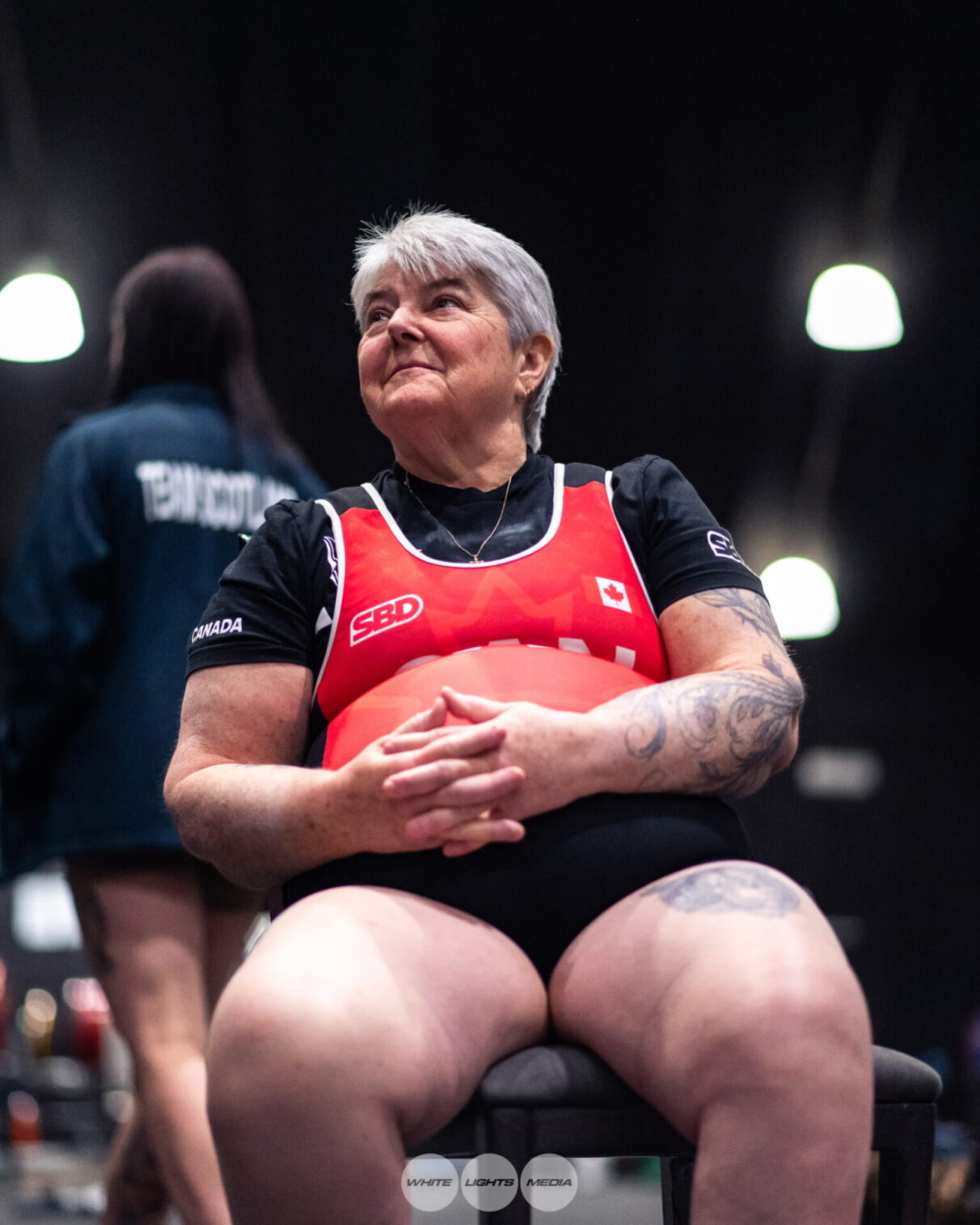
caption
Sue Bonneau at the 2024 International Powerlifting Federation Championships, also held in Sun City, South Africa.Bonneau’s gym, East Coast Barbell, is in a classic Dartmouth blend of nature and industrialization. She’s been a member since they opened in 2022 and usually trains a couple of times per week.
Compared to other gyms, this one is small – and centered on powerlifting. There’s no bleak line of treadmills where humans look like hamsters in a wheel. The space is mainly filled with squat racks, bench presses, and deadlift platforms from competition-approved brands. Most importantly, the gym boasts a supportive membership. It’s a community within the larger powerlifting scene.
Members share the communal speaker. If Bonneau hears Dire Straits’ Walk of Life, she’ll sing along; members leave old powerlifting equipment in cubbies for the taking. People here share an understanding: they have decided to spend a beautiful Sunday afternoon inside, surrounded by chalk, sweat and the sound of grunting.
Laura and Dayman Perry, the owners of East Coast Barbell, frequent the gym. Between sets, Bonneau chats with Laura about women’s powerlifting weight classes and the pressure to be “lean.”
“Who needs a 47-kg weight class?” Bonneau asks Laura. “I can bench more than that.”
During a routine propane tank refill at Costco, Bonneau exhibited the real-life effects of powerlifting. After paying inside, she showed the male attendants her receipt and grabbed a 30-pound tank in each hand. Throwing back her shoulders, she walked to her car.
The men’s jaws dropped.
Sue and Drew
Ten years ago, Bonneau returned to her birthplace, Scotland, to scatter her aunt’s ashes in the northern mountains – a place where travelers can feel they have reached the end of the world. When she was one year old Bonneau moved from Scotland to Dartmouth. Two years later, her mother died.
Her father, Bonneau says, was distant, unaware of how to express his feelings. Her grandmother stepped up, filling the vacant role of mom for Sue and her brother, Drew. When Sue was 11 Bonneau’s father remarried and her grandmother moved out. Having the two women in the same household proved impossible.
Bonneau no longer speaks to her father.
As kids, Drew and Bonneau fought heavily; once older, they became close. Drew loved cooking. He started out as a dishwasher and worked up the ranks to executive chef. He was strict. You don’t work hard? Gone. You don’t treat the customers well? Gone. His employees knew he had high expectations. The employees who stayed, Bonneau says, stayed because they loved him. Later, he switched careers and became a sommelier.
At Christmas, Drew cooked with red wine-stained lips. His specialties were a mashed potato dish with turnips, bacon, and onions; lemon rum jelly; and carrots with Moroccan spices sizzled in a frying pan. Bonneau prepared the turkey and stuffing, instructions ingrained by her grandmother. Drew always carved the turkey.
In 2011, he died from lung cancer.
Drew’s funeral overflowed into the entryway of the church. “That’s how he touched people,” Bonneau says. “That’s how special he was.” She admired his strength – a trait that’s not inherited but cultivated over a lifetime.
caption
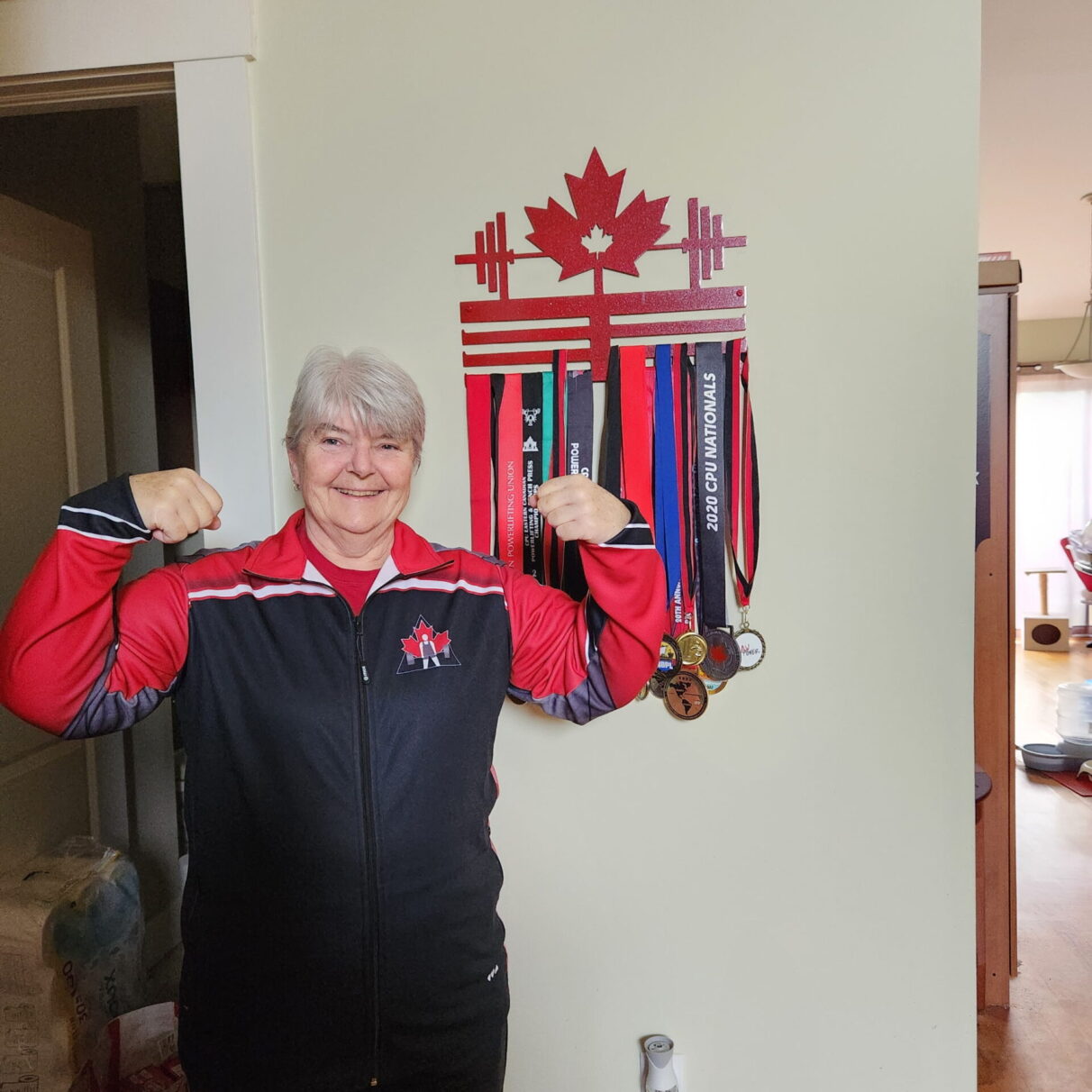
Sue Bonneau, at home in Dartmouth, poses with her medals.Powerlifting community
“He’s bein’ a jerk, he’s bein’ a jerk,” Bonneau whispers to herself.
It’s Saturday morning at the gym. The workout: banded bench press – a new exercise. She sits on the bench and watches YouTube tutorials on her phone. The scent of rotting fruit floats from the garbage nearby, a clementine and banana peel are crumpled on a paper towel. Bonneau is still confused about the set-up and her online coach isn’t responding to her questions.
Laura Perry notices her struggling and comes to help. She loops a skinny red band over either edge of the bar, stretches them down, and attaches each over a peg on the sides of the rack. Bonneau lies down, positions her hands across the bar, and does three repetitions: bend elbows, pause at chest, and straighten arms. With the bar safely racked above her head, she rolls back to front like a turtle, and rises.
Radioactive by Imagine Dragons streams on the communal speaker. A yellow duck-man statue in the pose of Auguste Rodin’s The Thinker sits alongside paper cups and a coffee machine. On top of the white mini-fridge, a spider plant droops towards the ground. A print of Leonardo da Vinci’s Lady with an Ermine decorates the gym bathroom.
A young man bench presses beside Bonneau. He breathes like he’s wearing a gas mask, animated and heavily. On the barbell is 125-kg, as much as a giant panda. He catapults off the bench and aggressively unlatches his belt.
“Was that better?,” Bonneau asks. Regulars at the gym know each other. It’s normal to chat; everyone is friendly.
“Yeah.” But he’s frustrated, grunting and yelling. Something feels off, he says.
“Did you warm up enough?”
“That’s probably part of it.”
She smiles, her thin lips curled knowingly.
“The important part,” she says, “is you’re not giving up.”
He shakes his head. “No, I’m not giving up.” Soon he reattaches his belt and tries again.
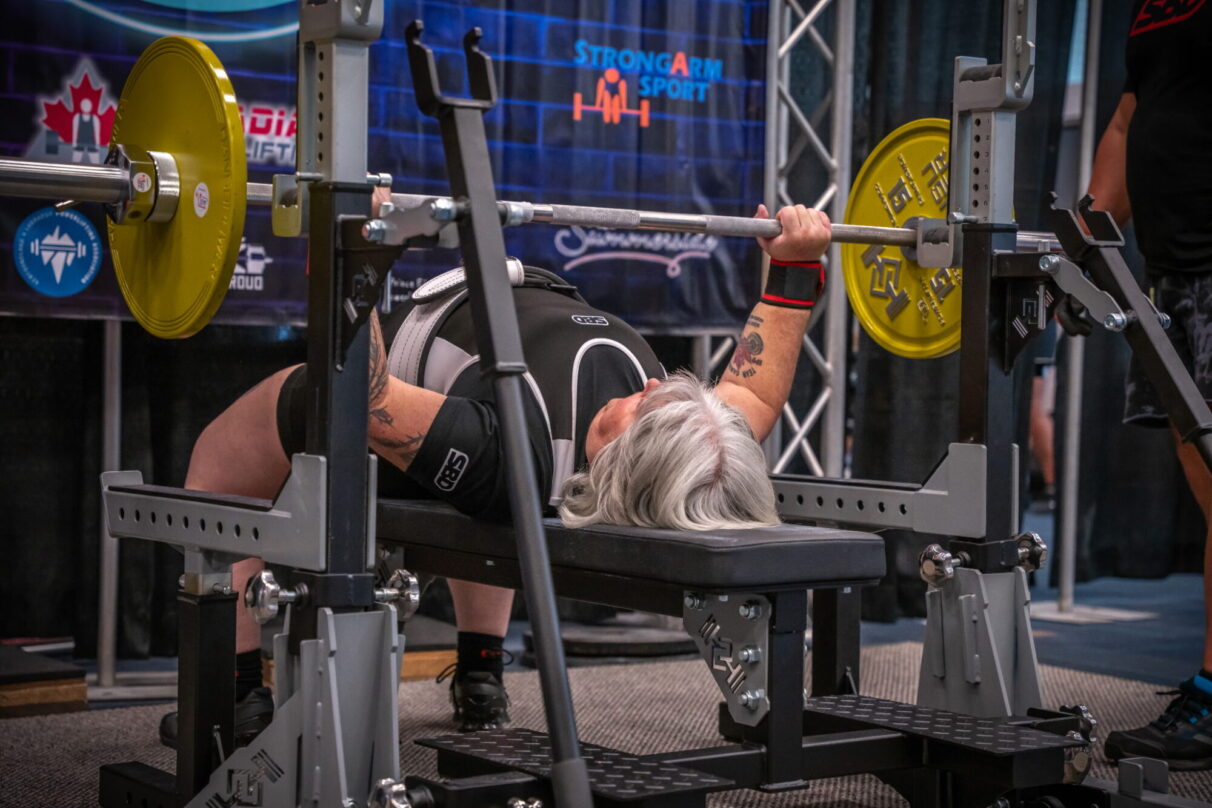
caption
Sue Bonneau bench presses at the 2023 Canadian Powerlifting Union Eastern Championships in Summerside, PEI.Alone time
On Friday nights when Bonneau’s grandkids were little, they came over for dinner and a movie.
Bonneau’s husband, Bruce, made chicken and Caesar salad with them – the grandkids’ usual request. When they started asking for risotto, Bruce learned how to make the dish. The kids had fun, adding one ladle-full of stock at a time to the rice, their little hands gripping the large spoon. Bonneau stayed away from the kitchen, lacking the necessary patience.
The grandkids loved Bruce’s humour. “You’re silly, grandpa!” they would say. Bruce would attempt to look stern: “Grandpas aren’t silly, they’re serious.” Then he’d burst out laughing.
For years, the couple escaped every weekend from spring till fall to their trailer. Instead of booking flights, they went on mini-vacations to the campground. After Bruce died from esophageal cancer in 2013, the trips became Bonneau’s sacred alone time.
Traces of him are permanently scattered on her skin. Behind Bonneau’s right ear are his initials, B.R.B. Often, Bruce put his arms around her while she washed dishes, and whispered in her ear. The tattoo, like her grief, is unnoticeable to most.
On Bonneau’s forearm is Bruce’s typical sign-off: “Love always & forever, Bruce.” The skull on Bonneau’s upper arm contains a rose for passionate love and a blue butterfly for transformation.
At the grocery store, Bruce would show off his math skills, calculating their total almost to the penny as they walked the aisles. In Sobeys this November, Bonneau searches for C-size batteries. Grocery shopping isn’t enjoyable now, it’s a necessity. She stops in front of the advent calendars – there are only two designs and she has three grandchildren. At checkout, the cashier apologizes for not carrying the right batteries and scans two duplicate advent calendars of Santa in his sleigh.
Being an adult is difficult without Bruce. The grief is a permanent knife in her stomach. The cut never heals.
In 2020, Bonneau bought a vacant lot for her trailer. Surrounded by trees and near a lake, her weekends in nature and seclusion helped her recover from work week stress. They provided a new perspective on life.
In July 2025 Bonneau sold the land and trailer. After 20 years, her getaways came to an end. Life is extra difficult without the regular escapes from reality, but they had become unaffordable. Bonneau still has to work full-time hours at the office. Ideally, she’d sell her house. With the extra money she could retire, move into an apartment, and never have to cut grass or shovel snow again. Also, she would be alone.
Due to the housing crisis, Bonneau has family living with her. Despite plenty of new construction in Dartmouth, affordable housing can be hard to come by. This situation weighs on Bonneau; she can’t move on to the next chapter of her life. Alone time is important, but family comes first.
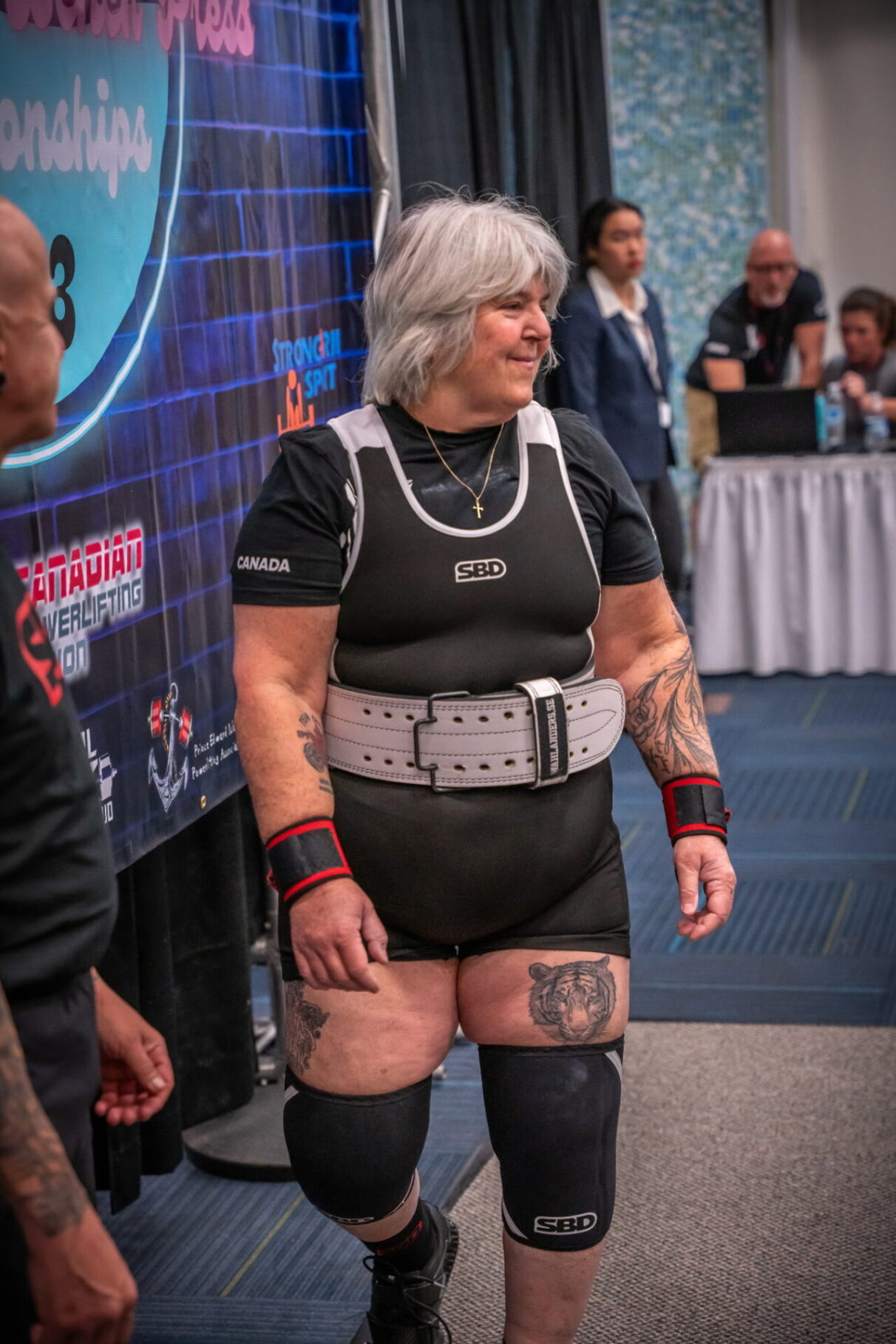
caption
Sue Bonneau at the 2023 Canadian Powerlifting Union Eastern Championships in Summerside, PEI.His Word through Instagram
Death transforms. Bonneau only became “a believer” when Drew was dying. He mentioned attending the Hillside Wesleyan Church. “You should come,” he said to Bonneau. Something about the look in his eyes made her say yes.
The following Sunday Bonneau, Bruce, Drew’s wife and her kids went to church. Drew was too sick. Going to church felt right but the Wesleyan church wasn’t home. Bonneau and Bruce tried another, the Anglican Church of St. Andrew. Bonneau entered and was overcome with a sense of belonging – like meeting a new person and feeling instantly understood. This, she thought, is our church.
For Bonneau, feeling at home in a church was surprising and unfamiliar.
Growing up she viewed religion negatively: if there’s an all-loving God, why would He take away her mother when Sue was a baby? But her perspective has changed: God didn’t take her mother, He was by her side while the weak cancer treatments of the ’60s could not help her.
Although Bonneau isn’t ready to die yet, at 65 she looks forward to reuniting with loved ones in Heaven. She’s afraid of pain and a horrible death, but is not afraid to die.
Things at church changed with COVID. They couldn’t hug or sing contemporary gospel music. Bonneau hasn’t been back since the pandemic. She misses the community, but it’s hard to pull herself out of a Sunday funk and get to church.
Still, every morning, Bonneau posts Bible verses with picturesque AI-generated-looking backgrounds on Instagram. Her hope is that God’s Word makes people think, resonates with them, or provides comfort. Bonneau’s favourite verse is “I can do all things through him who strengthens me” (Philippians 4:13).
With God by her side, she believes, she can do anything.
In powerlifting, when Bonneau is face-to-face with the bar, she has fear; something could always go wrong. Fear is inevitable; God doesn’t take away fear, he helps her carry it. At competitions, Bonneau kisses the gold cross around her neck or crossed herself. It’s a reminder that Jesus is with her, providing strength in her soul.
For Bonneau, God’s presence is constant. He feels like goosebumps on her arm when she hears a certain song, like a warm bear hug, like love.
Powerlifting family reunion
Before things get serious, Bonneau warms up. She squats five times, then rests, then squats again. Now it’s time to add weight.
The 10- and 15-kg yellow and green plates – coins for giants – clink onto the barbell. Bonneau stands inside the squat rack and begins her dance-like ritual, finishing by swooping forward and ducking under the bar. With 67.5-kg on her shoulders, the weight of a large recliner chair, she stands. Bonneau sinks, her body tight; knees crack, quadriceps strain, and eyes bulge. Then she pops back up.
Bonneau was late to the gym this morning; showing up is a struggle. Her depression makes it difficult to train. She’s dealt with grief all her life, and eventually it caught up to her. The worst of it comes in waves, and the past three years have been extra hard. It has shown in her lack of training and subpar results at competitions.
She has minimal energy for “inessential” tasks, powerlifting included. Bonneau has tried different training schedules, but each routine is short-lived. Some days she drives right past the gym’s entrance and can’t stop. Bonneau wants to train, but sometimes even the things we love can feel dark.
Her main motivation is competitions, where she sees her chosen family. In December there is the Hub City Open competition in Moncton. Spending days surrounded by the powerlifting community creates a beautiful, healing echo-chamber – the best remedy.
At the 2023 regional championship, Bonneau had only one competitor. The other woman became frustrated after failing her first attempt. Bonneau noticed, and gave encouragement and tips on getting out of a bad headspace. “Just go out there and do it,” she told her. In the powerlifting community, being supportive and competitive co-exist.
When she manages to train regularly, Bonneau notices improvements in both her mental health and quality of life. Lifting heavy weights can lighten the constant load.
As her chiropractor says, everything is connected.
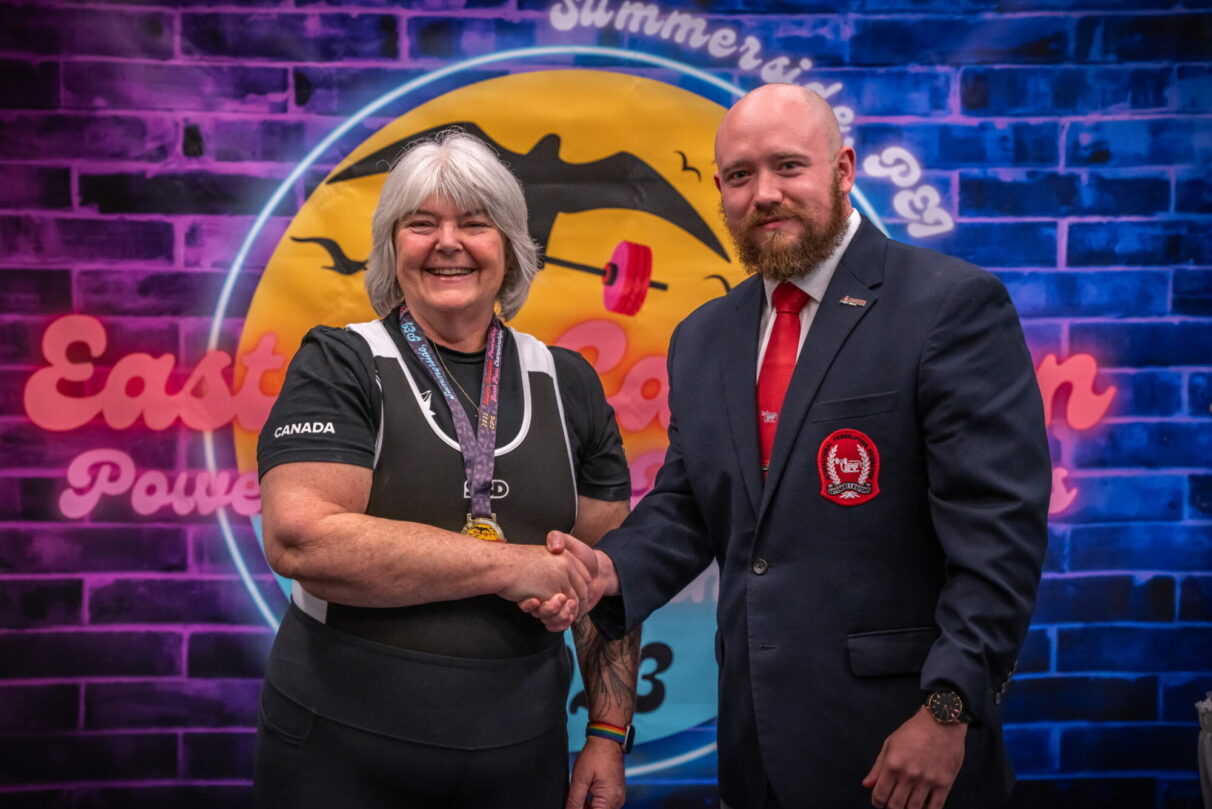
caption
Sue Bonneau shakes hands with Justin Smith, the Canadian Powerlifting Union vice-president of sport development.About the author
Ellie Enticknap-Smith
Ellie is a fourth-year journalism student at the University of King's College. She enjoys reading, writing, and swimming at the cottage in her...
