NSCC students turn to emergency food supports
Student pantry use increasing as cost of living keeps going up
caption
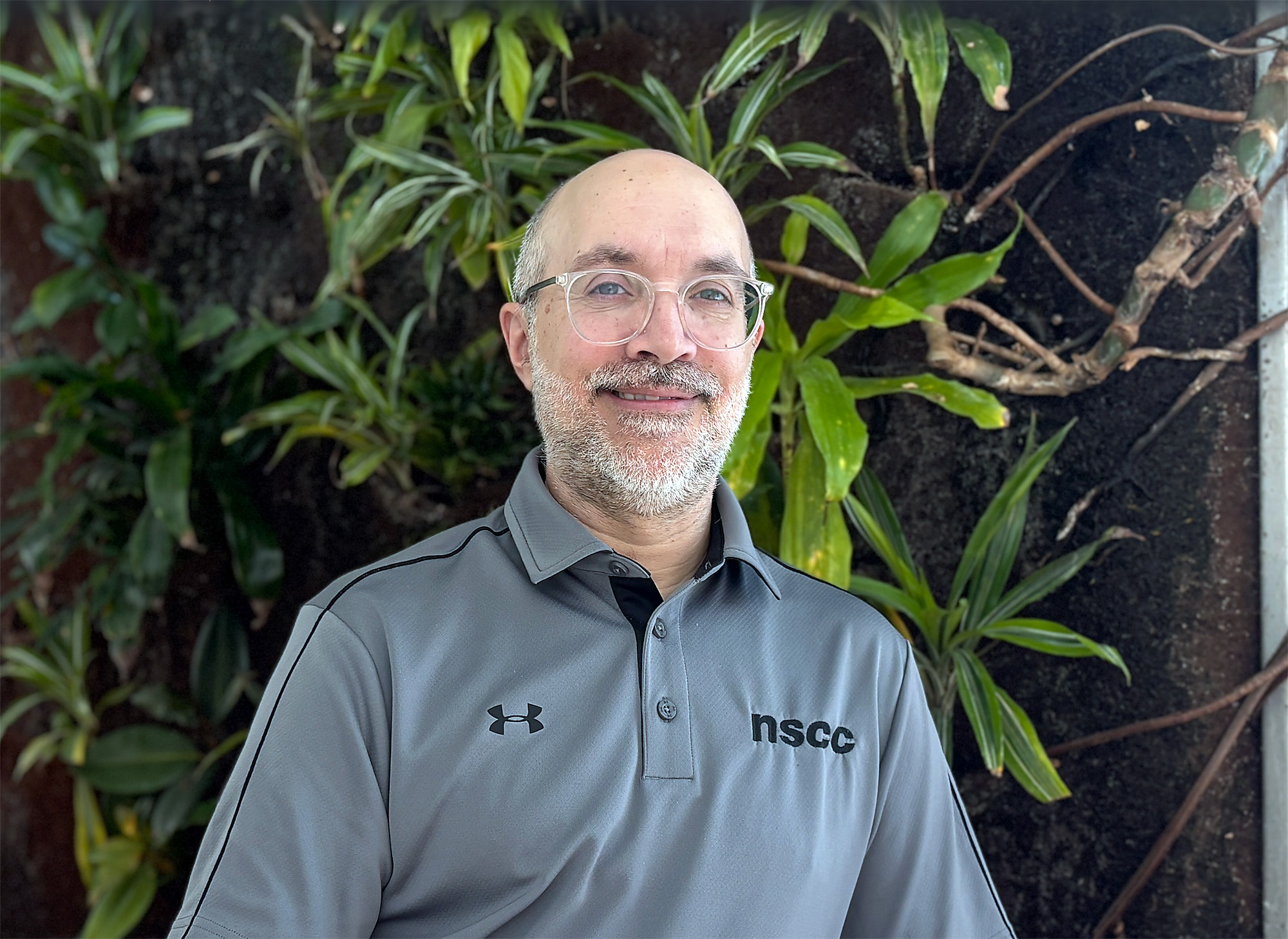
Mike LePage said the student pantry at Nova Scotia Community College's Halifax campus is an emergency service meant to “bridge a gap” for students facing financial strain.Inside a small room on Nova Scotia Community College’s Institute of Technology campus, shelves of canned goods and boxed pasta line the walls. Students book appointments, show their ID cards and leave quietly with a bag of groceries, one-on-one.
While students who use the pantry were difficult to reach for comment, provincial data suggests food insecurity is affecting a growing number of post-secondary students.
“The student pantry is an emergency service, it isn’t set up to deal with volume,” said Mike LePage at the NSCC Halifax campus in an interview. LePage works in the college’s student life department in Halifax, supporting student-run services and helping connect students with resources.
“We’re here to bridge a gap,” he said.
NSCC’s student pantry is managed, funded and run by student associations across the province, allowing each campus to adjust its services based on student needs. Supports can include physical pantry shelves, grocery gift cards for students with dietary restrictions, and additional programs such as breakfast initiatives.

caption
Shelves of canned goods, boxed pasta, cereal and milk line the NSCC student pantry at the campus in Halifax on Feb. 4. The student-run service is designed to provide emergency food support for students facing short-term financial strain.Feed Nova Scotia’s latest quarterly report shows food bank use rising across the province. Between October and December 2025, 37,331 people accessed support with 110,993 total visits, a 5.3 per cent increase from the same period the year before.
The report found 18 per cent of clients were current post-secondary students and more than 90 per cent cited cost-of-living pressures, including food and housing costs, as the reason for seeking help.
In an online interview with The Signal, Sue Kelleher, Feed Nova Scotia’s director of community partnerships, said increasing food bank visits indicate the situation is getting more intense, noting that food banks are only a short-term solution.
“In some cases, the unique clients are not increasing, but the number of visits are increasing, which suggests deeper need,” she said.
“We’re aware that the work we do is a Band-Aid solution. The solutions are policy change, income-based, housing-based and really we’re talking about a change in the way things are prioritized by our governments.”
Kelleher added that campus pantries like NSCC’s student pantry wouldn’t be captured in Feed Nova Scotia’s data, as students may feel more comfortable accessing support anonymously.
Those affordability pressures are what NSCC staff say are pushing more students to rely on emergency support.
“Financial planning is probably the most important skill any student can have,” LePage said. “Rising costs of rents, insurance, gasoline, you name it. Everything is going up relative to what we’re actually bringing in.”
NSCC student association president Envy DeGrace said stigma remains one of the biggest barriers preventing students from seeking help.
“A lot of people struggle to ask for help,” DeGrace said in an interview on the NSCC campus. “There is a lot of stigma around food banks, that’s also why we changed the name from a student food bank to a food pantry.”
DeGrace, who has used the pantry, said the student-led aspect helps create a more welcoming environment.
“Most of the time it’s someone else who is going through food insecurity themselves,” DeGrace said. “I was going through it when I did it last year, having someone you can relate to really does help and change the environment.”
Colton Snelgrove, student pantry co-ordinator at the Halifax campus, said supports have expanded beyond food alone. This year, the pantry introduced a “necessity storeroom,” offering hygiene essentials like soap, toothpaste, and laundry detergent.
“Before, students would have to choose between necessities or food,” Snelgrove said. “I created the necessity storeroom because I saw the need for it.”
DeGrace said pantry use often spikes at certain times of the year, particularly around major breaks. They reviewed campus data and found fewer students accessed the pantry in early January, which they believe is partly due to the student association’s holiday hamper program in December.
Holiday hampers include items meant to resemble a holiday meal, such as turkey, stuffing, canned goods and vegetables, designed to support students through the three-week winter break.
“The holiday hampers help a lot through those three weeks,” Snelgrove said. “So when we come back in January, it’s not as stressful.”
But DeGrace said rising food prices can create difficult budget decisions for student leaders trying to keep the pantry stocked.
“At the beginning of the year, we met (as the student association executive) and talked about how much we want to spend on food,” DeGrace said.
“We were hoping to give a bit less because we put in a greenhouse for fresh produce, but realized there wasn’t enough money for the food, so we increased it back to last year’s budget.”
DeGrace said if demand or prices continue to rise, funding may need to be shifted away from other student services, and could even lead to higher student fees.
“We don’t want to have students pay more than they’re already paying,” DeGrace said. “If demand keeps going up the way prices have been going up, it would be, in my opinion, unsustainable.”
LePage said NSCC can also direct students to longer-term community resources when emergency pantry support is not enough.