
Volunteers work to naturalize Fort Needham Memorial Park
North-end park is busiest in HRM's Adopt-a-Park program
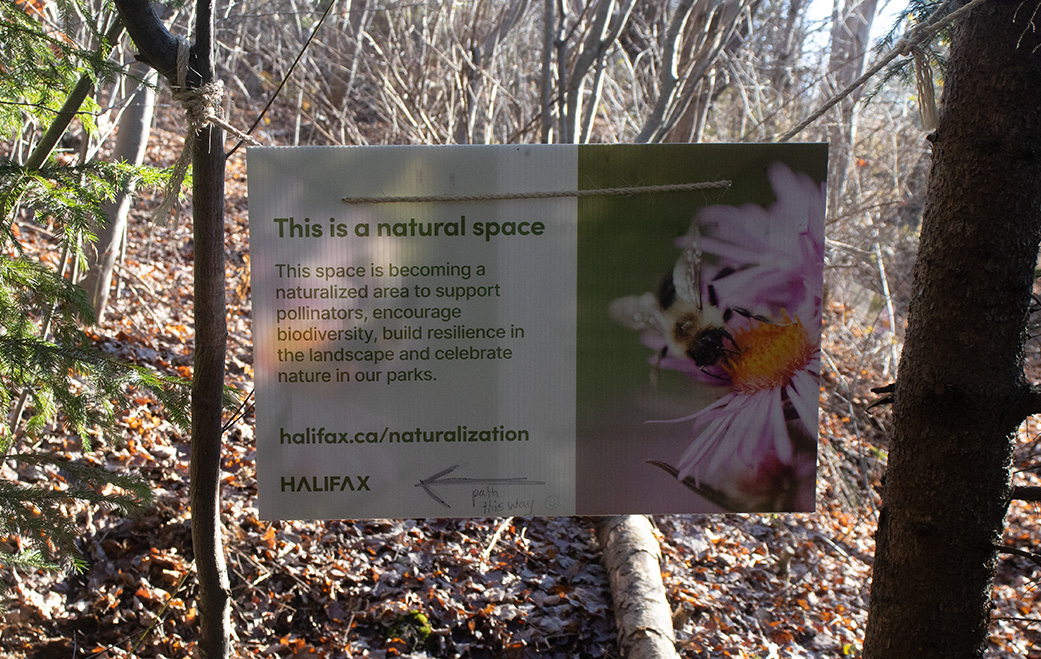
caption
A sign informs the public of the naturalization process of Fort Needham Memorial Park.A squad of volunteers is working to restore a park in Halifax’s north end, clearing out invasive plant species and reintroducing native species.
HRM’s Adopt-a-Park program involves communities in park maintenance, management and invasive species control. The program was launched in autumn 2025.
Fort Needham Memorial Park was adopted by volunteers in July, has around 40 volunteers and is the most active park in the program, says the city.
“We have over 900 parks in the municipality, and we just don’t have the staff capacity to give each park the level of stewardship that a lot of folks that live (nearby) wish the parks could have,” said Shauna Doll, an environmental specialist with the municipality’s environment and climate change division.
“(Fort Needham Memorial Park) used to have a really robust understory, but during the pandemic there was an encampment that popped up in the area . . . through living there for a while, there was a lot of trampling that suppressed the understory.”
HRM spokeswoman Laura Wright said the city never designated Fort Needham as an encampment site, so they don’t know how many people were living in the park at the time.
Volunteers are now working to restore the understory in Fort Needham by planting a variety of native species suitable to the environment, like Canada mayflower and wood ferns. They’re also removing invasive species such as multiflora rose. They have set up ropes to prevent visitors from walking on the forest floor.
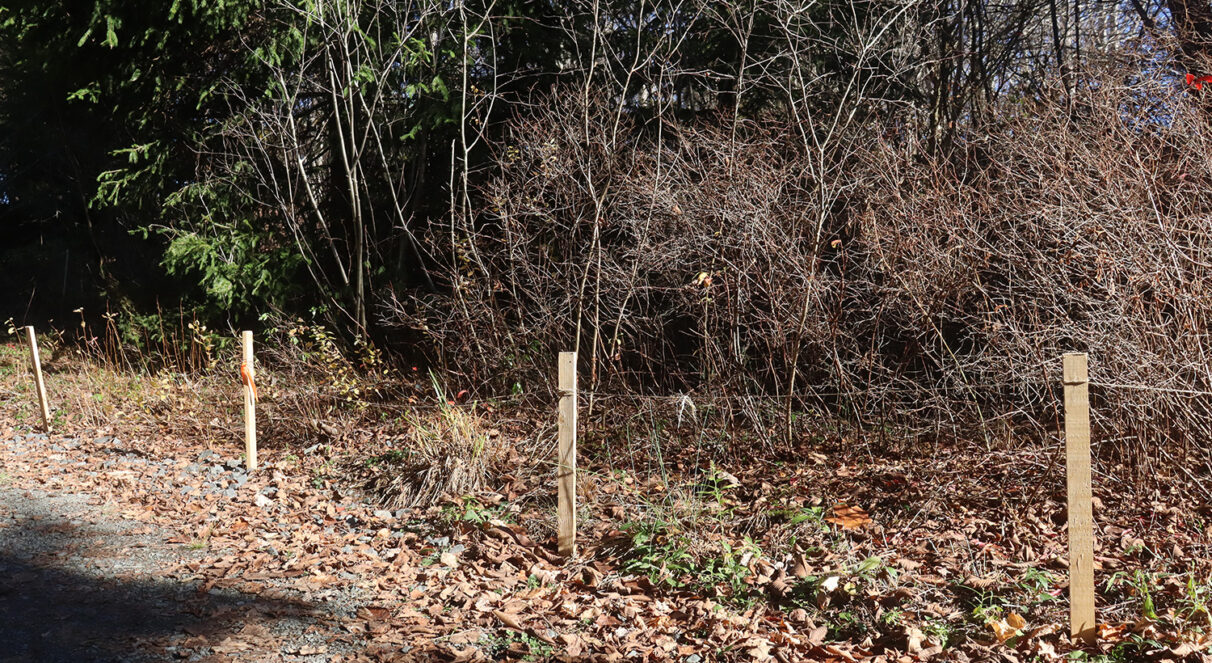
caption
Small ropes have been set up in areas of Fort Needham Memorial Park to keep park visitors from walking on intended areas of naturalization.“There’s a desire to have some food-bearing species . . . the native blueberry . . . bear berry and bayberry,” Doll said. The volunteers are also planting shrubs and native rose species to restore biodiversity to the understory.
Sam Knight co-leads the volunteer program at Fort Needham. They said that, while an encampment did affect some parts of Fort Needham’s vegetation, it “was one of many activities that contributed to the forest degradation in the past decade.”
“People have been regularly walking and . . . cycling, in the area. Each activity has built on the last to contribute to the loss of plants and opening of bare ground.”
For now, the ropes in Fort Needham will be removed in the winter and re-installed in the spring. The volunteers and the city say they put the ropes up to allow natural regrowth before they begin planting full-scale.
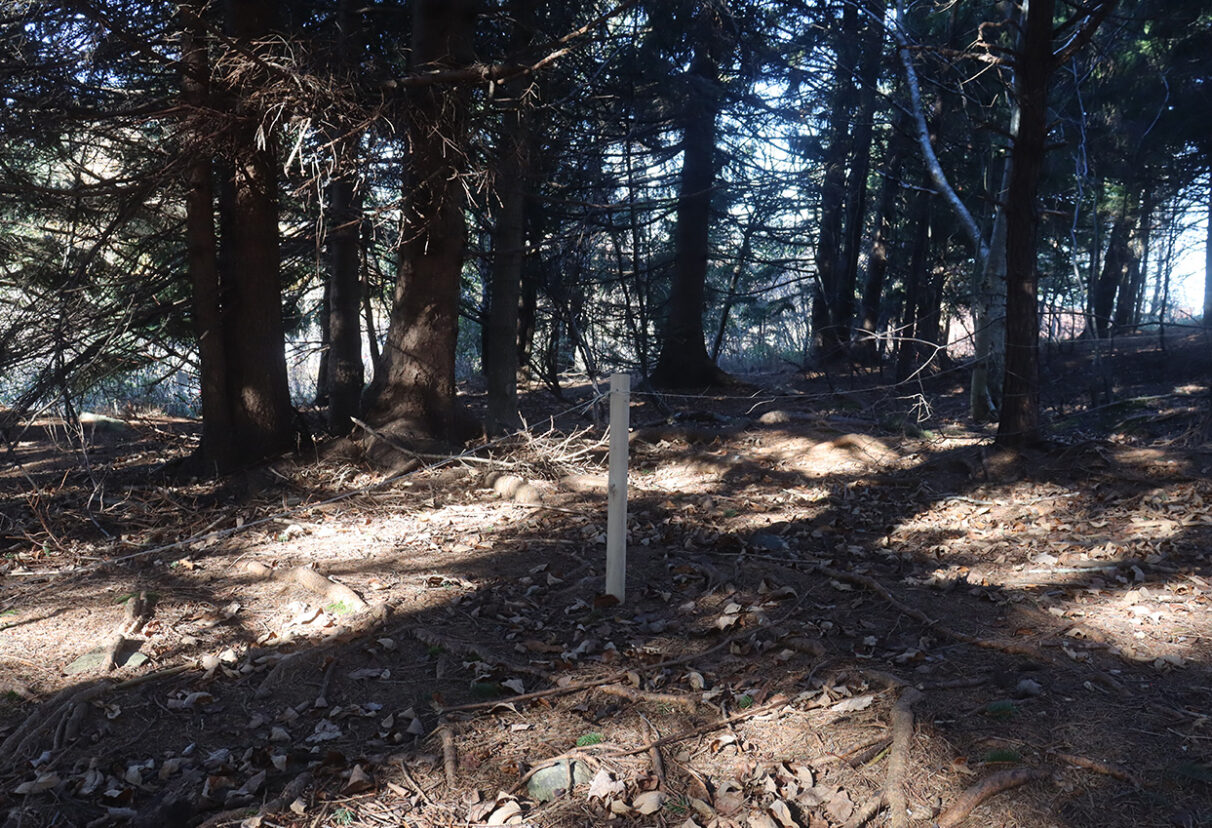
caption
The forested area of Fort Needham Memorial Park has areas blocked off to allow for natural regrowth of vegetation in the historic park.Doll said HRM plans to expand the Adopt-a-Park program after seeing early success.
Doll and Knight hope that the process will encourage more people to get involved and connect with nature in their neighbourhoods.
About the author
Nick Wells
Nick is a master of journalism student at King's. He is passionate about politics, sports and telling the stories of Nova Scotians through their...
Leave a Reply