
Cuts to N.S. culture funding worry the arts community
Recipients look for ways to replace $130M in budget reductions

caption
Halifax playwright and filmmaker Tara Taylor says cuts to arts funding in Nova Scotia will affect Black creatives across the province.Theatre is an integral part of Tara Taylor’s life. Her theatre company relies heavily on provincial grants and the playwright and filmmaker was left to fill the gap when Nova Scotia announced cuts to culture programs.
On Feb. 23, Premier Tim Houston announced $130 million would be cut from the Department of Communities, Culture, Tourism and Heritage. It included grant reductions of nearly $175,000 affecting the Charles Taylor Theatre & Media Arts Association, where Taylor serves as chair and artistic director.
“It was extremely sad,” Taylor said in an video interview. “These kinds of cuts are people’s jobs. We’ve been growing this industry for Black creatives and we’ve been pretty successful at it and it could all just come to a halt.”
The filmmaker and playwright said she was looking into alternatives, such as private donors, to make up the shortfall. She had already received $50,000 in federal funding and said living without theatre was not an option for her.
“I’ve been doing theatre since I could stand,” she said. “Artists are an important and integral part of society because if we imagine completely not having any art, what are you going to listen to when when you’re down? What inspiration are you going to get to go through the rest of your day?”
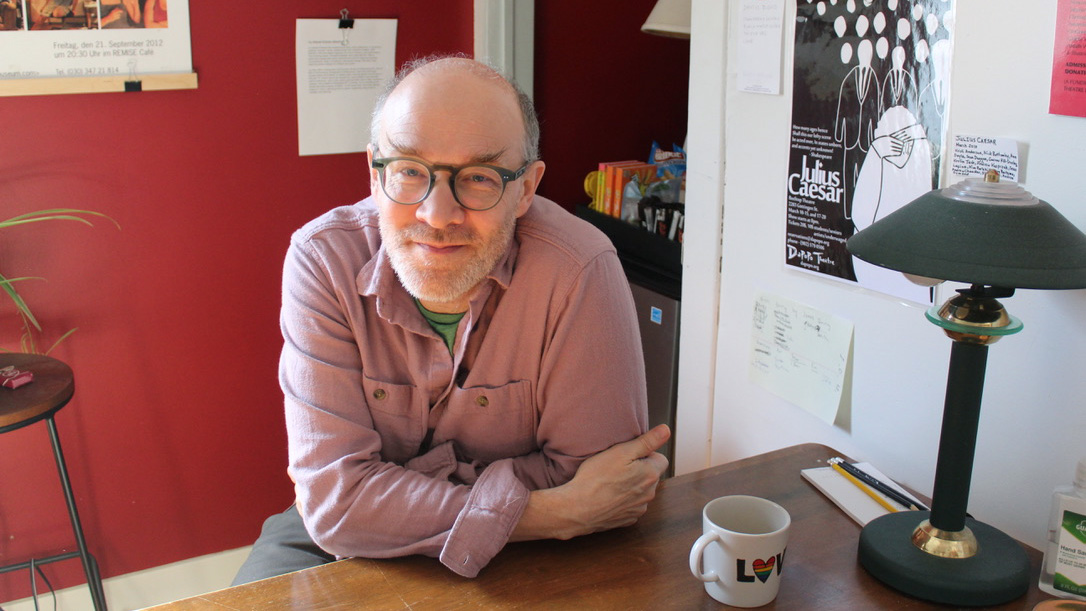
Halifax actor and director Garry Williams, founder of the DaPoPo Theatre company, told The Signal the entire arts community has been feeling the impact of the budget cuts.
caption
Garry Williams, the founder of DaPoPo Theatre, says he is concerned about provincial cuts to arts and culture.“In the last few weeks, we’ve had to interrupt a grant application process because the program for which we were applying no longer exists,” he said. “It feels immeasurable and irreparable.”
Research indicates theatre has positive psychological effects on performers. Thalia Goldstein, lead researcher and associate professor at George Mason University in Virginia, says theatre can help children and teenagers with emotional control, confidence, empathy, communication and collaboration.
“It’s important that kids always have an opportunity to try all different kinds of art forms and all different kinds of topics,” Goldstein said in an interview. “There are things you learn in math class that you don’t learn in theatre class, and there are things you learn in theatre class that you don’t learn in math.”
Goldstein said the impact of theatre goes beyond the classroom. For young people who take the stage, theatre is a place to create bonds and community, she said.
“Theatre is described by people who do it as a safe space to express themselves,” she said. “When we lose theatre, for the kids who are really into it, and the kids who really love it, we lose that safe space.”
caption
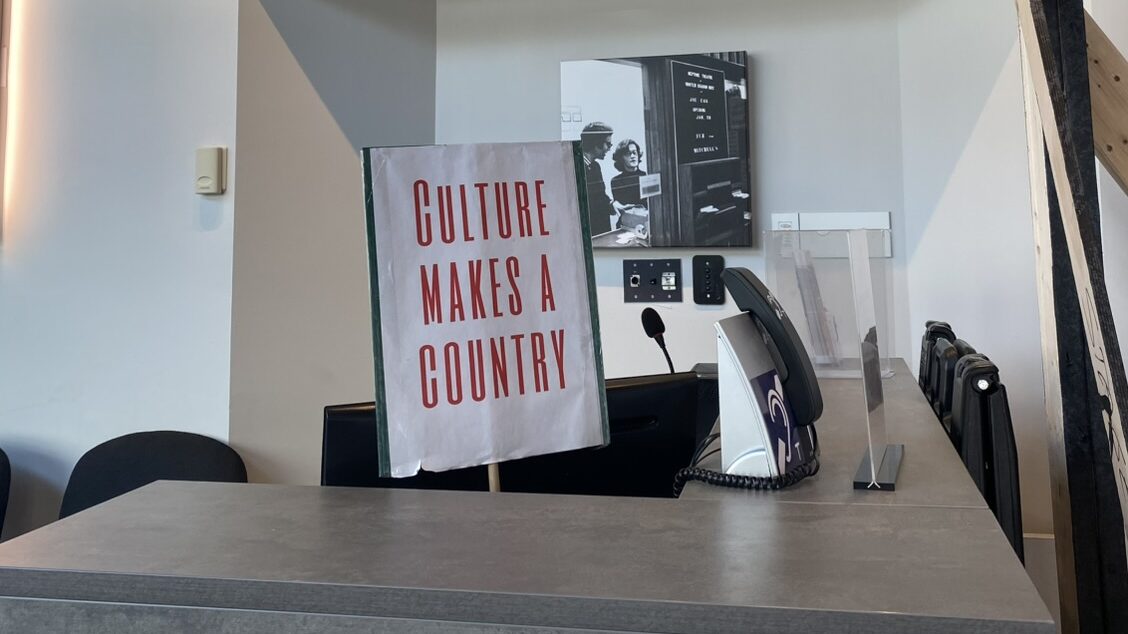
A poster displayed at the Neptune Theatre in Halifax. The poster was used during an arts and culture rally by the theatre’s youth program on March 3, 2026, protesting the Nova Scotia government’s cuts to the arts and culture budget.Rowan White, an actor and administrator for youth programming at Halifax Theatre for Young People, spoke of gaining empathy and confidence from working in the arts.
“I am someone who has struggled a long time with my mental health,” said White. “Being able to have a creative outlet that also gives back to the community is really self-sustaining for my identity in my place in my community.”
In a statement to The Signal, the Nova Scotia culture department wrote that arts are important for communities across the province and that organizations will be able to adapt and continue to offer their programs.
“While funding has been reduced this year, total arts and culture funding remains over $66 million,” the department wrote. “We recognize these changes will be more challenging for some. Organizations affected by grant reductions were notified on Feb. 23, and the department is in contact with those organizations to understand their circumstances and discuss next steps.”
About the author

Mariana Luz
Mari is a second year journalism student at the University of King's College. They're a writer for the Dalhousie Gazette and host a weekly radio...

Leave a Reply