
HRM crisis response team on track with service expansion
Since starting in 2025, round-the-clock operation 'was always part of the plan'
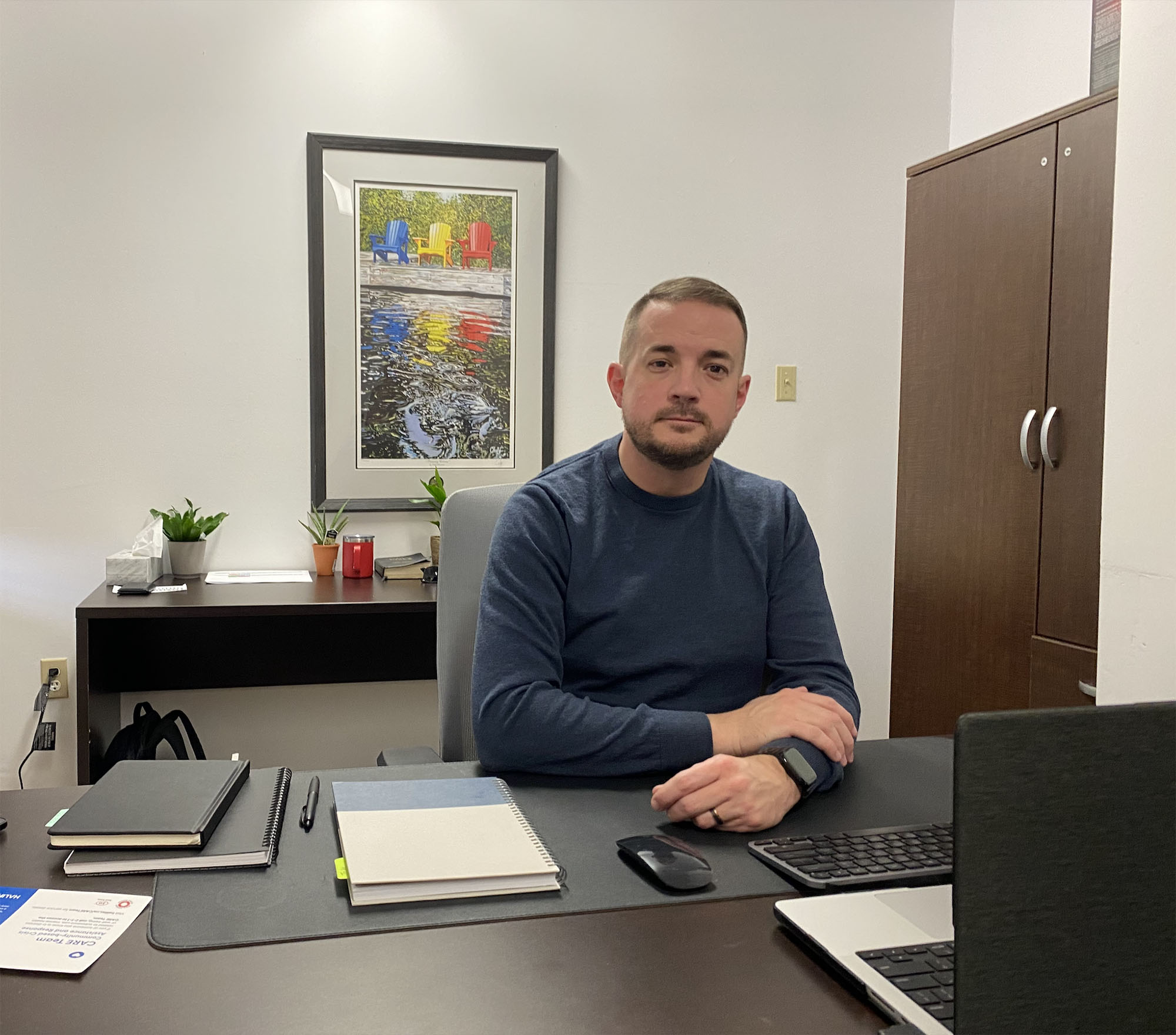
caption
Matthew Reid is the director of Soul's Harbour's mobile ministries.A pilot program that responds to crisis calls is already busier since expanding its hours to round-the-clock service.
On Jan. 19, the crisis assistance response team operating out of Souls Harbour Rescue Mission’s mobile unit moved their service hours from 8 a.m.-9 p.m. on weekdays to all day, every day.
Matthew Reid, the head of Souls Harbour’s mobile unit in Dartmouth, told The Signal that staff have adjusted to the new hours well and that the 24-7 model was part of their onboarding plan.
“They were anticipating going for the transition,” Reid said.
With oversight from HRM’s community safety team, the project aims to take police involvement out of non-violent community issues.
“We already had a relationship with the city,” he said, having worked with the municipality to help unhoused Haligonians.
“When the opportunity came … they approached us and asked if we would take part in the pilot.”
The team responds to calls screened through Nova Scotia’s 211 number, a call and text service that responds to non-emergency distress situations such as food insecurity or mental health and addictions issues.
“Like any good pilot, we started soft and slow, and we’re getting to our goals,” Reid said.
The crisis team follows similar models from Edmonton’s crisis diversion team and Ottawa’s alternative neighbourhood crisis response, or ANCHOR, to see what went well, and avoid what didn’t. ANCHOR, for example, only serves people 16 and older. Edmonton’s team still struggles to provide emergency shelter and financial supports, according to their website.
“There’s always challenges that are lurking around the corner waiting to pop out,” Reid said. We meet weekly with the city and 211 partners, so before they become anything big, we’re all ready to move on with it.”
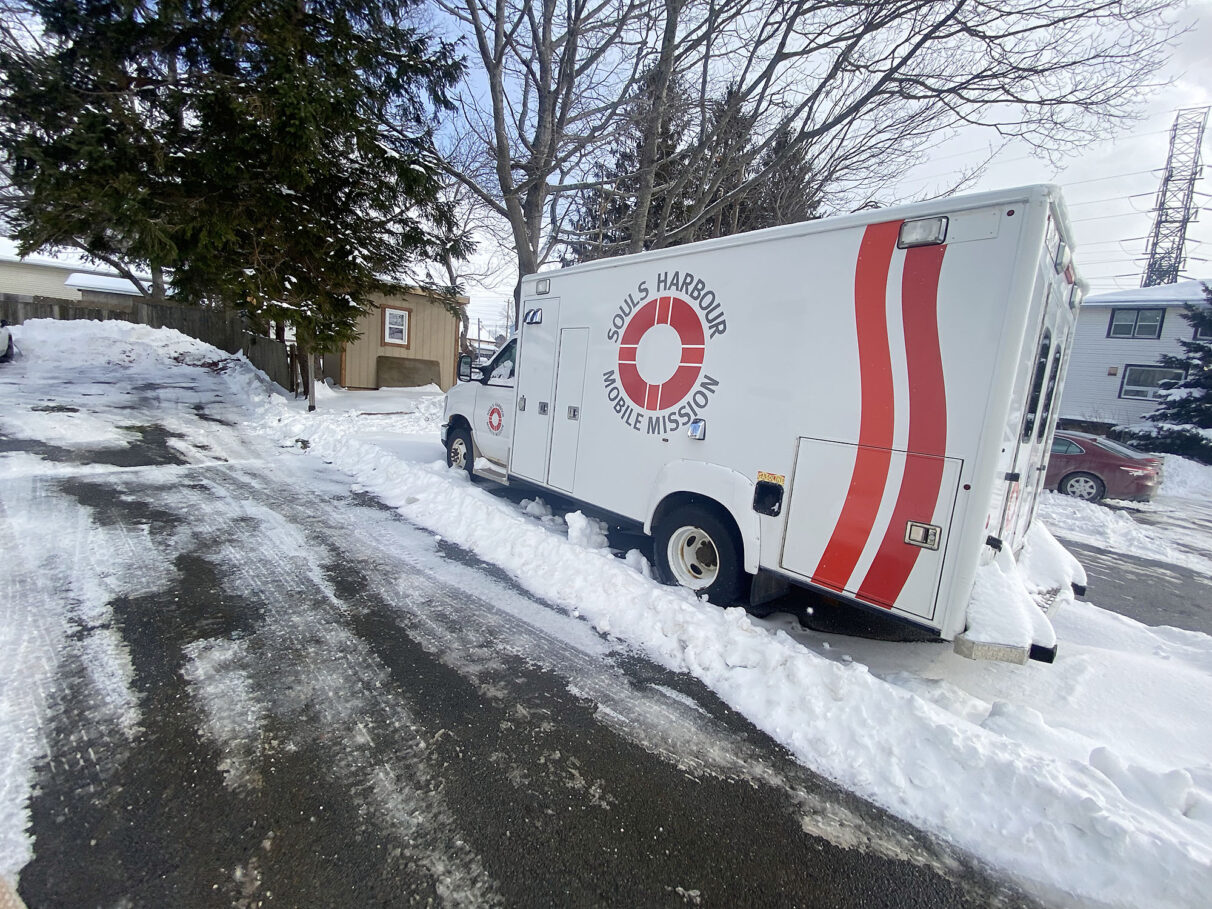
caption
Soul’s Harbour’s mobile mission vehicle is parked at Dartmouth North Christian Food Bank.DeRico Symonds, director of engagement and communications at the African Nova Scotian Justice Institute, hopes for an expansion of the team’s services, and said the team’s creation was itself a success.
“We’re not going to police our way out of people being in distress,” he said.
Last December, Symonds led the response team through a day of training on anti-Black racism with his company, Ignite Consulting.
The team went through “some of the trauma people may have experienced, whether personally or vicariously through police responding,” he said.
El Jones, an activist and professor at Mount Saint Vincent University, stressed to The Signal the importance of funding and data collection for non-police models of care to be successful.
She said that these programs need good assessments “to make those comparisons so you can see what’s working, what’s not.”
Having been on the subcommittee for Halifax Regional Municipality’s report on defunding the police, Jones is an advocate for alternatives to policing.
“I think when we see what’s happening in the States right now, it’s a reminder, you know, that this is exactly why we need to develop non-policing alternatives,” Jones said.
HRM spokesperson Laura Wright said it’s too early to assess the team’s progress.
“We won’t be sharing any data on the impact of the new hours for a few months,” she said.
About the author

Jack Wolkove
Jack Wolkove is a second-year journalism student at University of King's College.

Leave a Reply