
Green burials: old methods a new option for funerals
Natural burials, death cafés provide another approach to tradition
caption
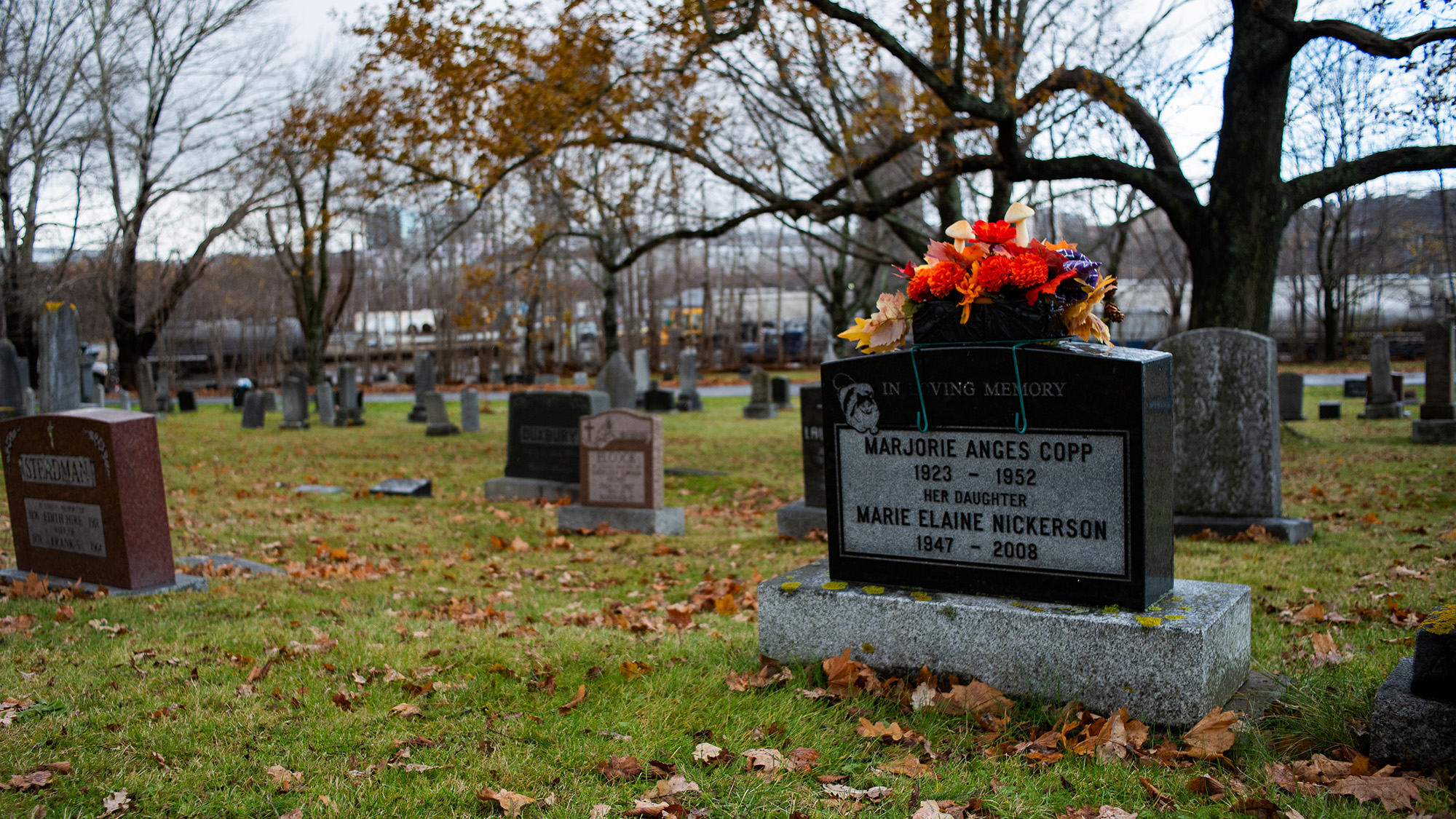
Fairview Lawn cemetery is one of two public cemeteries in HRM that still have plots available.
A growing movement is working to change our attitudes toward death and dying, and offering alternatives to traditional funeral arrangements.
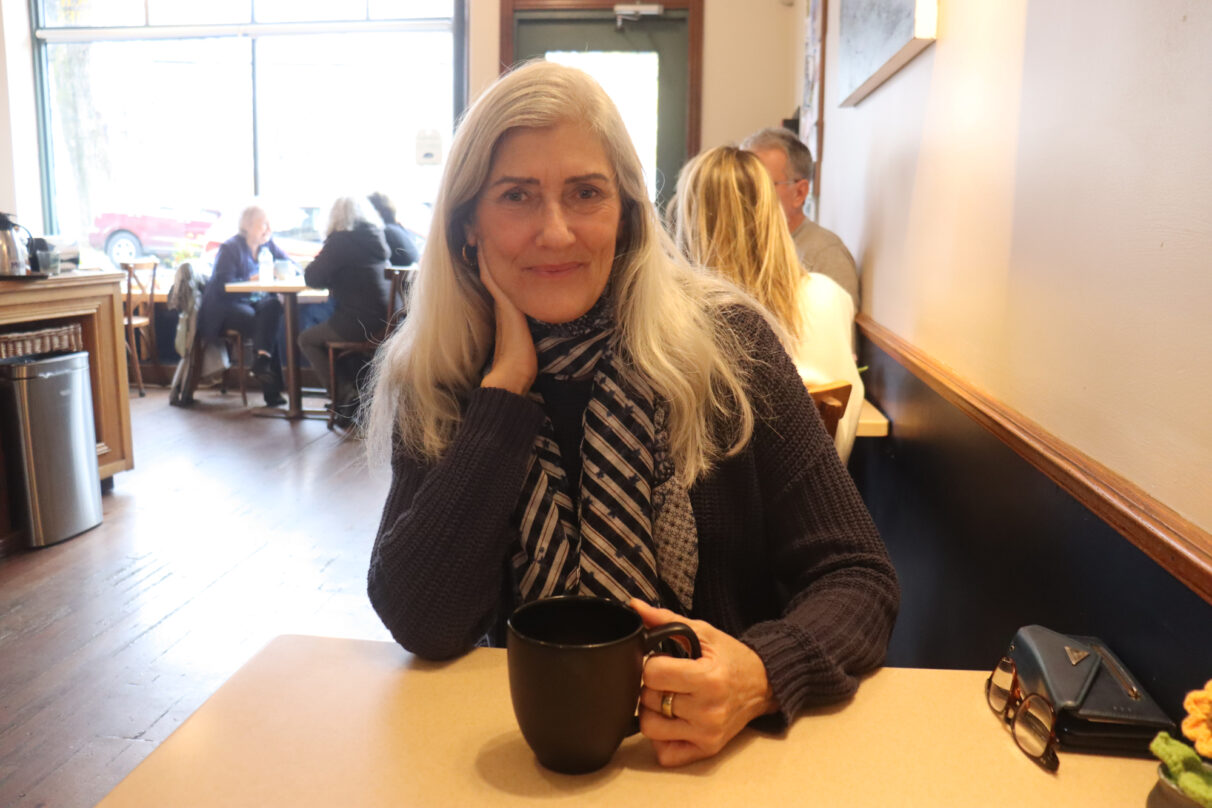
“You may or may not buy a hat in your life, but you will definitely die,” said Dawn Carson over coffee at Lucy’s Hydrostone Café in Halifax.
caption
Dawn Carson is a death doula with Death Matters and a founding member of the Green Burial Society of Nova Scotia.Carson is a founding member of the Green Burial Society of Nova Scotia, and a death doula at Death Matters, which offers end-of-life care, funerals and green burials. She’s part of a growing network of people in Nova Scotia who want to change how we think about death.
“It’s such a death-phobic culture. We don’t talk about it very much and therefore we don’t think about it very much and therefore we don’t know very much about it,” she said.
Carson said that because we are so afraid to confront our mortality, many people don’t think about what happens to our bodies after we’re gone — leaving many to choose traditional burial processes like cremation or embalming, both of which can have negative environmental impacts due to carbon emissions and the chemicals used in embalming.
But Carson and others in the province are trying to change the assumption that these are the only options.
Natural burials: the ‘old’ way to go
Carson and others are proponents of green burial (also known as natural burial) which is conducted without chemicals or fossil fuels.
“Natural burial is nothing new… it’s actually a really old thing. It’s what we always used to do,” said Louisa Horne, founder of Epilog, a business on Quinpool Road that supports people seeking natural burial.
“We bury a body as it is, without adding any chemicals, without embalming, and in a container,” she said. “It could be a casket, or it could be a shroud that is biodegradable. And it’s as simple as that.”
Natural burial still allows for a wake or viewing, because bodies can be kept cold with ice packs until a funeral service is performed. And bodies buried naturally are often placed at a shallower depth than modern graves.
“Contemporary burial is designed to prevent decomposition, so we go deep into the anaerobic area. We use caskets that don’t let water in. We embalm to preserve the body. We do everything to prevent decomposition. In natural burial, we do everything to promote decomposition,” said Horne.
“I think a lot of people don’t even realize it’s possible, and they may have ideas in their mind that it isn’t something they can do.”
While Carson said cremation is “just not green so far,” she adds that those who choose that option could still use Death Matters’ services such as funeral arrangements, working and end-of-life services.
While natural burial is legal, not all cemeteries allow it. In the Halifax Regional Municipality, there are six public cemeteries with “green plots,” but only two with available space, said Carson. One is Fairview Lawn Cemetery, and the other is Mount Hermon Cemetery in Dartmouth. A conservation burial ground, which is a dedicated space for natural burial, is in progress near St. Margaret’s Bay.
The biggest challenge to the uptake of natural burial is awareness of it. “I think a lot of people don’t even realize it’s possible, and they may have ideas in their mind that it isn’t something they can do,” said Horne.
Funeral companies often don’t provide the option.
“If you say you want a green burial, (big companies will) say no. If you say, I’d like to bury my unembalmed body in a handmade casket at four feet, they’ll say okay. And there you have a green burial,” says Carson.
Talking about death openly
To move away from a death-phobic culture, Carson and Horne say we need to be more comfortable talking about it. One way is through a monthly Death Café at Halifax Public Libraries, where people can gather to talk about grief and dying.
Brian Nelson, who attended November’s Death Café, reflected on the purpose he’s found in attending: “If anything from these death cafés, besides the realization of your own existence in the short time that we have here, is that if you don’t get your affairs in order, you’re going to leave a mess that somebody else is going to have to clear up. And that’s not fair.”
He never knew about green burials until last month’s session.
“(Green burial is) an interesting concept,” he says. “It’s a way to leave a very small footprint” compared to regular burial, which “leaves a big … carbon footprint, by the time somebody makes your titanium casket and lines it with silk and whatever else.”
For Carson, being able to talk openly and think about grief in a more holistic way can allow people to become more comfortable with the inevitable.
“We think grief happens when somebody dies. Well, grief happens all the time. Every time you lose something or have a break up or don’t get the job you wanted, that’s a form of grief.”
Dawn Carson
“We think grief happens when somebody dies. Well, grief happens all the time. Every time you lose something or have a breakup or don’t get the job you wanted, that’s a form of grief,” she said.
“If we could start to relate to grief as something that’s every day and with us all the time, then we won’t be so blindsided when somebody we love leaves.”
“Sure, we’re still going to miss them. We’re still going to be sad about that experience. But if we’ve worked with it before and we understand it, then we’ll have a different texture with it as we go through that with our relatives who are inevitably all going to die.”
Correction:
About the author
Megan Krempa
Megan Krempa is a student in the master of journalism program. She has an undergraduate degree in the history of science & technology from...