
Federal mental health funding to help Nova Scotian athletes
$3.1 million will support mental health and wellness initiatives
caption
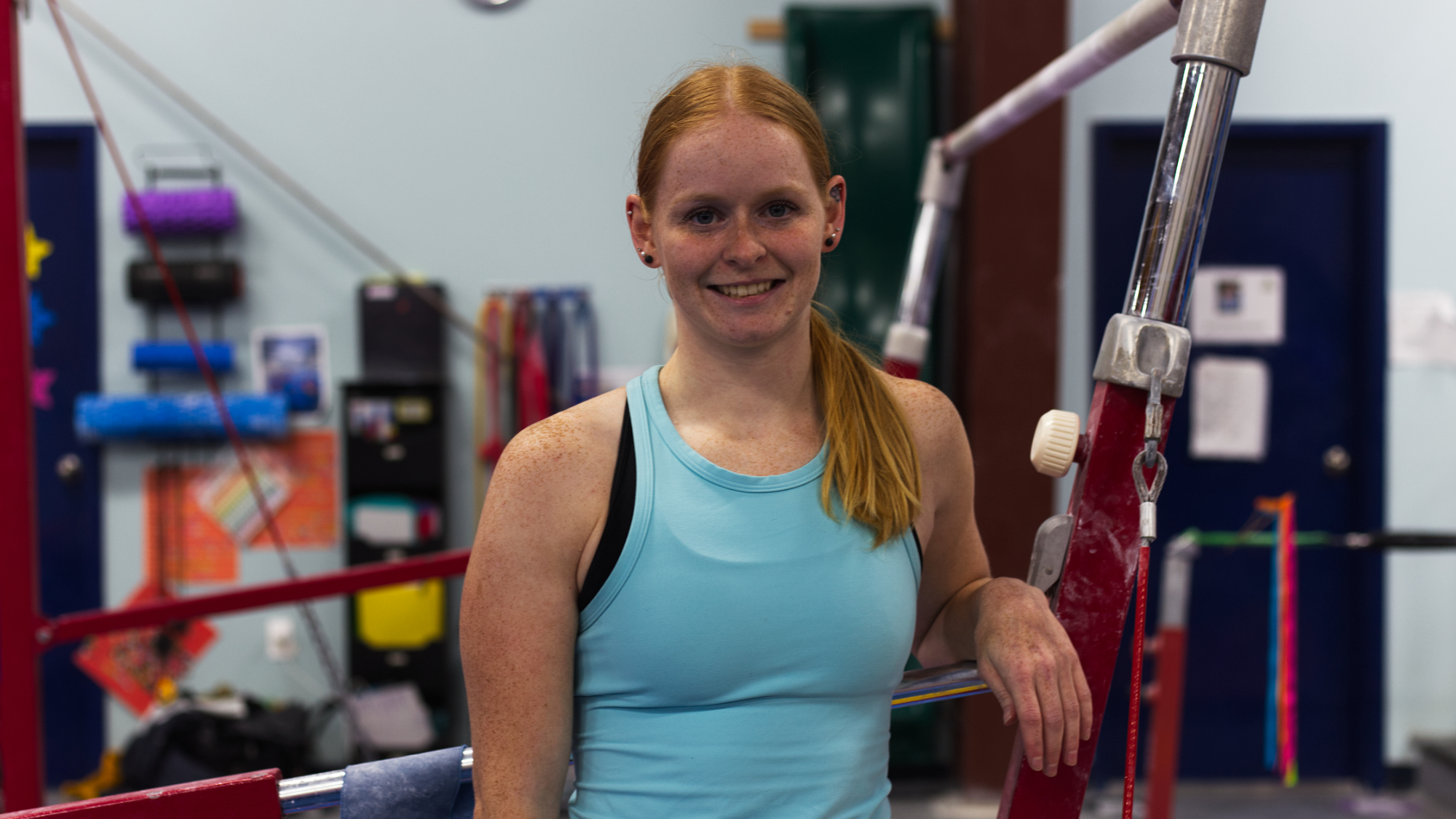
High-performance athletes like Denelle Pedrick are able to receive mental health support with the funding.Federal money from the Department of Canadian Heritage announced in October will support the province’s Olympians and other high-performance athletes.
The $3.1 million will cover mental health care and is earmarked for organizations including the Canadian Olympic and Paralympic Sport Institute Network. Through it, athletes will be able to see psychologists and access other mental health supports and programs that the fund supports.
In Nova Scotia and across Atlantic Canada, high-performance athletes use coaching, sport psychologists and performance sciences through the Canadian Sport Institute Atlantic (CSI Atlantic). The Halifax office is based in the Canada Games Centre on Thomas Raddall Drive.
The institute works with about 220 national team athletes, according to the Institute’s CEO Ken Bagnell.
The funding supported the appointment of Tina Atkinson, who was hired by CSI Atlantic to be chief medical officer.
“It’s not a need for performance, it’s a need for wellness for our athletes who are asked to make a tremendous commitment, often delaying their careers and their families and their lives in order to represent Canada internationally,” said Bagnell. “To not be able to provide that mental health support would be irresponsible.”
caption
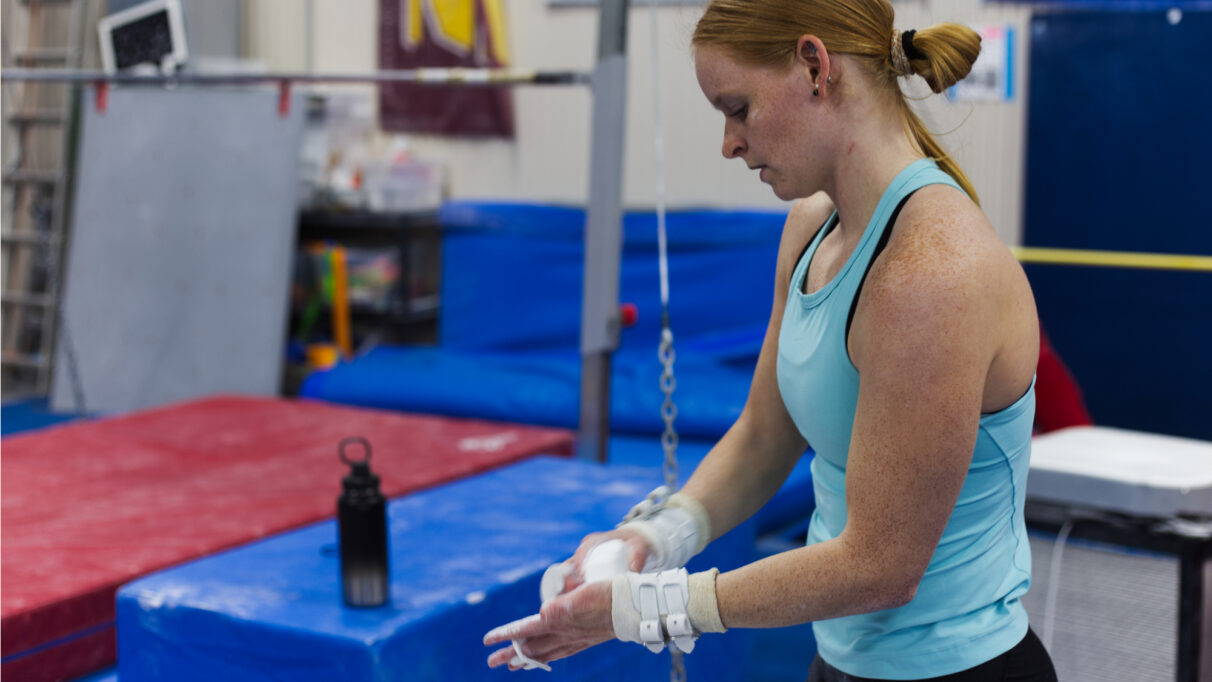
Gymnast Denelle Pedrick said the funding helps offset mental health care costs that she otherwise wouldn’t be able to prioritize.Athletes like Denelle Pedrick, a national team gymnast, have experienced the direct impact of the funding.
“Having the (financial) support to be able to go to mental health supports … is very impactful,” she said.
Pedrick has dealt with several knee injuries that required surgery. Originally from Saskatchewan, she moved to Halifax to train with Olympian Ellie Black and her coach, based at Alta Gymnastics.
She receives funding by being a ‘carded’ athlete with Sport Canada. While national team athletes and other high-performance athletes who are carded are provided stipends to help support their training and offset some living expenses, it isn’t enough to live on.
“We train about 25 hours a week and then we lift weights, (have) our physio appointments … it’s more or less almost a full-time job. So to have to work another job on top of that, it’s a lot of financial stress than many outsiders don’t realize,” she said during practice at Alta.
Pedrick says that in a long list of budget concerns, like rent and food, mental health support may fall to the bottom and would otherwise be cut. With the funding, though, she’s able to get the support she needs without worrying about the cost.
Changing the culture
Kim Bernard, a coach at Alta and a registered national team coach, said the funding allows the culture around mental health to change.
Previously, she said, “The coaches had all the say. (Athletes) were told what to do and how many (reps) to do and when to do it. And if the (athletes) came and said, ‘I’m feeling this,’ it didn’t matter … You have to get it done to be at this level and you just do it. There’s been a lot of abuse in sports because that wasn’t a factor at all.”
Bernard sees the benefits of mental health care even in young athletes who aren’t provided funding for mental health support.
“Those athletes are now starting to go see sports psychologists … It also helps coaches because we’re doing all the technical stuff … and we do try to help with the mental health part of it … but that’s not what we’re trained in.”
“I think that most athletes … could not be at their highest level without that support.”
Kim Bernard
“(The funding) means everything,” Bernard said. “The higher levels (athletes) go, there’s more pressure at competitions and you’re trying to represent yourself, your family, your club, your country. To have the help there, I think that most athletes … could not be at their highest level without that support.”
For Pedrick, the funding brings conversation and positive change.
“It used to be (that visiting) sports psychologists (meant) something was wrong. Now it’s just a regular everyday thing to make sure everything’s in check and preventing mental blocks or negative mindsets from happening,” she said.
“A lot of the young (athletes) coming up (say), ‘This is normal. This is preventative.’ ”
About the author

Megan Krempa
Megan Krempa is a student in the master of journalism program. She has an undergraduate degree in the history of science & technology from...