
Nova Scotia recognizes psychiatric nursing
Change allows for nursing specialty to practise in province
caption
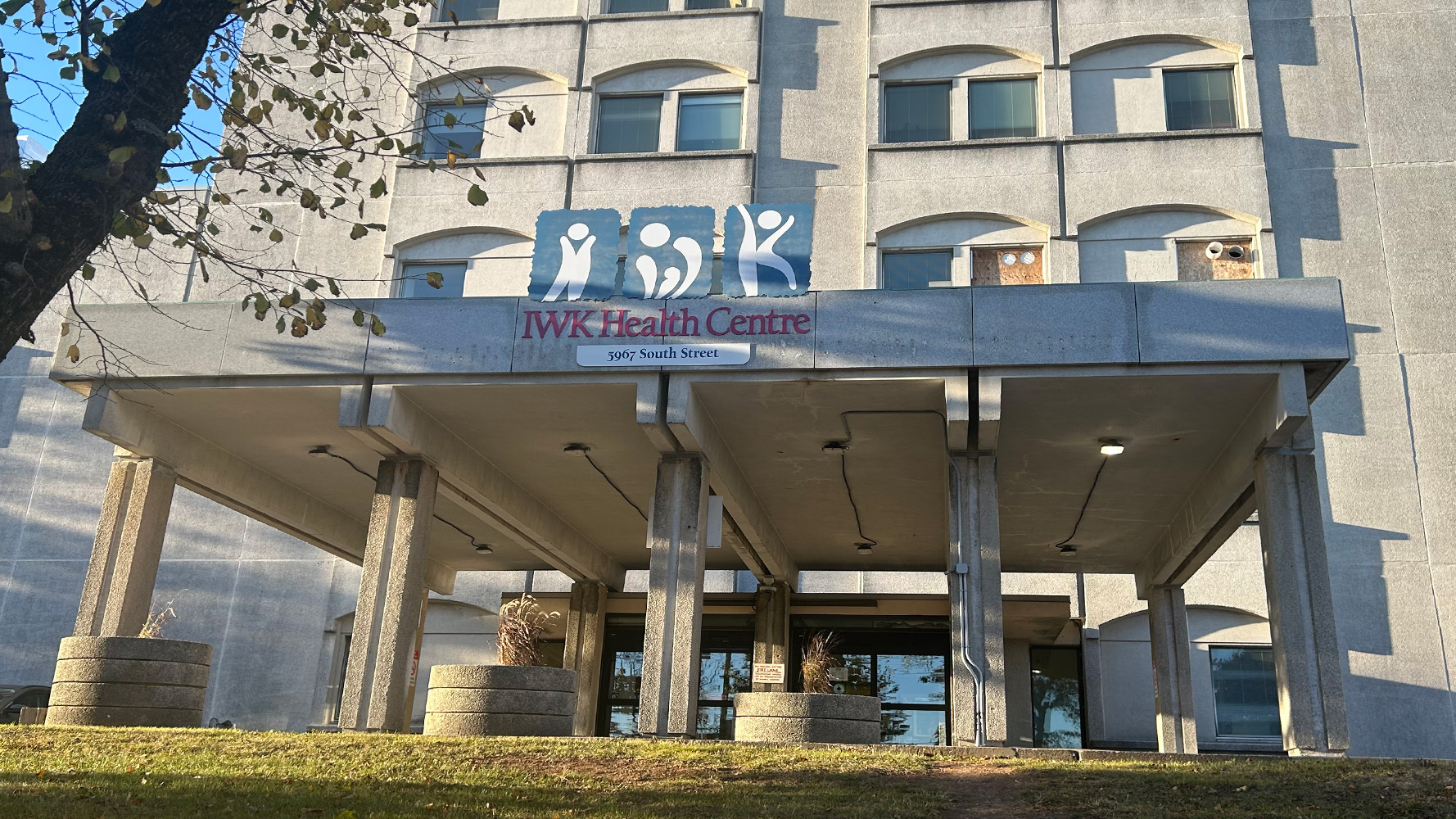
Registered psychiatric nurses will be stationed in various hospitals across Nova Scotia, such as Halifax's IWK Health Centre, as a result of an amendment to the Nursing Act.The province has announced new legislation paving the way for registered psychiatric nurses to work in Nova Scotia.
The Nova Scotia College of Nurses will now license and regulate RPNs. The college did not provide comment in time for publication.
Nova Scotia Health confirmed in a statement sent to The Signal that RPNs can now practise in hospitals, emergency departments and psychiatric inpatient units. Their job will include patient assessment, treatment and follow-up care.
“Adding RPNs to these teams will improve access, reduce pressure on busy areas like emergency departments and help the overall system run more efficiently,” the statement read.
The province’s plan to develop a strategy to improve access to mental health and addiction services is outlined in its 2022-2026 Action for Health plan.
Prior to the amendment, mental health care in hospitals was provided by a multidisciplinary team of registered nurses and mental health professionals, including social workers and psychiatrists.
RPNs are health care professionals with additional training in mental illness and addiction services. Their practice takes a holistic approach to care and assessment, treating patient health as a whole — they consider cognitive and social factors, as well as the symptoms, says the body regulating the specialty, the Registered Psychiatric Nurse Regulators of Canada.
Nova Scotia is now one of 10 provinces and territories that licence and regulate RPNs. Saskatchewan was the first to regulate psychiatric nurses in 1948, partly in response to the nursing shortage that followed the Second World War.
The designation has gradually worked its way across the country to make it easier for RPNs to work in more provinces.
“Their impact has made a difference in those provinces,” said Ruth Martin-Meisner, professor and director of Dalhousie University’s school of nursing.
“We have people who could greatly benefit from registered psychiatric nurses. I think it’s fantastic that we now have them in Nova Scotia.”
A specialized nursing degree is required to receive the RPN designation. The entry-level education draws on the same foundational nursing knowledge as other nurses but includes psychiatric training designed to prepare graduates to practice in mental health and addictions settings.
There are currently eight authorized programs in Canada, but none in Nova Scotia. The closest university offering the baccalaureate is Brandon University in Manitoba.
When asked about Dalhousie’s plans to implement a psychiatric nursing program, Martin-Meisner said, “We haven’t had that conversation.”
She added that Dalhousie’s school of nursing offers a master’s degree in nursing mental health and addiction for registered nurses. She said it may be attractive to RPNs interested in pursuing a graduate degree.
But as for an entry-level program, the Nova Scotia College of Nurses’ website says, “The regulatory framework does not include the development and approval of an RPN education program at this time.”
The standard of care for RPNs is based on the New Entry Level Competencies for Registered Psychiatric Nurses published by the Registered Psychiatric Nurse Regulators of Canada. The updated framework will go into effect on Jan. 1.
About the author

Olivia Nitti
Olivia is in the One-Year Bachelor of Journalism program at the University of King's College.

Leave a Reply