
Parks Canada cuts could affect staff, programming in Nova Scotia
Budget document indicates 13.3 per cent cut in full-time jobs over three years

caption
Georges Island National Historic Site in Halifax gives visitors a spectacular view of the city's harbour.Budget cuts to national historic sites across Nova Scotia could reduce programming and staffing levels for visitors this summer, according to Parks Canada documents.
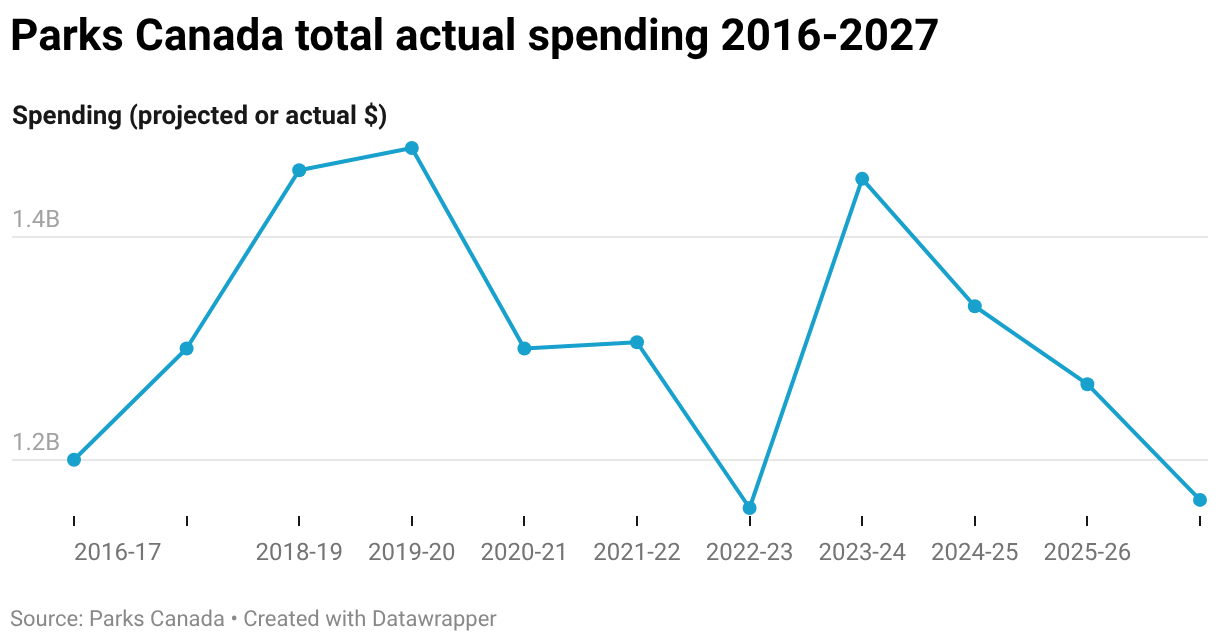
The agency is facing a 15 per cent annual budget reduction until 2027. The cuts, designed to find savings for the federal government, began during the 2024–2025 fiscal year and will amount up to $476.5 million in reduced and expiring funding. Total spending will decrease by 32.5 per cent by 2027-28.
Parks Canada runs many well-visited sites in Nova Scotia, including five National Historic Sites of Canada in Halifax.
These sites include the Halifax Citadel, Georges Island, York Redoubt, Prince of Wales Tower, and Fort McNab, which together make up the Halifax Defence Complex.
Alec Connolly is a long-time Halifax resident who has also worked as an interpreter at the Halifax Citadel for the past four years.
“These sites are critical and symbolic of Halifax’s heritage. I always had a blast going to these sites with my dad growing up, so seeing them receive budget cuts and hearing the potential side effects is really sad,” said Connolly.
As part of the budget cuts, Parks Canada will also decommission its Canadian Register of Historic Places website this spring, which contains around 13,500 listings.
However, Stephen Taylor, a partner and chief technical officer at Shift Media Strategies used artificial intelligence tools to download the data on the old site and rebuild it. Taylor told the CBC that “I felt it would be a tragedy to lose that resource.”
Parks Canada had been seeing a gradual increase in total actual spending before the pandemic and nearly returned to these heights in 2023-24 prior to the budget cuts.
Ron Hallman, president and CEO of Parks Canada, spoke about the incoming budget cuts to Parks Canada in its 2025 budget update.
“I want to be clear that while we can anticipate impacts at Parks Canada because of the reductions announced in Budget 2025, no decisions regarding staff changes have been made at this time and no announcements regarding such changes are imminent,” said Hallman.
“We do not yet have a decision from the government regarding the status of “sunsetting” programs — programs which are anticipated to continue but for which funding renewal levels have not yet been announced by the government. This information, together with the expenditure reductions announced in the recent budget, will be key to determining actual workforce impacts.”
The workforce impacts may affect programming at sites and reduce in-person visitor services. Parks Canada was unable to respond to questions about specific plans for the cuts ahead of The Signal’s publishing deadline.
“It’s unfortunate,” said Connolly. “I’m not fully aware of the reasons but the budget already seems kind of tight to begin with and overstretched. So more cuts won’t help that and puts a lot of pressure on staff to put forth these programs with less money and less employees around.”
In addition, staffing across the country in full-time equivalents will also gradually decrease over the next three years, dropping from 6,030 full-time equivalents in 2026 to 5,285, a drop of 13.3 per cent, by 2027-28.
It’s not clear from the budget document how these cuts would specifically affect Parks Canada sites in Nova Scotia.
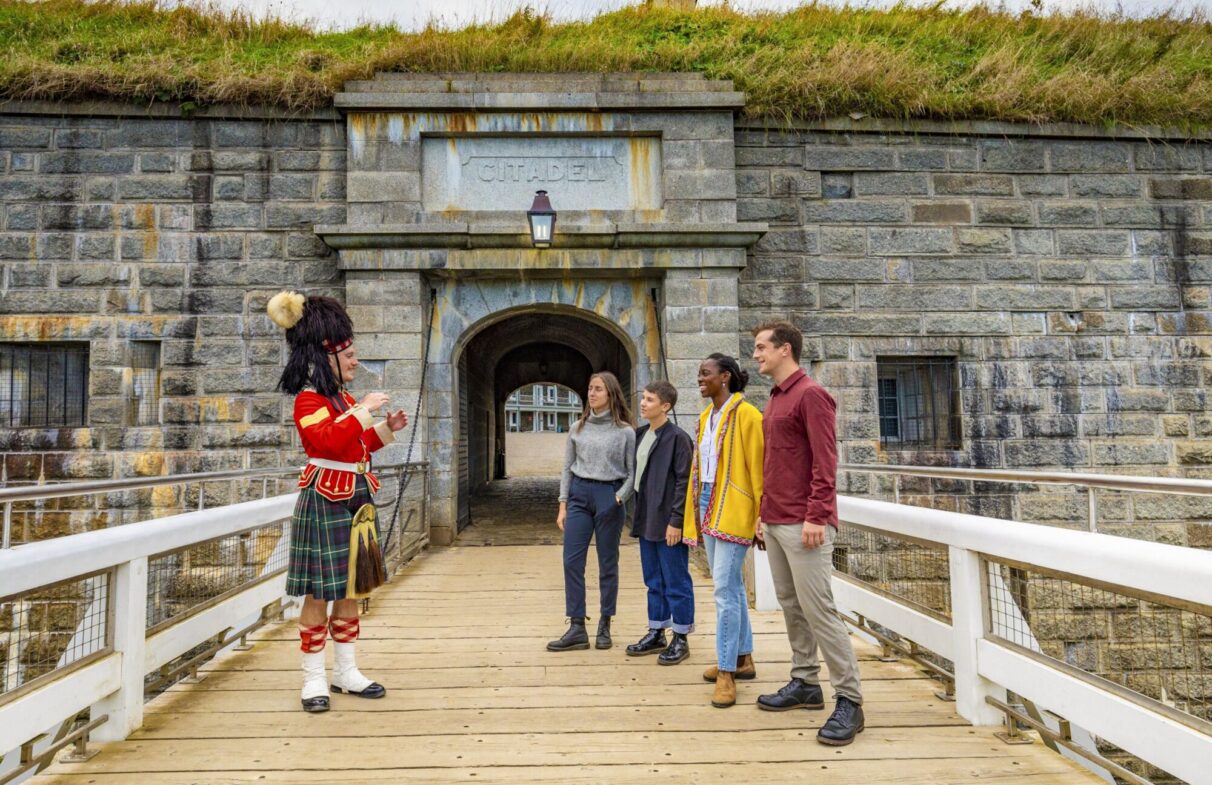
“It’s one thing to go to an empty fort but it’s another to bring that history to life and have people there to show a better picture of what life would have been like hundreds of years ago,” said Connolly.
caption
A historic interpreter gives visitors a tour at the Halifax Citadel national historic site.“The status and popularity of these sites might gradually decline, which is really sad. The more stuff you have happening at these sites, the events, the demonstrations, and the offsite outreach, all goes a long way towards our heritage and learning about our history.”
About the author

Samuel Hodd
Sam is a fourth year journalism student at the University of King's College and Broadcaster for the UKC Blue Devils.
