
Annual spending, debt increased despite surplus, says N.S. auditor general
Kim Adair says growing provincial debt and overbudget spending are cause for concern
caption
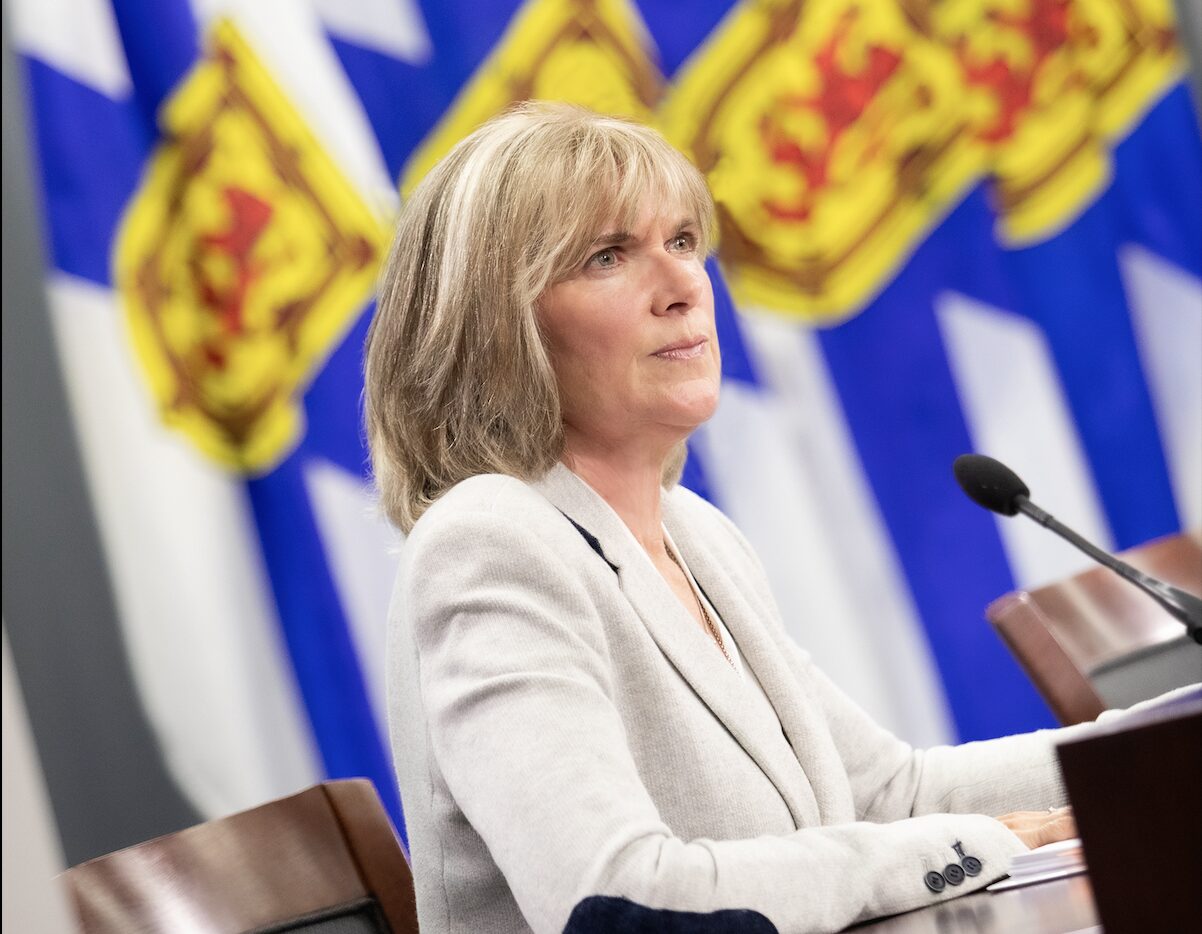
Auditor general Kim Adair says Nova Scotia's debt continues to increase despite recent budget surpluses.Annual spending in Nova Scotia is now $18 billion, up 43 per cent since 2021, growing steadily over the past four years, as outlined in auditor general Kim Adair’s 2025 financial report.
Despite a reported budget surplus in 2025 of $265 million, Nova Scotia’s net debt is also increasing, rising by $1.7 billion in the last year. By the end of 2025, the province’s total debt amounted to $20.8 billion.
Capital investments in multiple health facility projects were a major component of the $1.7 billion increase in debt, as noted in the 2025 financial report’s news release.
Overbudget spending has increased in recent years with a total of $6.7 billion since 2020. Overbudget spending means money spent over the approved budget amount requested from the executive council, according to the financial audit.
Adair says that this presents a problem, as there is no opportunity to debate how such large amounts of public funds are being spent. She also points to a lack of transparency regarding where the money is going.
Recommendations from the auditor general to improve accountability and transparency remain unaddressed since 2022, she said.
“I am asking the province once again to improve public accountability for over-budget spending that is not approved by the legislature,” said Adair.
Nova Scotia is headed towards an unsustainable path, as a number of financial indicators are “trending unfavourably” and are “of concern from a sustainability perspective,” said Adair.
Adding to the concern, the government has been spending surplus revenue rather than applying it to the growing debt, she said.
“A trend of increased net debt weakens a government’s financial position because more of its future revenues will be needed to pay its past debts.”
Having almost 10 per cent of the government budget spent without having the legislature is “really concerning,” says NDP MLA Lisa Lachance. “Every government dollar is a choice.”

caption
NDP MLA Lisa Lachance speaks to reporters after Tuesday’s release of the auditor general’s report on the state of the province’s finances.Moreover, Nova Scotia’s annual health-care operating expenses were $7.7 billion in 2024-25, an increase of $2.4 billion over the last five years, the report said.
Yet, wait times at the emergency room are increasing, and the ability to get a family doctor remains difficult, said Liberal MLA Iain Rankin.
Nova Scotia Health reported 153,373 people on the Need a Family Practice Registry in 2024. This is up nearly 10 per cent since 2021, according to CBC.
“To spend 50 per cent more of the budget, ask Nova Scotians if they’re getting 50 per cent better service, and I think the answer is pretty clear,” said Rankin.

caption
Liberal MLA Iain Rankin said the province may be spending more money but the government is not getting better outcomes.“Spending more and more money doesn’t necessarily mean a better outcome,” says Rankin.
The province has cut large revenue sources in some places. For example, tolls on Halifax’s two harbour bridges were removed early in 2025, eliminating $24-37 million in annual revenue. Adair said this presents a concern since future capital and operating expenses have averaged to $29 million a year for the past five years.
“We need to make sure that we have the best accountability and clarity so that Nova Scotians can really understand how the government is spending their money,” said Lachance.
About the author

Sarah El-Chaar
Sarah is in the One-Year Bachelor of Journalism program at the University of King's College. She has an undergraduate degree in Criminology and...
