
Canadian influencers find online audiences
caption
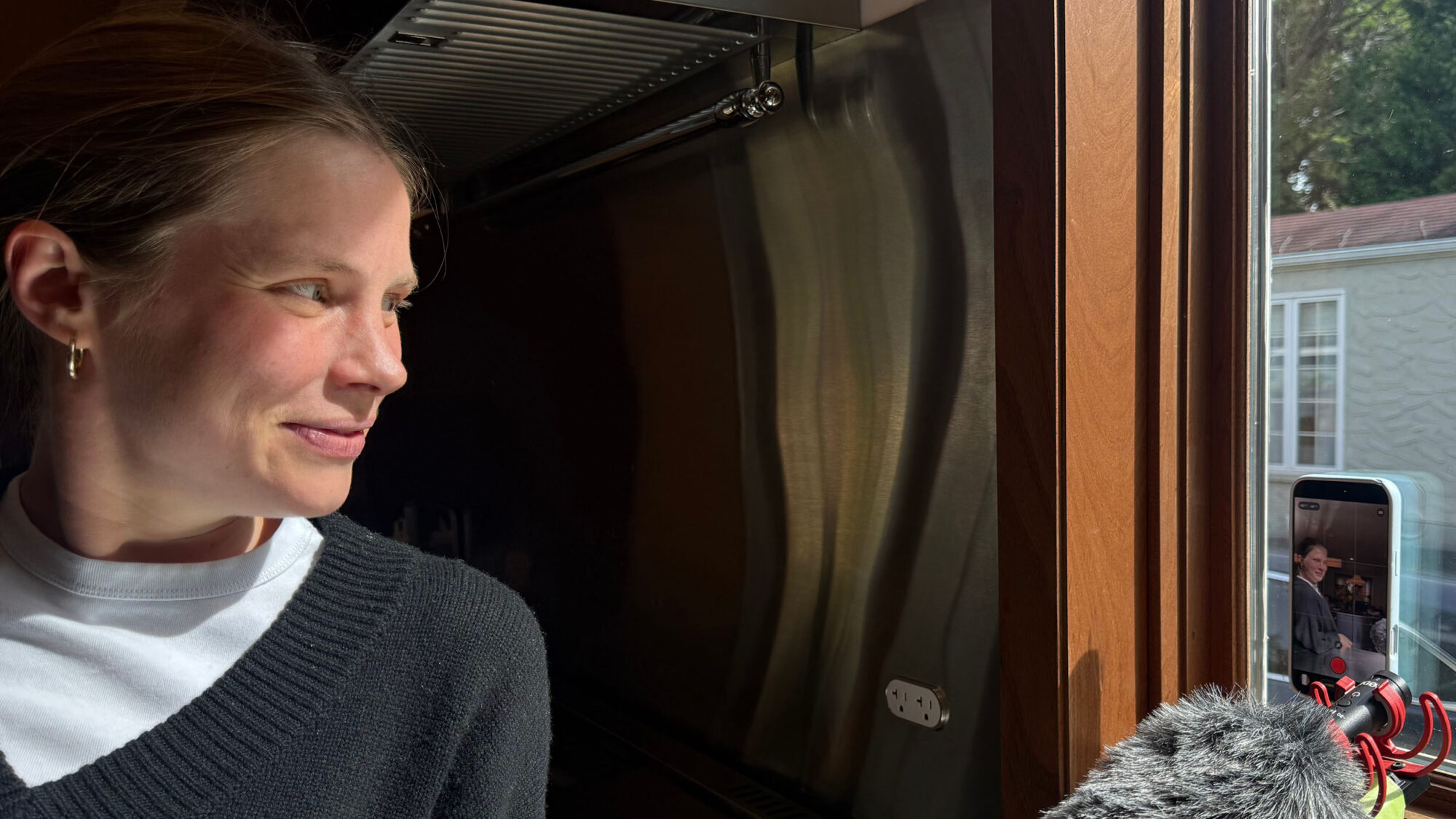
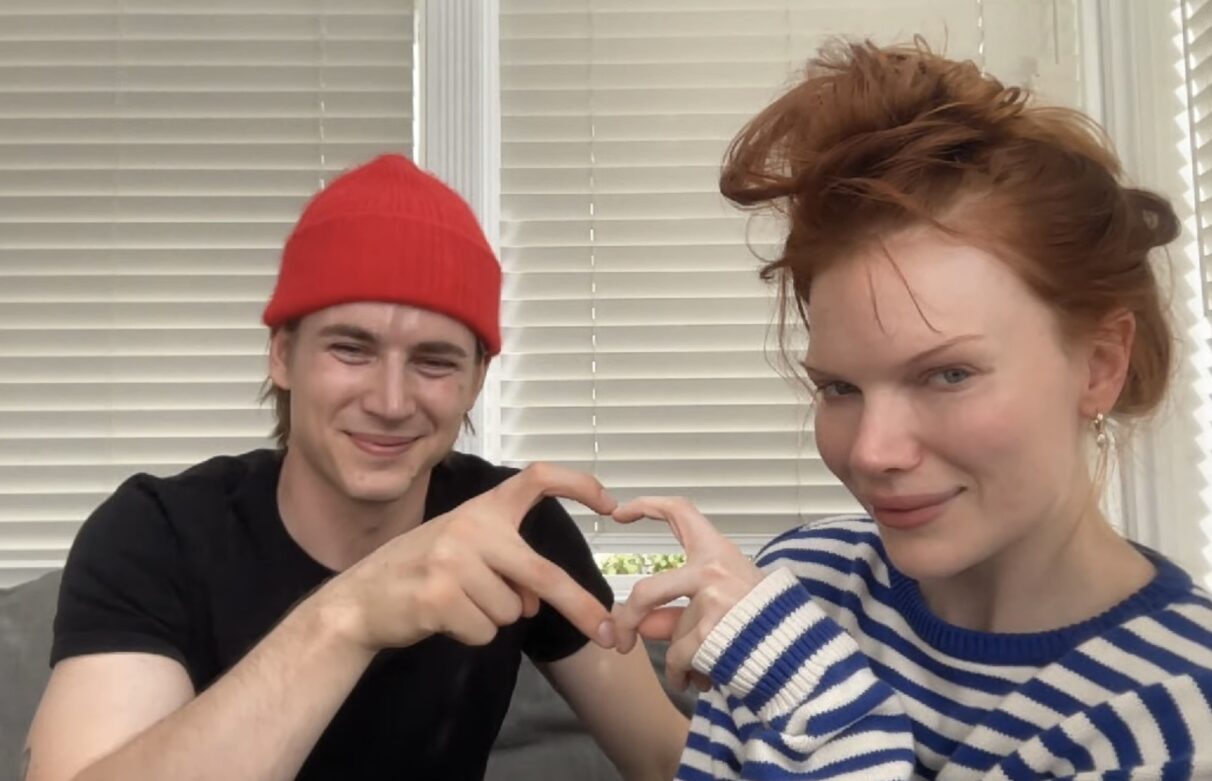
Content creator Tess Madalyn Gigone poses beside her filming setup in her Ontario home.Levi Coralynn sat slightly forward on a couch beside her husband, William Cowherd, with a window behind them in their Calgary home.
As Cowherd talked during an interview with The Signal, Coralynn looked back at him. They laughed and played off each other’s answers, relaxed and in sync. Then they started talking about work.
For some young Canadians, posting online as what has become known as a content creator has become a full-time career.
But behind videos that appear effortless are hours of filming and editing, brand negotiations, unpredictable income, and pressure to keep an audience interested. A 30-second cooking video can start with four hours of footage to be edited down.
One of the advantages of the job, the freedom to work for yourself, also comes with challenges. Some creators miss the social connections of a traditional workplace. Others struggle to take time off or decide how much of their personal lives to share.
Making a living as an influencer can mean turning your everyday life into a business.
“They see the 30-second video; they don’t see the four-hour footage that I had to take and make into something,” Coralynn said during a virtual interview in early October.
Coralynn has 2.7 million followers on TikTok (@levi_coralynn) and 1.2 million on Instagram (@levicoralynn). She creates lifestyle content, while Cowherd has built his own following of 1.3 million on TikTok (@williamconrad_) and 752,000 on Instagram (@willyum_conrad) through cooking, baking, and homemaking videos.
During the COVID-19 pandemic, Cowherd was cooking elaborate meals for Coralynn. She encouraged him to start posting his own videos, and what began as cooking for his partner became a full-time career for him.
But the work does not stop when the camera is turned off.
The couple develop recipes, buy ingredients, plan partnerships, answer emails, and keep the books.
“Most of the time we’re working for free,” Coralynn said.
caption
Content creators Levi Coralynn and William Cowherd pose for a photo during a virtual interview from their Calgary home.They continue posting to keep their audiences interested and show brands what they can create. When a brand does pay, the amount can be significant.
Cowherd declined to disclose how much they earn from brand partnerships but said they have achieved financial stability through their work.
“We’re very financially secure,” Cowherd said.
For Toronto influencer Emily Kosichek, building an audience meant balancing two careers before leaving her corporate job. The 28-year-old fashion and lifestyle creator started posting in late 2020 while working full-time.
Kosichek (@emilykosichek) now has 257,700 followers on TikTok and 98,800 on Instagram.
“I loved both my jobs,” Kosichek said during a virtual interview on Oct. 5. “But I wouldn’t recommend it. It was a lot of work.”
Now a full-time creator, Kosichek has a manager who helps with brand negotiations and contracts. She still develops ideas, communicates with brands and spends hours editing. “I spend a lot more time at my computer than people would think,” she said.
Kosichek said that before taking time away to travel, she generally charged brands between $4,500 and $7,000 for a sponsored video, depending on the work involved.
But a $7,000 video does not guarantee another paid partnership the following week.
“That sense of stability does not exist in this job,” Kosichek said.
Coralynn and Cowherd described similar uncertainty, with busy months followed by “dry spells of months on end of no work.”
“The best thing is the freedom, and then the worst thing is also the freedom,” Coralynn said.
Without a boss or set schedule, there is nobody telling them when the workday is over.
For Kosichek, that freedom comes with another challenge.
“Content creation is very isolating,” she said.
Kosichek lives in Toronto while her family lives in British Columbia. Working for herself allows her to visit them more easily, but she misses having coworkers. There is no office to visit and no group of colleagues around her.
Jane O’Reilly, an associate professor who studies workplace relationships, said working remotely can offer freedom while taking away everyday interactions with colleagues.
“You do get the autonomy and the flexibility, but then you lose out on sort of the social aspects of work,” O’Reilly said during a virtual interview.
For Cowherd’s sister, Tess Madalyn Gigone, the challenge is finding time to work while raising a family.
During an interview, Gigone sat on her young daughter’s bed in her rural Ontario home outside Toronto. Suspended from the ceiling is a pink-and-white checkered canopy. Colourful artwork filled the room.
Gigone, 31, is bubbly and talkative. She is also pregnant with her second child and works full-time creating cooking and lifestyle content.
At the front of the house, a large room is filled with toys. A recently renovated kitchen stretches across the back, providing a space for the cooking videos that have helped build her audience.
Stacks of cookbooks from her publisher sit in the toy room. Gigone is creating a cookbook of her own. The house is both her family home and part of her workplace.
Gigone (@tessmadalyn) has 681,100 followers on TikTok and 143,000 on Instagram. For a year and a half, she posted every day to build her audience.
Her career has grown alongside motherhood.
When she was pregnant with her first child, she worried about losing the audience she had worked to build. Before giving birth, she filmed dozens of videos in advance so she could continue posting while taking six weeks off.
Now pregnant with her second child, her workday looks different.
“Every day I wake up, and I’m mainly mom,” Gigone said.
She fits filming and editing into the time she has available while caring for her daughter. Gigone now has a video editor, but she still needs to be the person in front of the camera.
Gigone said it took her a long time to feel comfortable taking a break from posting. For a while, stepping away made her more anxious than continuing to work.
“At the end of the day, influencing is really magical,” Gigone said. “It is a really glorified, beautiful job.”
However, she said, since influencers are walking advertisements, the moment they stop posting is the moment they stop making money.
Influencing allows her to build a career around her family, but maintaining an audience also means deciding when to work, when to stop and how much of her personal life to share.
In Halifax, Georgia Macdonald, 22, has seen how personal the connection between creators and audiences can become.
The fourth-year Dalhousie University student runs Gourmet Guam, a private Snapchat cooking story with around 200 subscribers.
Despite her small audience, Macdonald said people she rarely speaks to approach her to tell her how much they enjoy her videos. Some even take pictures with her for fun.
“It’s my show. My show is on when you post on your private story,” Macdonald said, repeating what followers have told her.
Macdonald started sharing food content at boarding school and continued at university.
During an in-person interview on Sept. 29, she described how her brother’s girlfriend once sent a painting to an influencer online.
That influencer was Gigone, who later made a video about receiving it.
Someone Macdonald knew had suddenly become part of a video shared with hundreds of thousands of followers.
Research by Brooke Erin Duffy of Cornell University in the United States and Emily Hund, then at the University of Pennsylvania in the United States, explored the pressure to appear authentic online in a 2019 study published in the International Journal of Communication.
The researchers interviewed 25 aspiring and professional Instagram creators in the United States and Canada.
“People don’t want to know robots, they don’t just want to know the screen, they kind of want to know the people behind the screen,” one participant told the researchers.
But showing the person behind the screen can also mean giving up privacy.
For Coralynn and Cowherd, that has become one of the biggest changes in their lives.
“We’ve now lost our anonymity,” Coralynn said.
The couple are recognized in public and approached for photos. Coralynn said they already stand out because of her red hair and Cowherd’s six-foot-three height.
Now, someone can know details about their lives without the couple knowing anything about them.
Roberta Barker, a professor of theatre studies at Dalhousie University and the University of King’s College, studies how people present themselves to others.
Barker said that when someone’s private life becomes part of their public identity, it can become difficult to separate the two.
“People can lose that sense of who am I really,” Barker said.
Cowherd said that separating their public and private lives is “a difficult and delicate line to walk.”
The couple got married and did not tell their audience for a year. Even though their relationship is part of what followers see, they wanted to keep that milestone to themselves.
Kosichek has similar boundaries.
“I signed up to be a creator. The people in my life didn’t sign up for that,” she said.
For Macdonald, turning content creation into a career still “would be a dream.”
For Coralynn, Cowherd, Kosichek and Gigone, it already is one.
Coralynn gets to share that dream with her husband.
“I get to work with my best friend in the whole wide world,” Coralynn said.
“It’s my dream.”
About the author
Zoe Wellings
From Toronto, Zoe is in her fourth year of the BJH program at King’s. Her interests include art, travelling, sports, pop-culture, and music.
Leave a Reply