
Halifax dry bar makes it easier for Nova Scotians to tackle Dry January
Agricola Street mocktail shop offers alcohol-free options as residents partake in sober month
caption
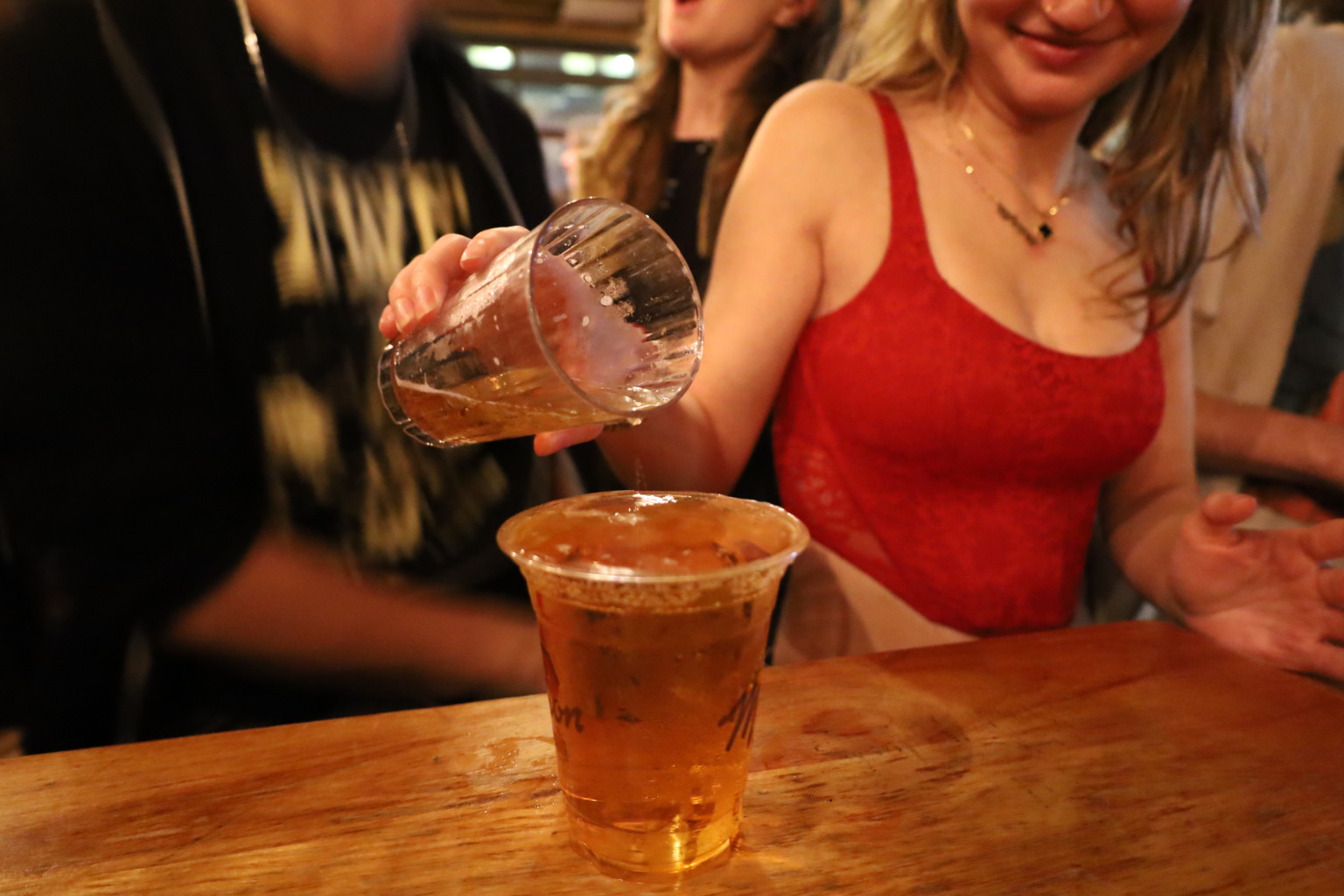
A woman pours a beer at the Split Crow Pub in Halifax, in this 2024 photo. Dry January is now a bit easier to follow, as one Halifax bar offers non-alcoholic beverages.As many Canadians sober up for Dry January, Nova Scotia businesses and residents are rethinking their relationship with alcohol.
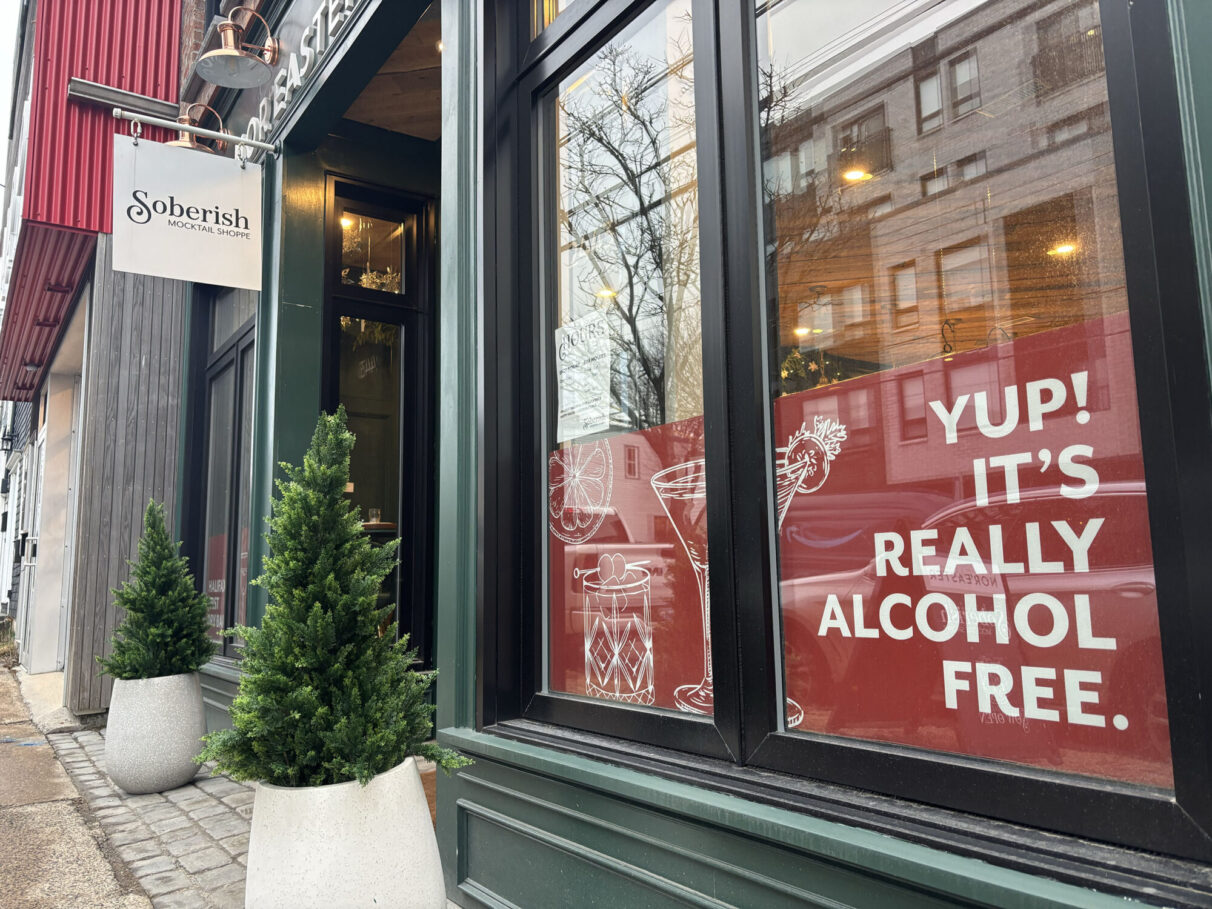
Jay Hiltz, the owner of Soberish Mocktail Shoppe and Dry Bar in Halifax, first opened his business in November 2024 selling non-alcoholic wine, spirits and beer. After repeated customer inquiries, Hiltz added a dry bar inside the shop this past summer, offering made to order mocktails.
“I treat it as, cocktail culture is very alive and well in the alcohol form, and this is making and continuing to keep that cocktail culture accessible to everyone, so that you meet a range of customers,” says Hiltz.
This is the dry bar’s first January, a time where more people are leaning into being alcohol-free. Hiltz says it’s still too early to judge if sales have increased compared to other months, but he predicts it will grow as the month goes on.
caption
Soberish Mocktail Shoppe on Agricola Street in Halifax serves only non-alcoholic drinks to its patrons.The Split Crow Pub, a popular drinking destination in Halifax, says their sales are always down in January.
“I’m not an expert but if I had to guess it probably has to do with, A: lack of funds after the holidays, and B: overdoing it over the holidays,” says owner Mark Galic. “Dry January is a term you hear a bunch.”
According to Statistics Canada, January tends to be the driest month of the year. A recently released study backs that up by pointing out that alcohol sales dropped to under $1.9 billion in January 2024, compared to $3.3 billion in December 2023.
For Margaret Gibney, what was supposed to be one sober month last January became a full year of no drinking in 2025.
“I got to the end of January and then my best friend always does dry February,” says Gibney. “So, I thought, ‘You know what? I’m going to keep it going because I’m doing so well and I was so proud of myself.’ ”
Better sleep habits and more energy are the main things Gibney, 55, noticed when she cut alcohol out.
Health benefits and better productivity is why Éva Medcof, 21, is attempting Dry January this year.
“I’m very busy, and honestly just the feeling of waking up after a hangover — like I just can’t have whole days wasted,” says Medcof.
Canadians cutting down on drinking goes beyond the month of January. Alcohol sales in Canada declined by 3.8 per cent from 2023 to 2024, the biggest decrease recorded since Statistics Canada began tracking alcohol sales in 1949.
Adam Sherk, an alcohol epidemiologist and policy researcher at the Canadian Centre on Substance Use and Addiction, says on average, people who participate in Dry January are more likely to cut down on drinking after the month is over.
“If a participant goes into it with their intent of what they want to get out of Dry January more clear for themselves, I think they’ll have a better chance of success either if they’re doing it just for the month, or if they’re trying to parlay or to use that month as a catalyst to reduce drinking throughout the year,” says Sherk.
About the author

Marielle Godfrey
Marielle is a fourth-year journalism student at the University of King's College. She enjoys beach days, reading, and her golden retriever, Angus.