
‘We’re never really the focus’: queer women criticize lack of representation
TV show Heated Rivalry’s success highlights absence of queer women of colour in mainstream media
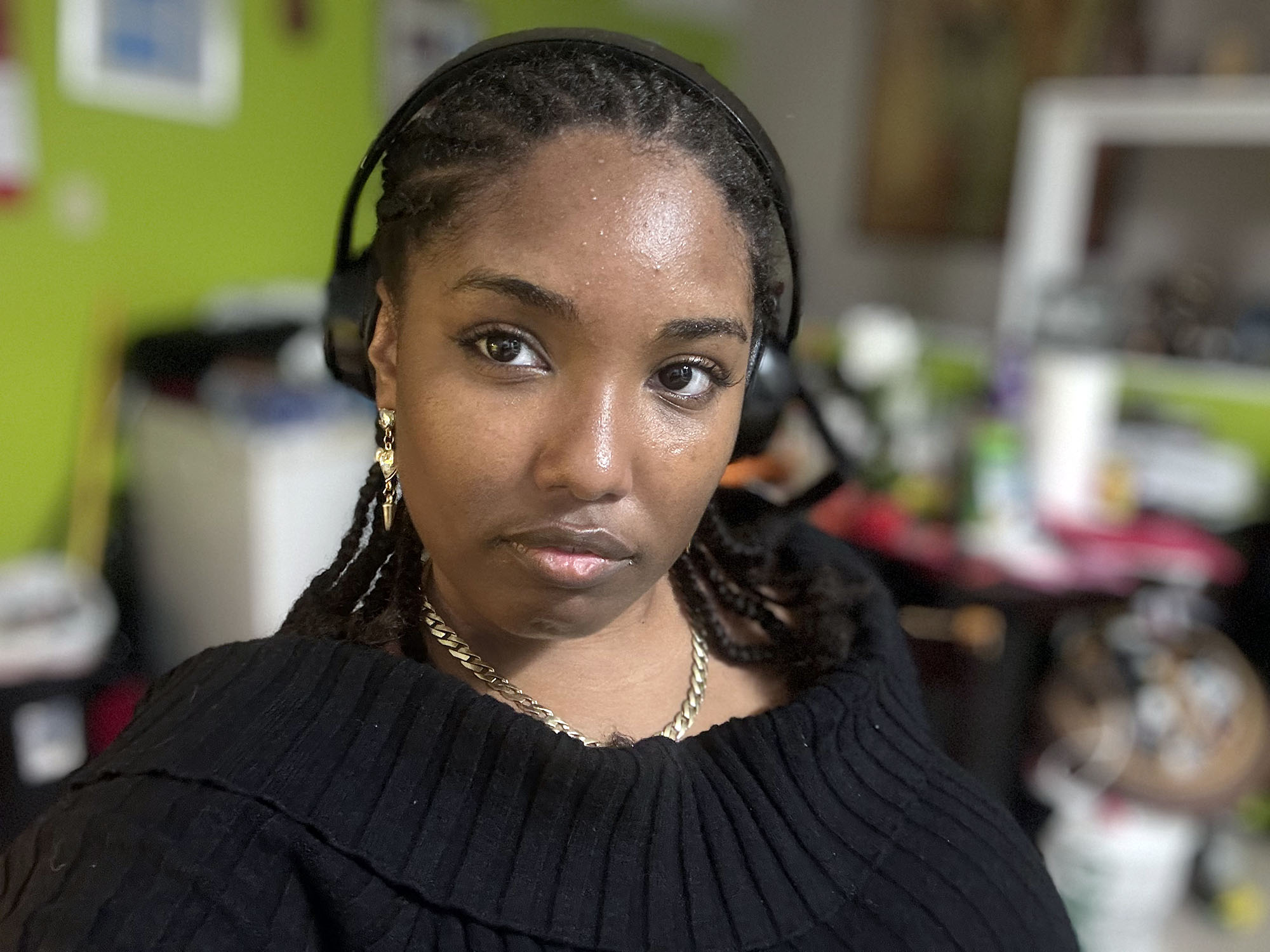
caption
Jaiosha Hum is a Black bisexual woman who spoke about her experience of racism in the queer community.
As the first two episodes of the newly adapted show Heated Rivalry aired in November, fans at home sat with their popcorn, turned on their TV and watched their beloved novel come to life.
Heated Rivalry’s depiction of hockey, ambition and queer love earned the show a 98 per cent rating on Rotten Tomatoes. The show grew in popularity to 10.6 million views, according to Warner Bros. Discovery.
Yet, queer women, especially queer women of colour, didn’t see themselves represented in a show meant to centre queer people.
Instead, Heated Rivalry had the same tropes that people of colour are tired of seeing, Jaiosha Hum, a Black and queer woman, said in an interview. The main trope Hum had an issue with was the prototypical disposable Black girl, or a Black woman who serves as a temporary love interest for the protagonist.
In Heated Rivalry, this trope happens to the character Svetlana Vetrova, played by Ksenia Daniela Kharlamova. Vetrova is the only Black woman in the show.
“We’re never really the focus in a TV show or movie, we’re usually the supporting character,” Hum said.
Several shows where queer women are the focus have been cancelled. A few examples are The Wilds, First Kill, The L Word and I Am Not Okay With This. Meanwhile, shows that centre queer men, such as Heated Rivalry, Young Royals, Heartstopper, Shameless and Love, Victor have either reached a conclusion or not been cancelled.
In some cases, even side characters don’t represent queer women of colour, Hum said. Hum who is dating a trans woman, has never seen that relationship represented in queer media.
“Even in some queer spaces, there is some racism, and I think it’s partially due to people of colour being the minority,” Hum said.
“I’ve gotten questions of ‘Is that your real hair? … You should straighten your hair, you would look so pretty,’ ” Hum said when discussing her interactions with white queer people.
Police reported that hate crimes motivated by sexual orientation increased 69 per cent from 2021 to 2022, according to the government of Canada.
This pattern of hate also affects Jewish queer people. In 2024, there was a 53 per cent increase in antisemitism in Atlantic Canada, according to B’nai Brith of Canada, a foundation that speaks up against racism and antisemitism.
This increase came right after Oct. 7, 2023, when Hamas led an attack on Israel, killing 1,200 people and taking 240 civilians hostage.
Queer Jewish people have experienced harassment, violence and exclusion in queer spaces, according to A Wider Bridge, a non-profit organization that fights antisemitism in the queer community.
“My whole life has been heterosexual, not on purpose, but it just is,” Lisa Gelman, a queer Jewish woman, said in an interview.
Gelman wasn’t bothered by the amount of representation that queer women receive, but pointed out a lack of queer Jewish voices in the media. The lack of a platform for queer Jewish women, not just in fictional media but also in news, points to underrepresentation for the Jewish community as a whole, said Gelman.
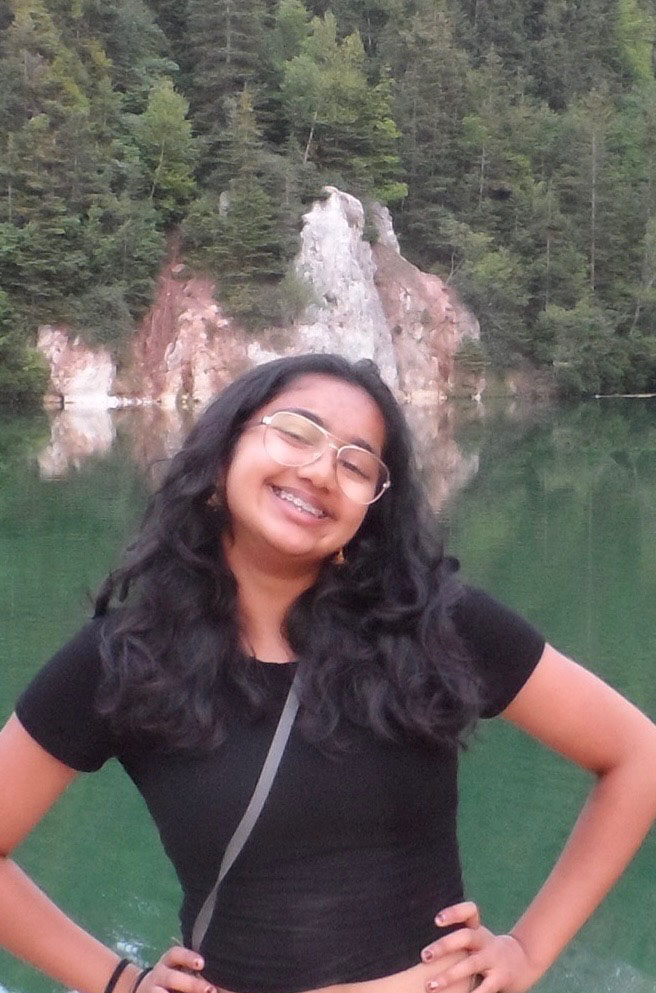
caption
Siya Ajay says oversaturating the market of queer media can lead to stories that represent everyone.The lack of representation for queer women can be frustrating, said Siya Ajay, a queer Indian woman.
With this frustration we sometimes forget to celebrate the queer stories that are already out there, she said.
“I’m really trying to unlearn the thing that it’s like, we are against each other, and we’re actually all a community,” Ajay said.
Representation for queer men is important, but at the same time queer women of colour are not represented to the extent that queer men are, Ajay said. It is impossible for one piece of queer media to do everything at once, but what media can do is produce many different kinds of queer media, Ajay said.
“If you over-saturate the market, variety is a byproduct of that,” Ajay said.
About the author
Samara Levitan
Samara is a second-year journalism student at King's College in Halifax, Nova Scotia. Her work has appeared in publications such as The Watch...

Leave a Reply