
A second life for Star of the Sea Church
A century-old church in Lower Prospect has found new life as a café
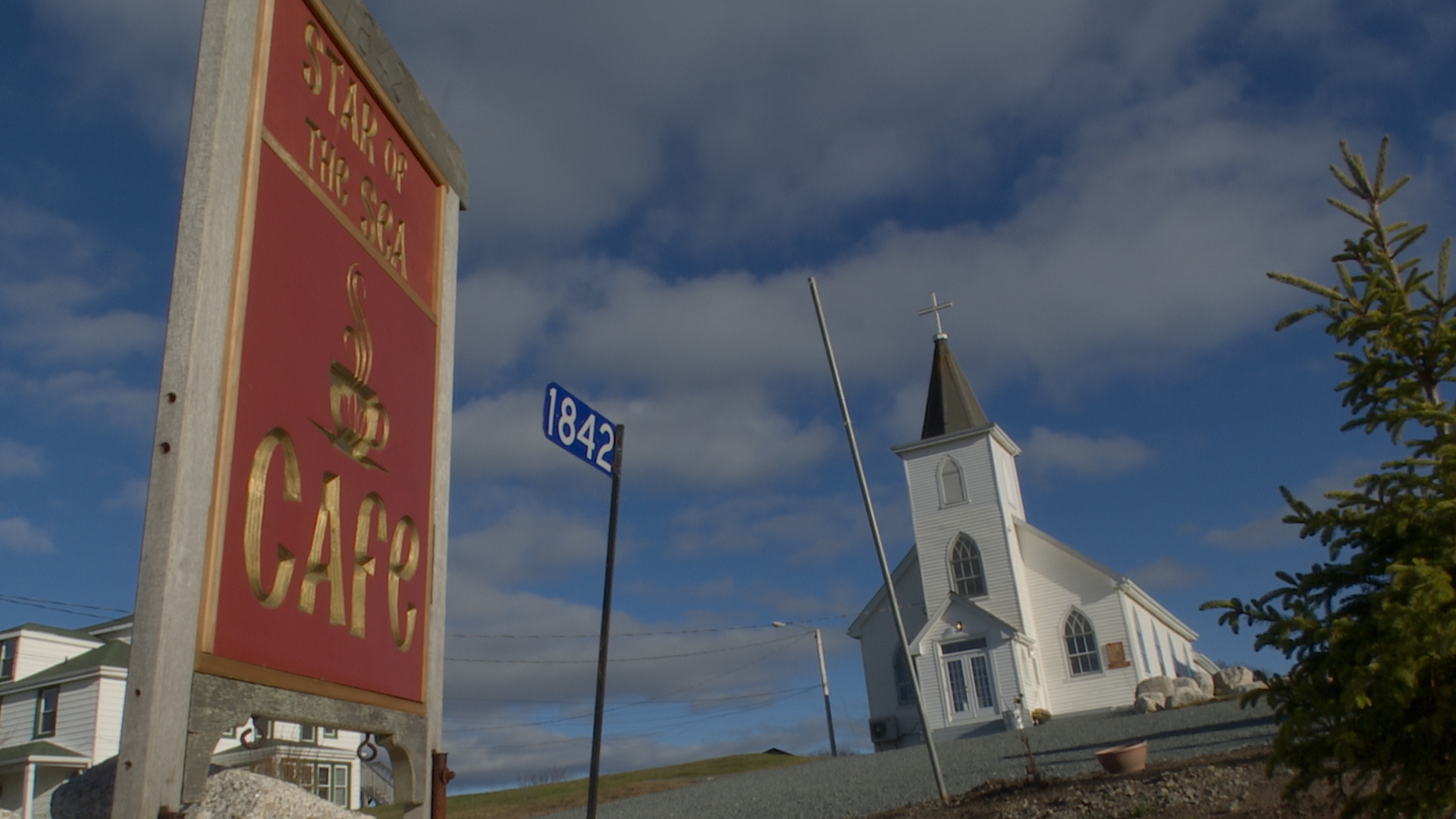
caption
The Star of the Sea Cafe is located at 1842 Lower Prospect Road, in Terence Bay.On a Sunday morning in Lower Prospect, N.S., outside of Halifax, the smell of coffee fills a building that has served the community for more than a century – first as a church, and more recently as a café.
The vaulted ceiling of the Star of the Sea Cafe rises above tables where customers drink coffee, eat and talk. Light filters through the building’s original windows, illuminating the arches and woodwork of what was once Our Lady of Star of the Sea Catholic Church.
For co-owners Colin Walsh and Judy Pelham, the café is more than a new business. It is a new chapter for a building that has long been a gathering place in the coastal community.
Walsh was born in Ireland, and moved to Nova Scotia at 18 before relocating to the United States. He later returned to the province and bought the former church with Pelham, his partner.
He initially bought the building not to establish an eatery, but as a home base for his pipe organ restoration business.
“I needed a space to do my work,” Walsh told The Signal from his shop. “The kind of work that I do, I need a big space.”
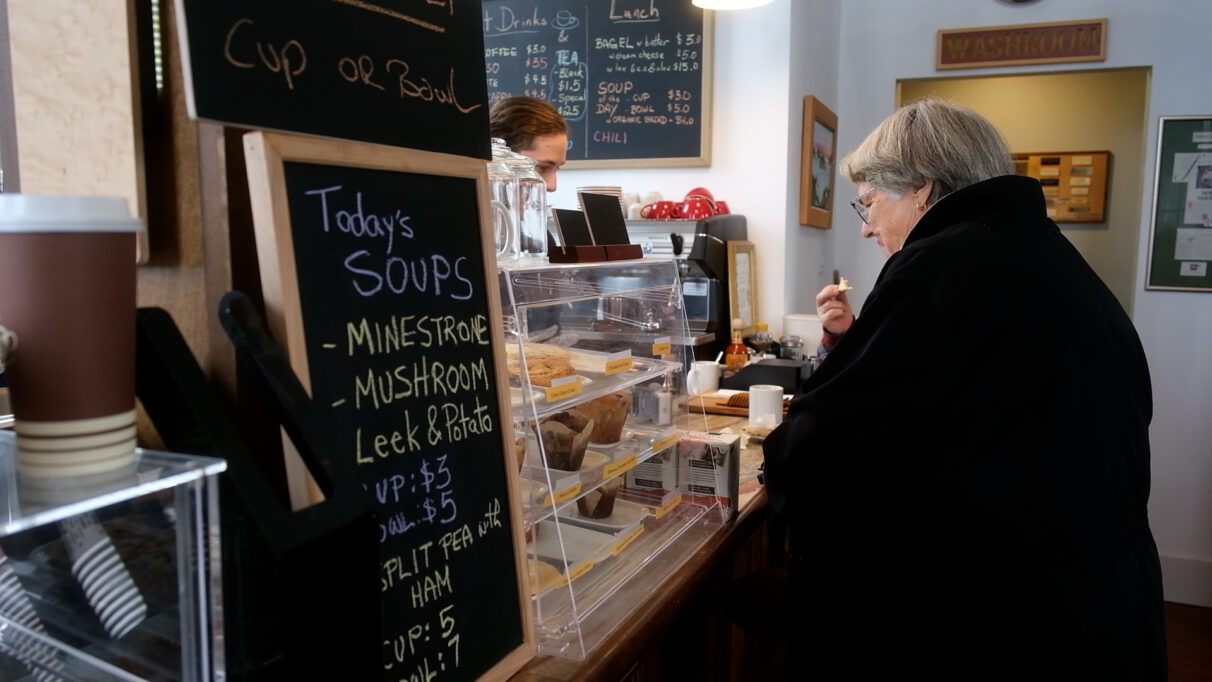
caption
Sisters from the neighboring Sister of Charity convent, now called the Seton Spirituality Centre, visit the cafe regularly.The former church building felt familiar to Walsh for another reason.
“I’ve been around the church my whole life,” he said. “So having a church is kind of natural for me, to be able to have one and be able to turn it into what it was intended to be, which is a community space.”
For years, the church was largely Walsh’s workshop. But as he began thinking about reducing his workload, the idea of turning part of the building into a café began to take shape.
“I enjoy cooking, I enjoy people,” he said. “And I enjoy being able to do something.”
Pelham said the idea had also grown from their experience living in the area during the COVID-19 pandemic, when opportunities to meet neighbours were limited. She noticed there was nowhere nearby for people to gather outside of their homes.
Around 2022, the couple began discussing the idea of dividing the church building and creating a café in the front portion. It would take several more years – and plenty of permits, inspections and renovations – before the doors finally opened in October 2026.
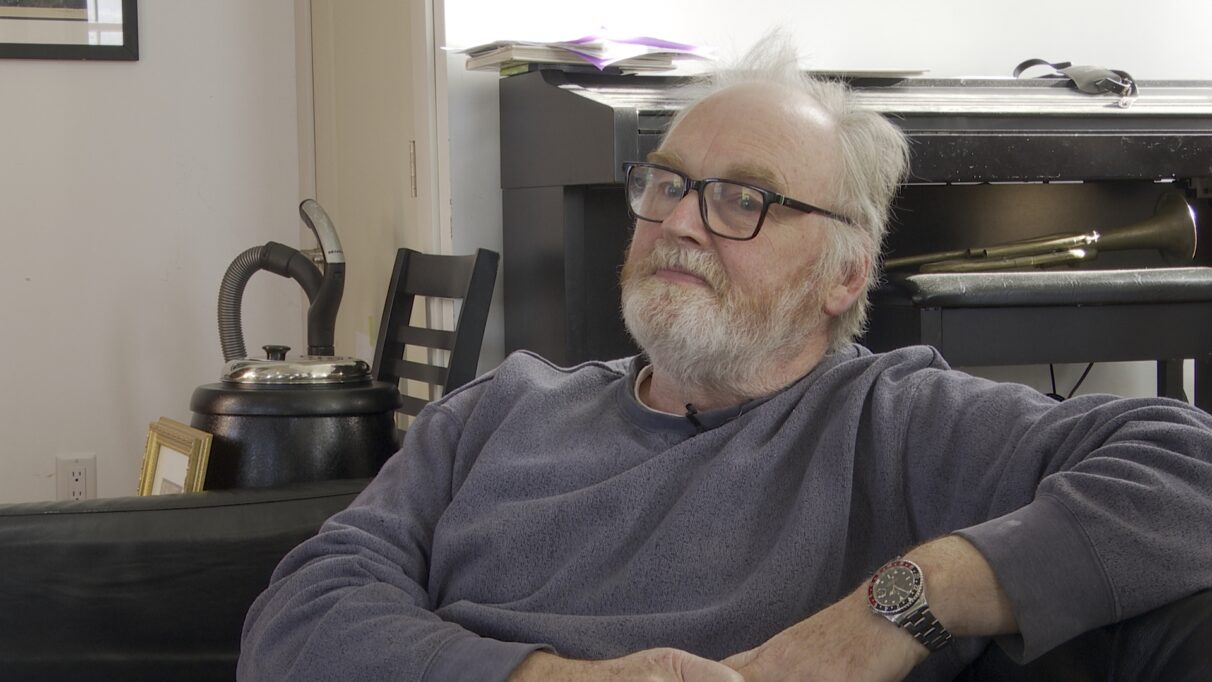
caption
Colin Walsh, co-owner of the Star of the Sea Cafe, says operating the eatery gives him a chance to cook, and to meet people.Uncovering the past
Transforming the former church into a café meant more than adding tables and a kitchen.
The building had undergone numerous changes since it was first built in 1925. Walsh said ceilings had been lowered, features had been covered and the woodwork had been painted repeatedly over the years.
The renovations became an evolving process as the couple uncovered more of the original structure. They removed the false ceiling and exposed the vaulted ceiling and old choir loft.
As Walsh explained, the ceiling had been damaged over the years, including holes made during roof repairs, but restoring it transformed the room.
“That was a real revelation that changed the whole space,” he said.
For Pelham, preserving the building’s character was equally important.
“It has beautiful windows. It has these beautiful arches,” she said. “The way the light comes into the space is really special.”
As the renovation progressed, the couple also began to understand how much the building meant to people who had grown up in the area.
“We meet people who would tell us, ‘Wow. This was a place that felt like my home,’” Pelham recalled.
She said people remember not only the church itself, but the hall and other buildings around it as places where they spent time and built community.
The response to the café has reinforced that connection.
Pelham initially wondered whether residents might see the new owners as outsiders taking over a familiar place. Instead, she said, the reaction has been overwhelmingly positive.
“They’re really happy that the church is going to be a meeting place again.”
That connection to the building spans generations. Pelham said someone who had been baptized at the church reached out to ask about hosting their baby shower in the space.
A place of worship – and community
The building’s importance predates the café by generations.
Nathaniel Smith, a local historian and genealogist who grew up in Upper Prospect, but now resides in Edmonton, said the Catholic history of the area stretches back to the 18th century. The Prospect Parish was established in 1794 and eventually served a vast area outside Halifax.
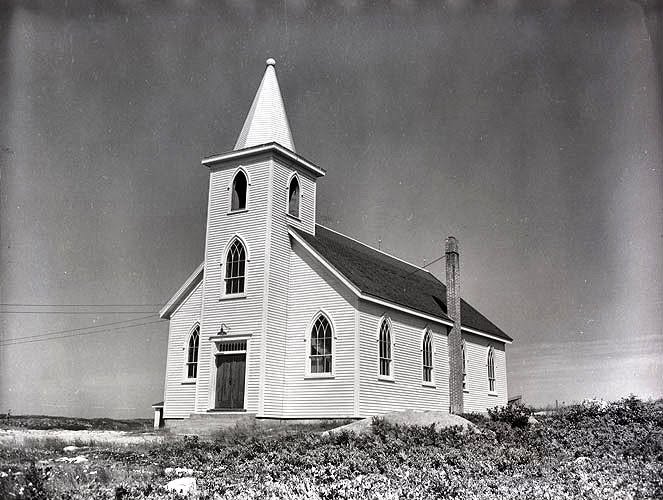
caption
Star of the Sea Roman Catholic Church (also known as Our Lady, Star of the Sea) in Terence Bay, Nova Scotia, captured in a 1941 photograph by E.A. Bollinger.For Smith, churches were more than places of worship. In fishing communities like Lower Prospect, they also served as important physical landmarks.
He recalls going out in the boat with his grandfather early in the morning to check fishing nets and traps. Before radars, his grandfather used the light at the top of the church to navigate.
“He would, in the dark, be able to line up the light at the top of the church with the light on someone’s house and triangulate where the shoal was,” Smith told The Signal.
Keeping the doors open
The Star of the Sea parish eventually closed, and the building was sold by the archdiocese. Walsh’s purchase gave the former church a new life – but for Smith, its continued use is part of a larger challenge facing rural communities.
Across Nova Scotia, historic churches have been left empty, closed or sold as congregations have declined.
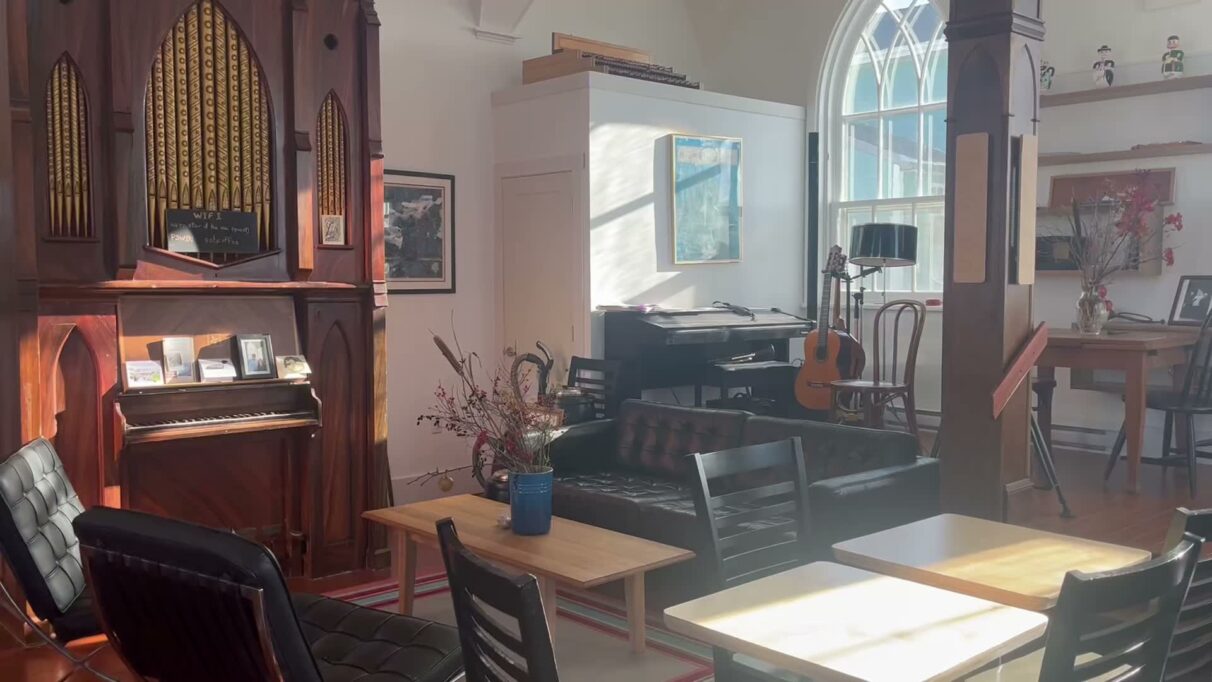
caption
Inside the Star of the Sea Cafe.For Smith, finding new uses for buildings like these can be a way to preserve more than their physical structure. Churches were once central gathering places in communities like Lower Prospect, and keeping the buildings in use can help preserve that role.
Walsh sees the same potential in the Star of the Sea Cafe. He said he hopes the space can eventually become larger and accommodate community activities such as classes, storytelling groups and knitting groups.
“It’s here and it might as well be used,” he said.
The church no longer holds Mass or hosts the religious ceremonies that once marked generations of life in Lower Prospect. But its doors are open again. The pews may be gone, and the coffee has taken the place of communion, but the building is still doing what it has done for more than a century: bringing people together.
For Walsh, that is what matters.
“As long as they remain relevant, they will remain important.”
About the author

Lynnette Alford
Lynnette Alford is a journalist, living in Halifax, Nova Scotia.
Leave a Reply