
How AI is changing scams – and how to protect yourself
Fraudsters use artificial intelligence in their approaches to victims, warn police
caption
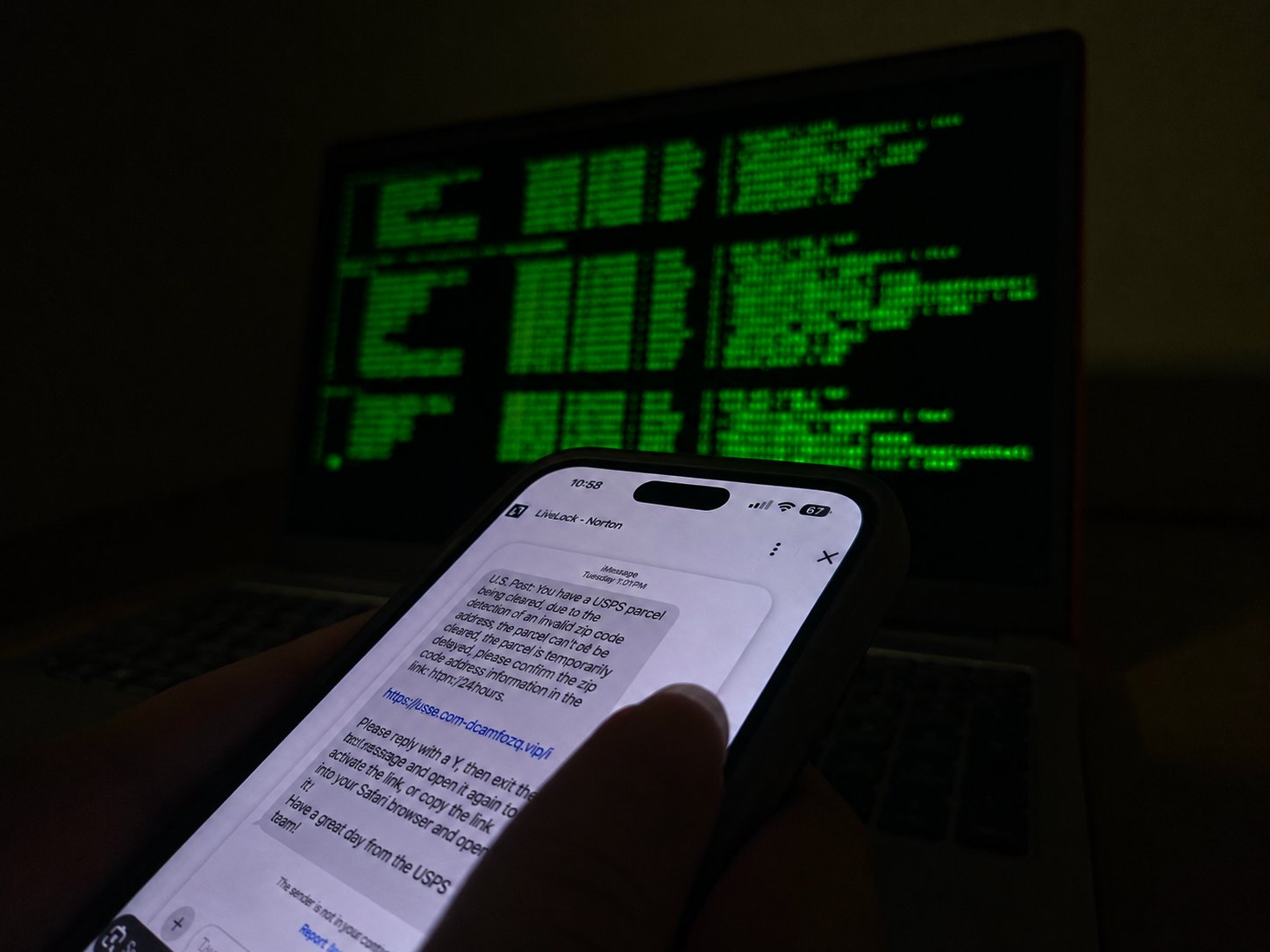
A phone displays a fraudulent text message impersonating a postal service, warning of a delayed package and directing the recipient to a suspicious link.Artificial intelligence is giving fraudsters new opportunities to make scams more convincing — but many of the tactics used to target Canadians may feel familiar.
As the holiday season approaches, Cpl. Mitchell Thompson of the RCMP’s commercial crime unit in Nova Scotia, says traditional scams, like fake online marketplace listings and fraudulent payment notifications, remain a concern in Nova Scotia.
How is AI being used?
Scammers use AI to produce deepfake videos, clone voices, and write convincing written messages. And it’s also being used to gather information and understand patterns in individual writing, making scams sound increasingly human and authentic.
“Automation (and) large language models are helping fraudsters or threat actors create emails and write emails a little more effectively than they would have in the past,” said Jeff Horncastle, of the Canadian Anti-Fraud Centre. “It helps them analyze data.”
This includes gathering information about potential victims from social media and other online sources, allowing scammers to better understand their targets and create more personalized and convincing messages, said Horncastle.
What AI message scams should people watch for?
Some of the most common schemes involve online marketplaces such as Facebook Marketplace. Thompson said fraudsters will post fake listings for popular items at discounted prices, then ask buyers to send deposits to hold items that do not exist.
Another tactic involves fraudulent e-transfer notifications sent through text messages. The links direct recipients to fake banking websites where they are asked to enter their login information.
Thompson also said the RCMP has recently seen more business email compromise scams. Fraudsters gain access to a company’s email system and use AI to copy and impersonate someone who is involved in a financial transaction to then redirect payments into their own accounts.
Horncastle said the holiday season creates more opportunities for fraudsters because people are often rushing to shop and spend money.
“Fraudsters are always trying to capitalize on vulnerabilities and they know the general public population is . . . in a rush, maybe not thinking things through as much as they normally would,” he said.
How can people recognize a scam?
AI-generated scams can be difficult to identify. Thompson says it’s important not to rely solely on looking for spelling mistakes, suspicious-looking texts or unusual voices.
Instead, watch for pressure and secrecy, which are common tactics used to influence victims into making quick decisions.
“If you’re getting pressured into making a decision about money by someone you don’t know, you need to recognize that and take the step back,” he said.
Horncastle offered similar advice.
“Don’t feel rushed. Do as much research as you can,” he said.
What should you do about a suspicious call or message?
Thompson recommends hanging up if someone unexpectedly calls claiming to be your bank and contacting the institution directly using the number on the back of your bank card.
With the use of AI voices, you never know who or what is on the other end of the phone, he said.
People should also avoid clicking unexpected links or sending deposits to unfamiliar sellers.
What happens if you get scammed?
Thompson and Horncastle both stress the importance of reporting fraud, even when victims believe they will not recover their money.
Thompson said reporting incidents can help police identify patterns and connect separate cases to ongoing investigations.
Horncastle said recovering money can be difficult once it has been transferred, but acting quickly can improve the chances. “The sooner you report, the more chance you have of recovering funds.”
Thompson said fraud can affect anyone, regardless of their background or experience.
“Fraud is probably one of the crimes that you are most likely to be a victim of in Canada,” he said. “It doesn’t know socioeconomic status, it doesn’t know age, it doesn’t know gender, it doesn’t know education level.”
About the author

Brianna Marriott
Brianna is an aspiring journalist at the University of King's College with an interest in local news and community focused stories
Leave a Reply