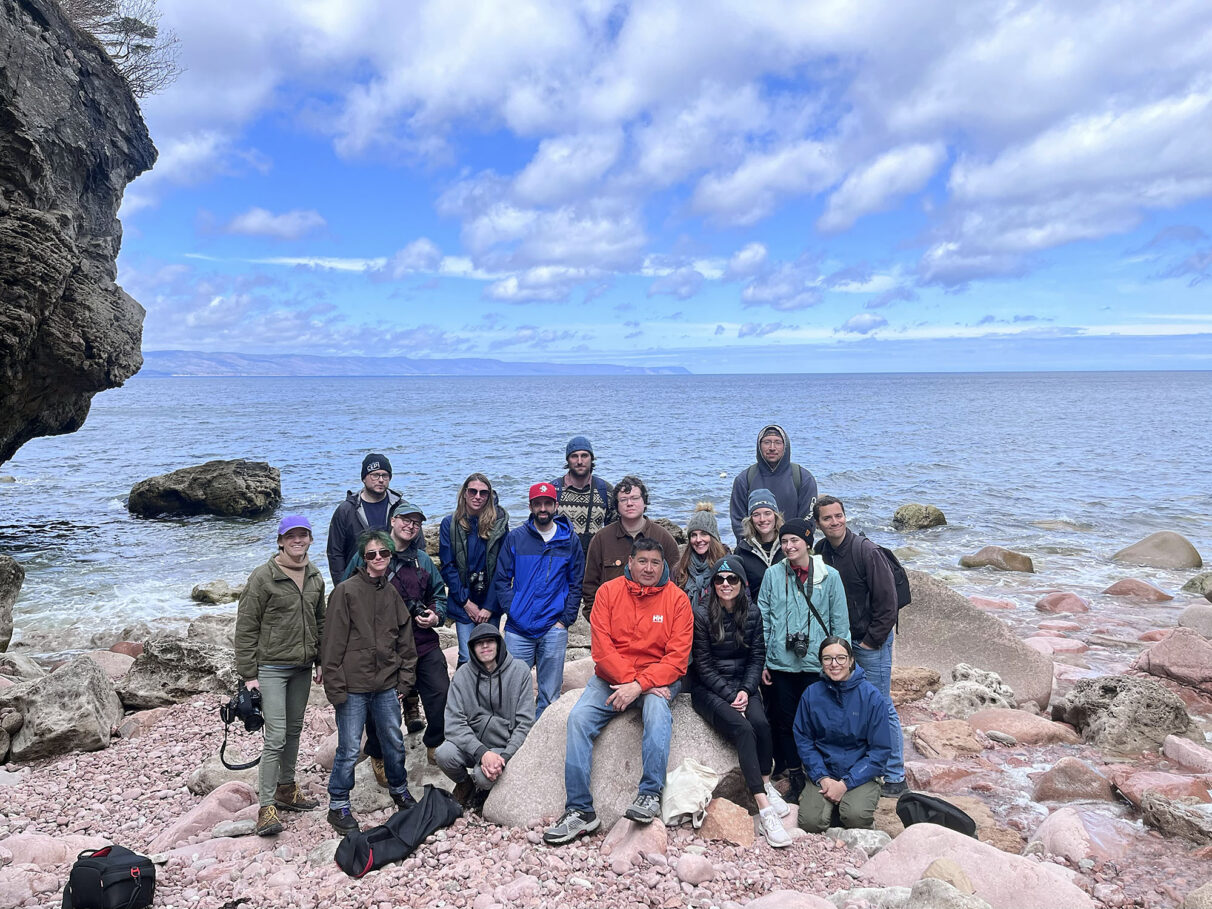
Eskissoqnik: In relation with land and language
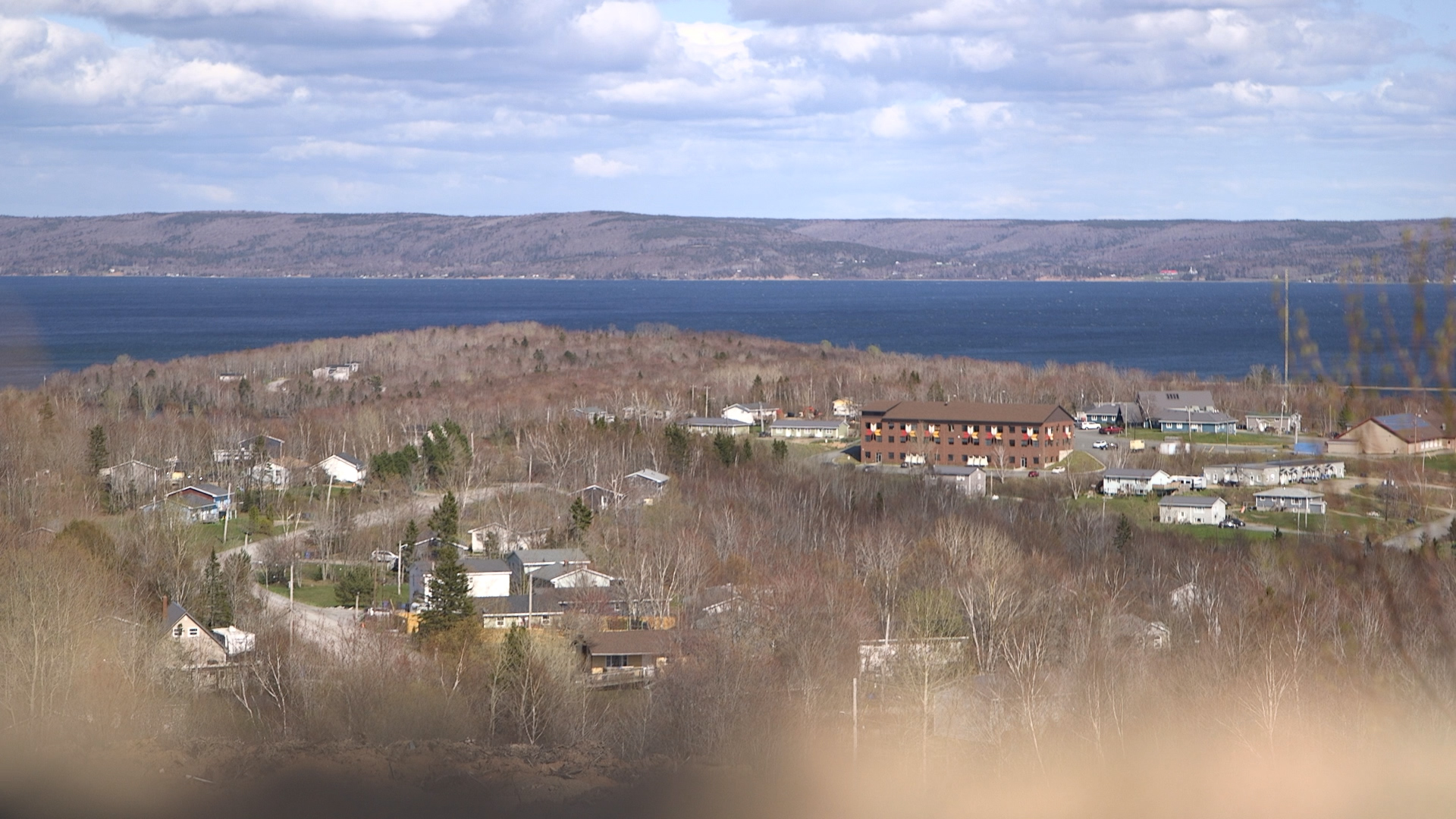
Mi’kmaw concepts that guide conservation work are something Earth Keepers and Land Guardians do, rather than define.
Etuaptmumk, or Two-Eyed Seeing, and Netukulimk, the practice of sustainability, are central to the work of two Mi’kmaw environmental organizations in Eskissoqnik, Unama’ki, also known as Eskasoni First Nation in Cape Breton, N.S.
Earth Keepers work for the Unama’ki Institute of Natural Resources (UINR) and Land Guardians are employed by Eskasoni Fish and Wildlife Commission (EFWC). The job descriptions are wide-ranging, from community outreach and education to field work and data collection, with key roles in the management of Indigenous Protected and Conserved Areas (IPCAs).
Common themes emerge through this series of stories. Working in relation with lands and waters is key to language, culture, identity and community.
In this Series:
Page 1
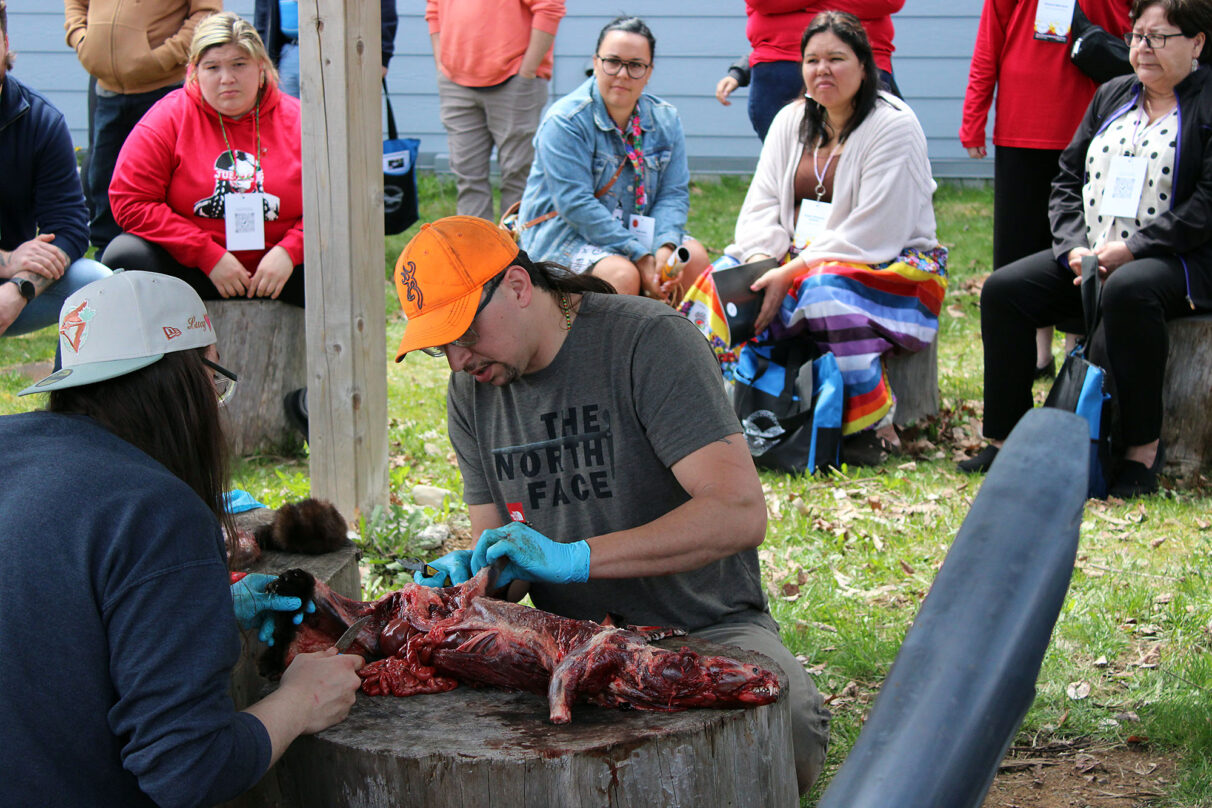
Mi’kmaw Earth Keeper leads with language
Blair “Joef” Bernard uses Mi’kmaw fluency to share understanding of environment and culture
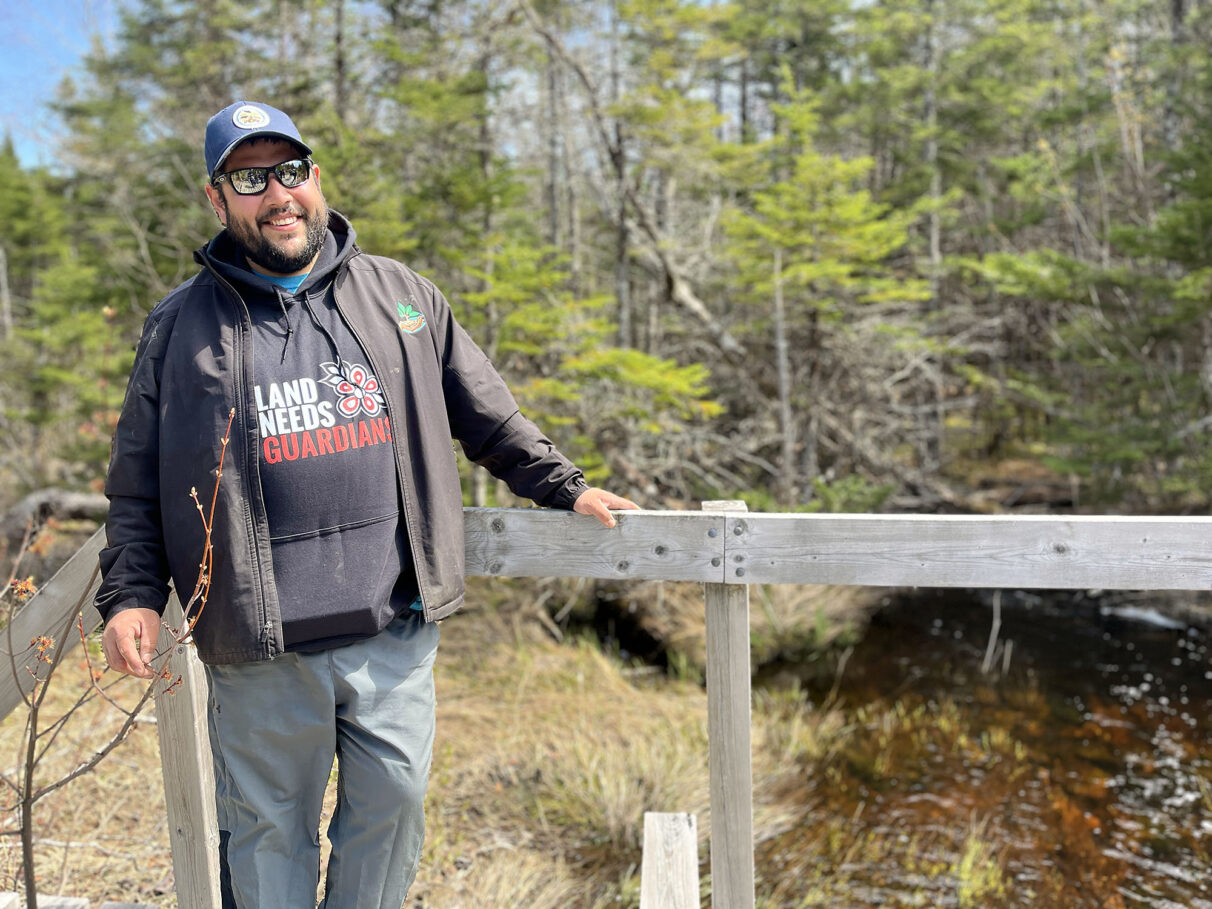
Land guardians in Eskasoni find fulfillment passing on knowledge to community
Mi’kmaw environmental stewards learn from range of ecosystems to help protect them
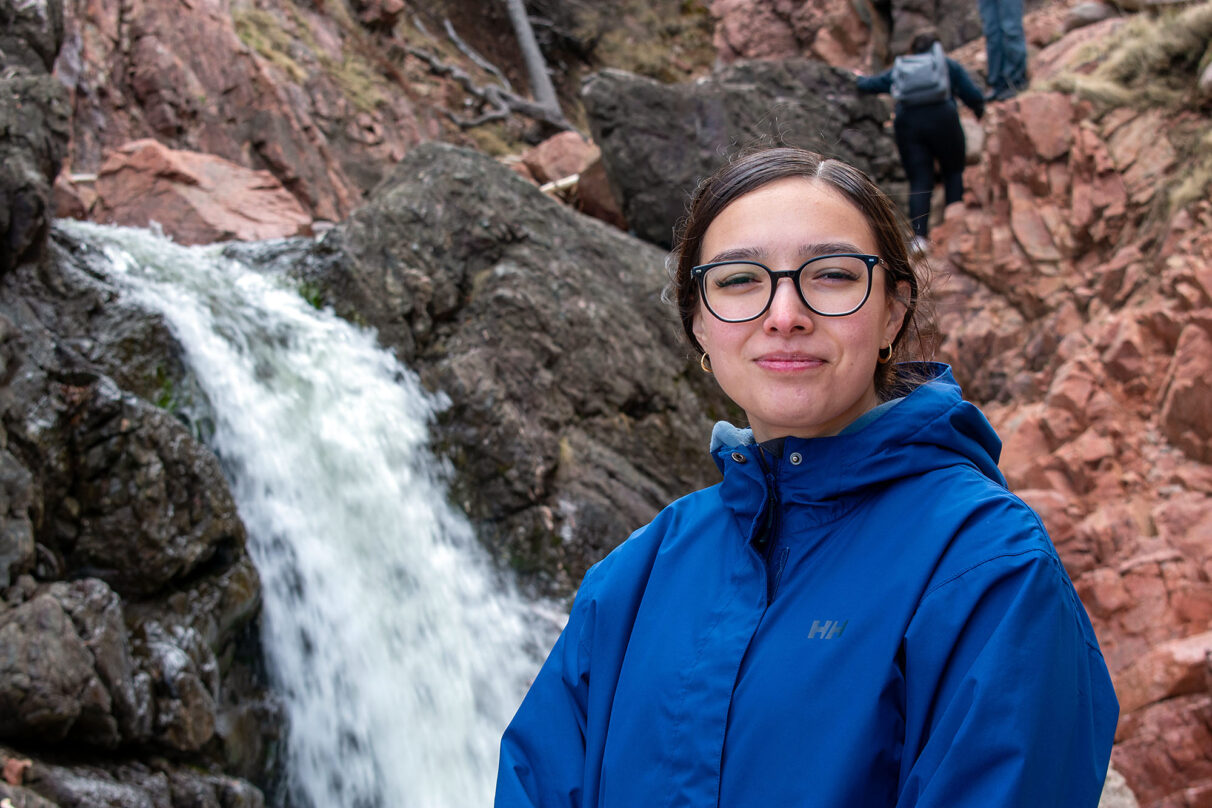
Protecting the land and preserving culture for the future
Morgan Denny hopes to inspire next generation through work as Earth Keeper
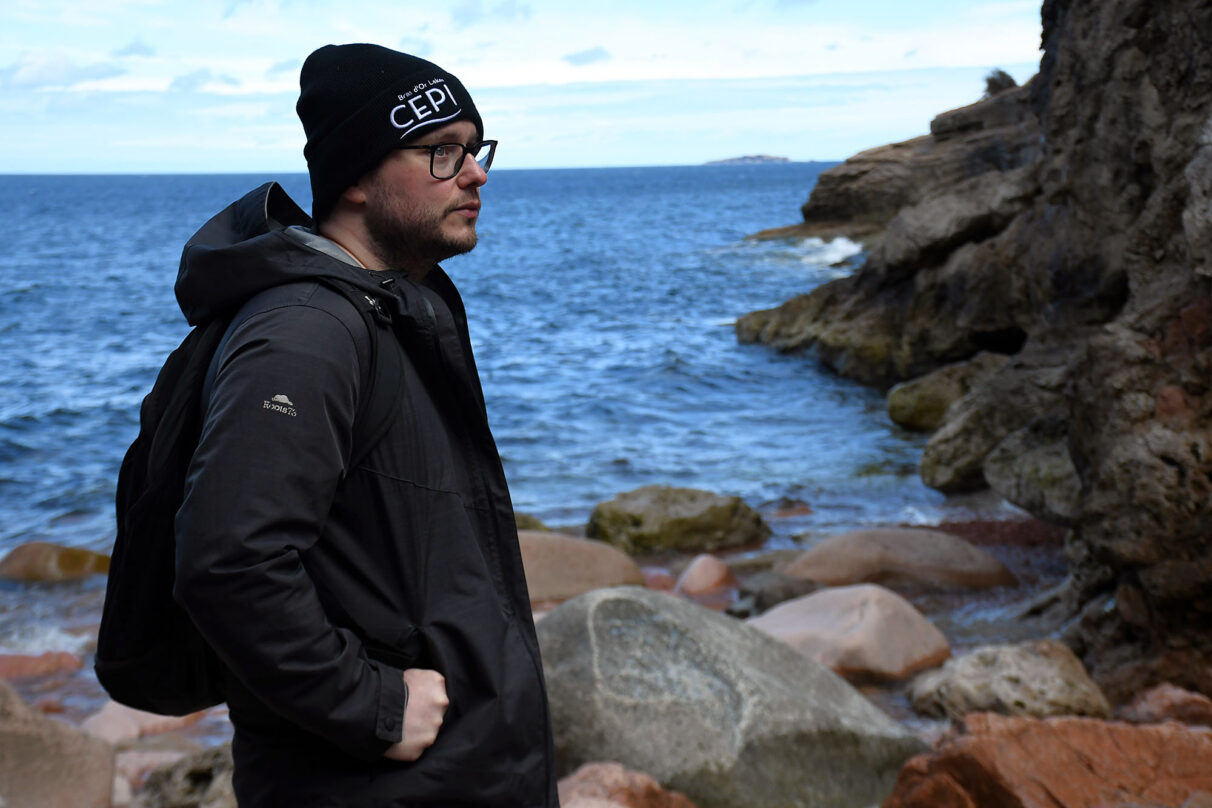
Mi’kmaw conservationist uses Etuaptmumk to care for ecosystems
Tristen Simon’s childhood love for the outdoors continues to drive his work