
Land guardians in Eskasoni find fulfillment passing on knowledge to community
caption
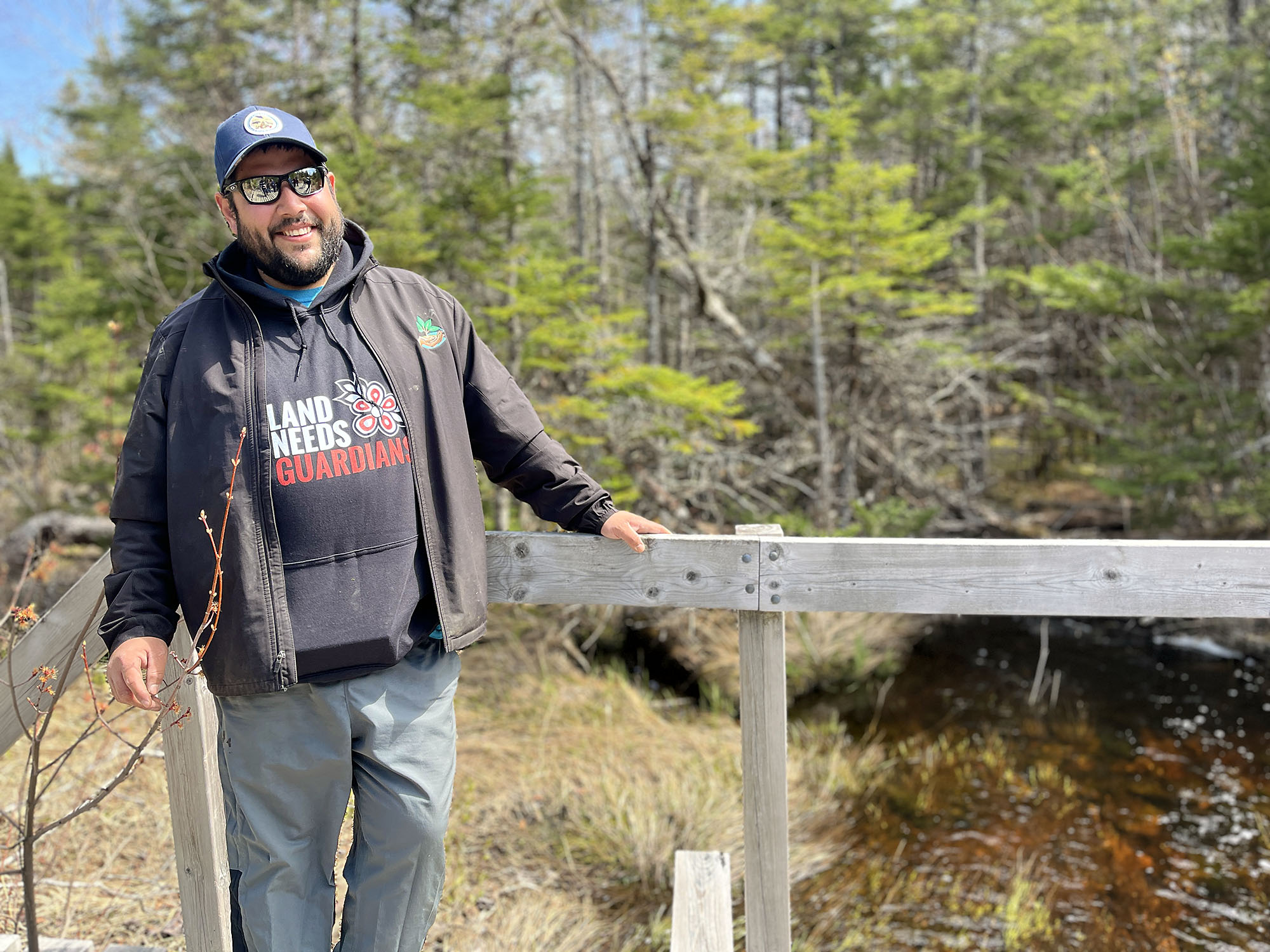
Jordan Marshall, a Land Guardian with Eskasoni Fish and Wildlife Commission, overlooks a wetlands area in the hills above Eskasoni First Nation, N.S.Mi’kmaw environmental stewards learn from range of ecosystems to help protect them
At the cultural grounds in Eskasoni First Nation in Unama’ki (Cape Breton), Jordan Marshall welcomes in a truck of sugar maple trees that he’ll plant along Christmas Brook, a stream that flows on the side of the site. The land guardians of the Eskasoni Fish and Wildlife Commission (EFWC) carry a long to-do list.
The new cultural grounds are in Marshall’s childhood backyard. He’s been clearing the area to make a space for ceremonies and collecting medicines.
Since November 2022, Marshall has worked with EFWC to gather knowledge from the land and pass it on to the rest of Eskasoni, the largest Mi’kmaw community in the world.
caption
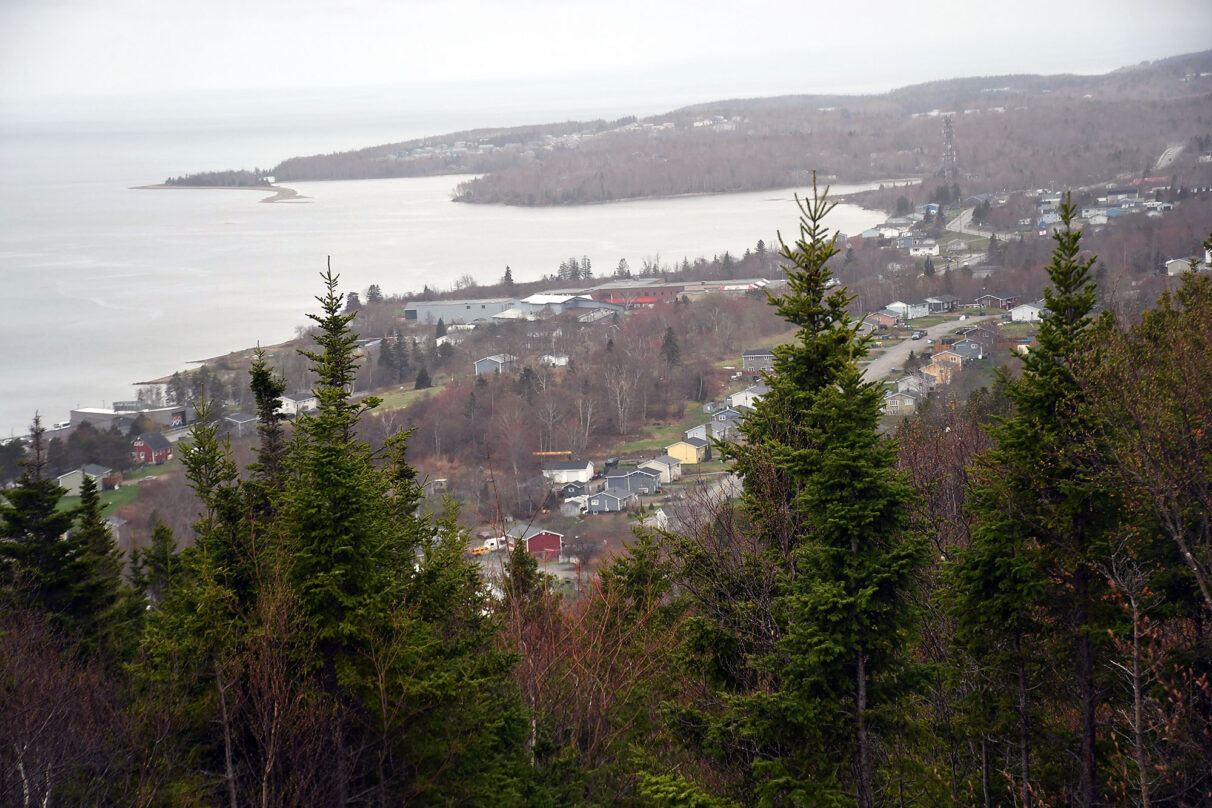
Eskissoqnik, or Eskasoni, in Unama’ki, also known as Cape Breton, N.S., is nestled between the Bras d’Or Lake and the hillside. The First Nation is home is nearly 5,000 Ln’u’k, the People.Tony Sylliboy started at EFWC the same day as Marshall.
“Us being together makes us a good team,” Marshall says of Sylliboy, the only other full-time land guardian.
“I probably taught him how to maybe be a better hunter,” Marshall says with a laugh.
Their work varies from day to day. From planting trees to monitoring wildlife populations, the two work in a team to gather knowledge from the land and Elders to pass on to youth and the general public.
Sylliboy says his work at the EFWC is making a real difference in his community.
“I know a lot of people go to their jobs here and there and they’re like, ‘damn, I’m not doing anything important,’” Sylliboy says. “Here, I feel like I’m doing something important.”
caption
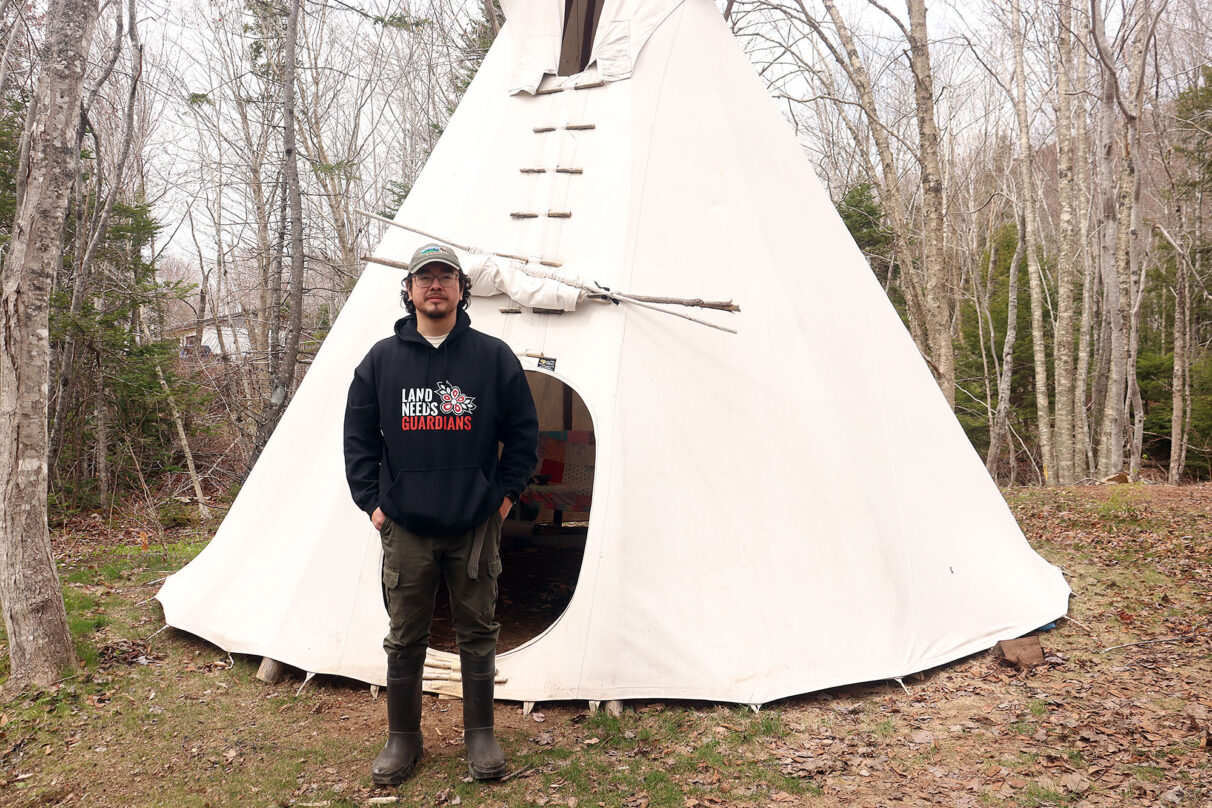
Tony Sylliboy stands in front of a teepee in the cultural grounds of Eskasoni First Nation on May 14, 2026. The teepee took Marshall and Sylliboy 30 minutes to set up.Sylliboy and Marshall employ Etuaptmumk, the concept of Two-Eyed Seeing, which blends traditional Mi’kmaw methods with modern Western practices. Sometimes they’ll be in the commission’s building growing tadpoles, out surveying plants, hosting a student workshop, or plucking eagle feathers for the high school’s graduation.
“I’m providing something that I didn’t have as a kid,” says Sylliboy. “I hope it sparks curiosity and a drive to revive our culture.”
Marshall says the guardians’ growing responsibilities will allow their work to continue for generations to come.
“A lot of teachings are going to happen here over the years for a long time,” he says. “Now there’s more to do here, more ways to interact with the land.”
caption
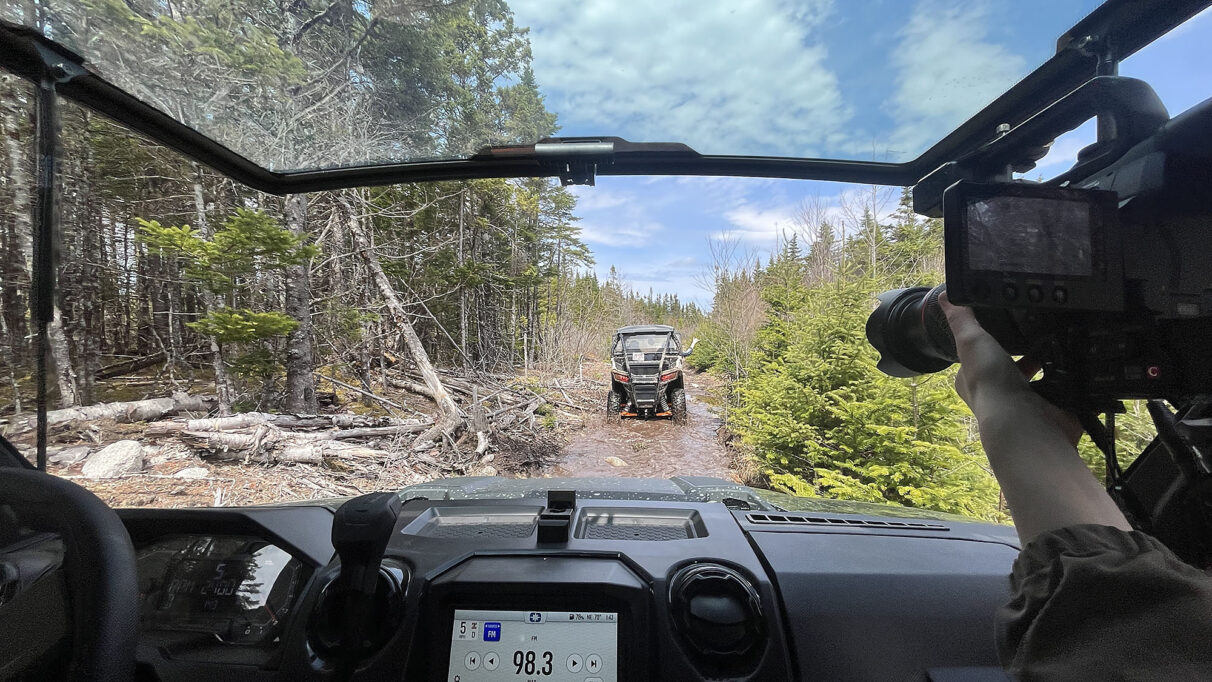
An ATV trail leads to the wetlands in the elevation northwest of Eskasoni.The land guardians work in a variety of ecosystems, whether it be in the community, on wetlands, powwow grounds or on the nearby Indigenous Protected and Conserved Area (IPCA).
Since 2021, Eskasoni Fish and Wildlife Commission has taken the lead on the IPCA project. The 8,000-hectare area in the hills above the community includes the Eskasoni watershed. The land guardians play a key role in the environmental stewardship to protect water and biodiversity.
“We’ve always been for the environment, the language,” says EFWC executive director Tom Johnson. “The planting of the trees, the rivers, the IPCA, and even the language. It’s all interconnected.”
A 15-minute ATV ride from the cultural grounds gets you up to the wetlands, an area close to the IPCA.
Trees surround a mossy expanse on all sides, blocking off any view of the world beyond. The sounds of the ATV grinding over rocks, sticks, and fallen branches are unavoidable, but upon arrival, the marsh is quiet.
“Just hearing the silence and just hearing the wind only is nice,” Marshall says.
He appreciates how unpredictable the job can be and that he continually faces new challenges.
“I like how random stuff just pops up, so it’s always something different every day,” he says.
Less than an hour later, while driving back from the wetlands, Marshall notices smoke rising from the woods beside the road.
He arrives on the scene, gets out of the ATV and stomps out the smaller ground fires, but it soon spreads further along the tree line. Marshall calls the fire department, and a crew arrives within minutes to put out the blaze.
“I knew if that mountain lights up, that’s going to be pretty much the whole mountain,” Marshall says.
“Just being there at the right time is always something too. It’s crazy.”
A trip into the wetlands with Eskasoni Land Guardians who help put out a fire they discovered on the way back. (Video Credit: Paul Robinson)
For Marshall, the most fulfilling parts of his work are bringing youth onto the land and giving them lessons, including his 10-year-old son, Jordan Marshall, Jr.
“Eventually I know he’s going to be a land guardian himself,” Marshall says.
caption
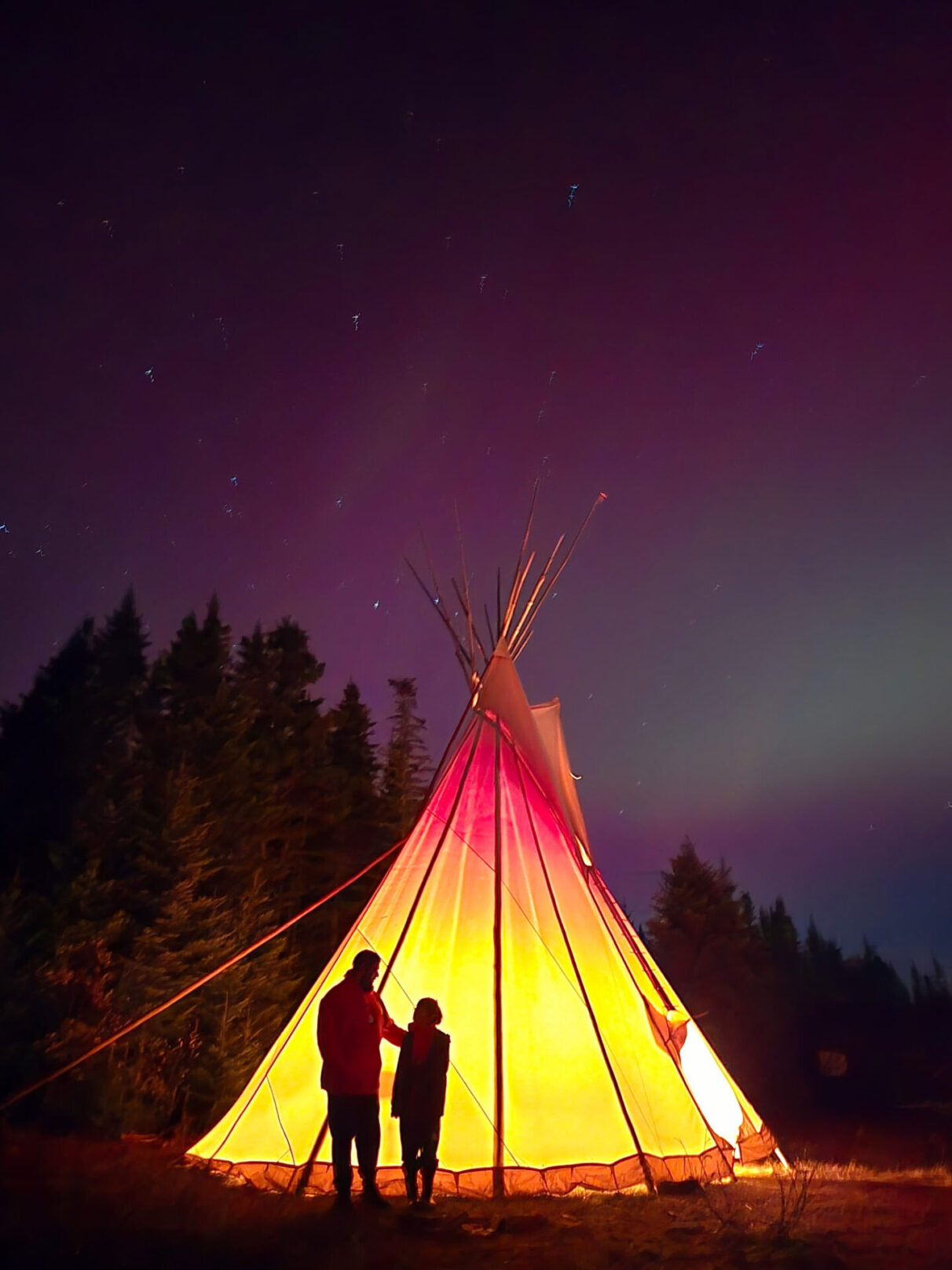
Marshall and son, Jordan Jr. at a cultural camp for youth teenagers in the Cape Breton Highlands, October 2024.His son’s middle name is Jeffrey, but the youngster also has another middle name: Netukulit. The Mi’kmaw word is a variation of Netukulimk, the foundational Mi’kmaw concept of sustaining the community and its economy without harming the environment.
Marshall gave his son the Mi’kmaw name on his mother-in-law’s suggestion to make sure those core values were passed down.
“[We did it] so it would be in him … to do the right thing,” Marshall says. “So he’ll know of the word.”
About the author

Joshua Smith
Joshua is a Master of Journalism student at the University of King's College and a breaking news reporter with the Toronto Star. He spent nearly...
Jack Wolkove
Jack Wolkove is a second-year journalism student at University of King's College.