
‘Super’ El Niño fights off Atlantic hurricanes
Pacific Ocean climate phenomenon shelters Nova Scotia, Eastern Canada from big storms
caption
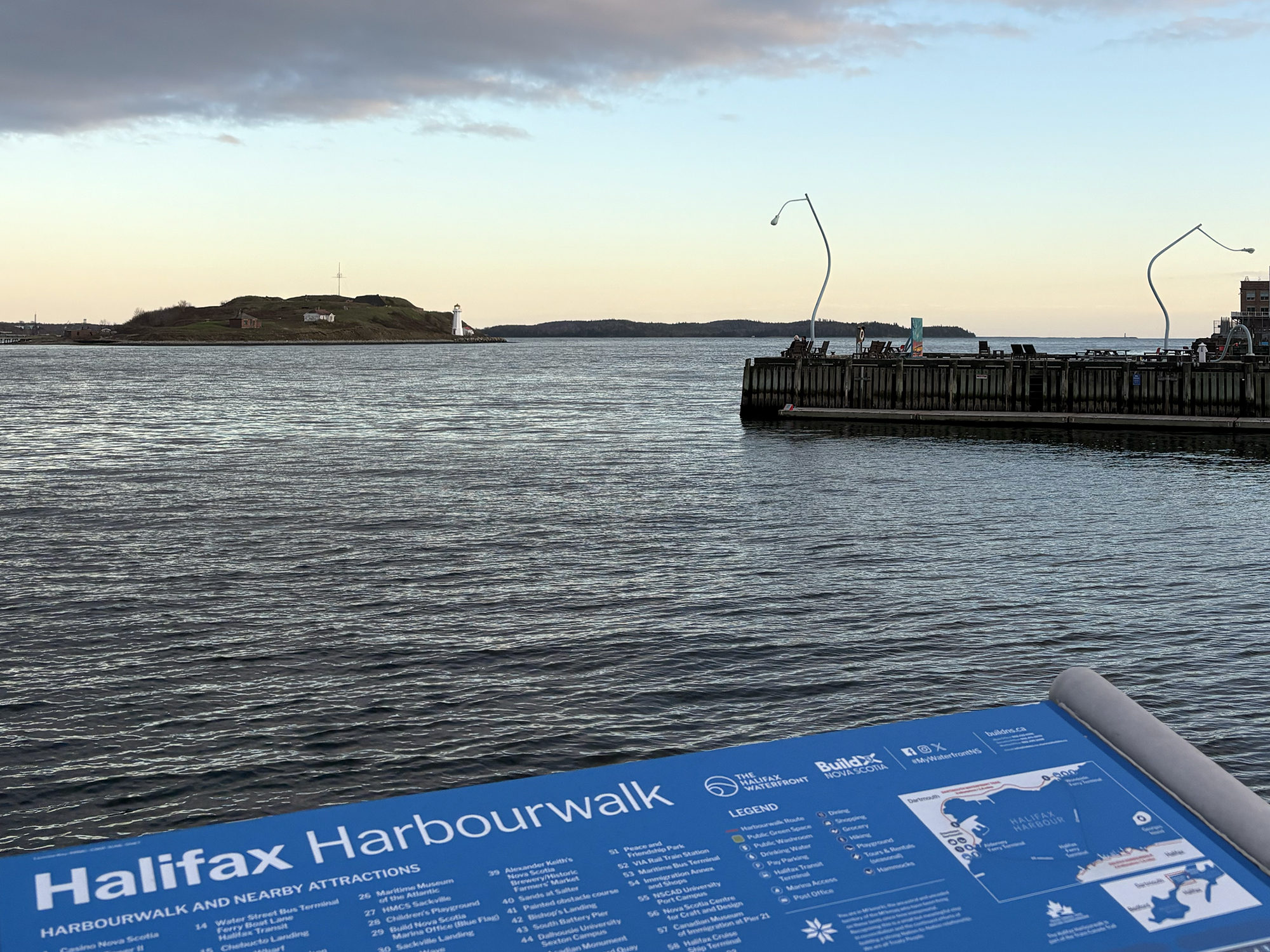
Waters were calm in Halifax all year, as the Atlantic hurricane season produced no storms that threatened Nova Scotia in 2026. The season ends in November.In autumn in any given year, you might find Nova Scotians in a grocery store checkout line participating in the local cultural tradition of buying ‘storm chips.’
But this year, a different phenomenon is taking place: El Niño, an event where abnormally warm water near the equator changes weather patterns.
The Atlantic hurricane season, which runs each year from June to November, has been the quietest in 40 years.
Each year’s hurricane activity is measured in what meteorologists call “accumulative cyclone energy” (ACE) and given a score.
To determine that number, the meteorologists measure the maximum sustained wind speed squared every six hours, for the lifetime of the storm. The total is then divided by 10,000 to simplify the number.
How slow has this season really been?
The ACE index for last year’s hurricane season was 130.8. This season, it was 19.9, less than half the amount of energy of one large storm, such as 2019’s hurricane Dorian.
The 2026 Atlantic hurricane season has been one of the mildest in modern history.
“When you think of 15 per cent of normal, it’s tiny,” said Chris Fogarty, head of operations at the Canadian Hurricane Centre in Dartmouth.
“Out of the last 60 years of reliable statistics, only 1983 was a bit quieter than this year.”
There have been 10 named storms this season and only one hurricane. Fogarty said that one-third of the season’s energy came from Hurricane Isaias.
“The average number of major hurricanes is somewhere between three and four per year, and we’ve only had that one,” said Bob Robichaud, a warning preparedness meteorologist for Environment and Climate Change Canada. Major hurricanes are storms of category three and greater.
‘Super’ El Niño to blame
“It certainly has to do with what’s going on over in the Pacific Ocean,” said Fogarty, referring to a ‘super’ El Niño happening due to warming in large sections of the Pacific Ocean.
“We’re talking like six, seven degrees Celsius warmer than normal around the Galapagos Islands.”
The warm water influences the atmosphere above it, creating heavy cloud cover.
“All that cloud cover that’s generated causes the upper-level winds over the Atlantic Ocean to be really strong,” said Fogarty.
“It shuts down a lot of the storms from forming in the Atlantic.”
The 1983 hurricane season, which was slightly slower than the 2026 season for the least activity in 60 years, also had a massive El Niño event.
“Whenever we have an El Niño, we expect fewer hurricanes than average,” said Robichaud.
Environment and Climate Change Canada said in May that this season would see “eight to 14 named storms, three to six hurricanes, and one to three major hurricanes in the North Atlantic.”
The season produced only one hurricane in total, Isaias, which at one point attained major status.
What about this winter in Nova Scotia?
Nova Scotians can expect a warmer winter from the El Niño event, but not as significant as other parts of the country.
“In the year after El Niño, most of Canada is likely to be above normal temperatures especially in the west. Here in Eastern Canada, we’re likely to be a little bit above normal temperatures,” said Fogarty.
A warmer winter can have lasting effects throughout the year.
“Whenever we have an El Niño, we tend to have a lower snowpack,” said Robichaud.
“If we go into the spring with much lower snowpack and then things dry up quickly in the spring, then that expedites fire season.”
Robichaud expects El Niño to peak by January.
As for next hurricane season, “It looks like by then water temperature should be back to around average,” he said.
“We probably would be looking at a more active hurricane season in 2027.”
About the author

Matthew Copage
Matthew is a master's student at University of King's College.
Leave a Reply