
A parrot, a dragon, and a rabbit walk into a vet clinic
Meet some of the exotic animals being treated at Halifax’s Coastal Care Veterinary Hospital
caption
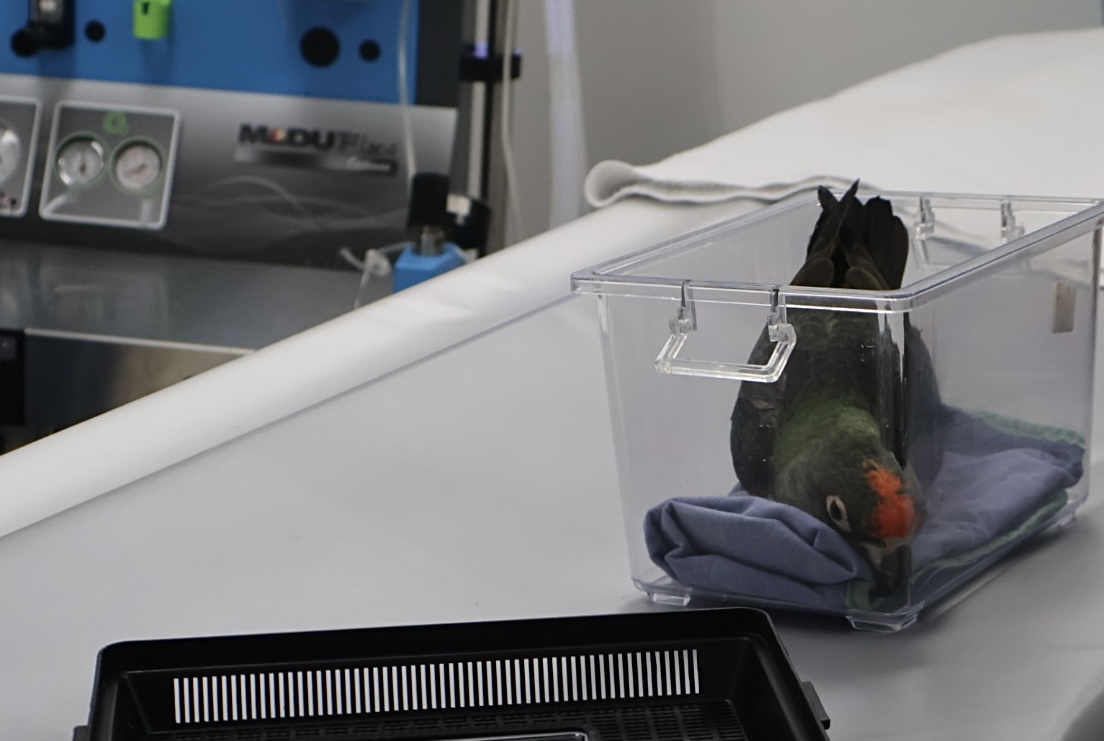
Exotic pet patient Homer the Jardine’s parrot prepares for his CT scan at Coastal Care Veterinary Hospital on Thursday in Halifax.On an early Thursday morning in Halifax, staff at Coastal Care Veterinary Hospital warm up the CT scan for its first patient of the day: a 28-year-old Jardine’s parrot named Homer.
Unlike standard veterinary clinics in Atlantic Canada, Coastal Care provides treatment to dozens of different species, including small mammals, birds, amphibians, reptiles, and fish.
This specialized service is led by exotics veterinarian Dr. Noëlle Webb.
caption
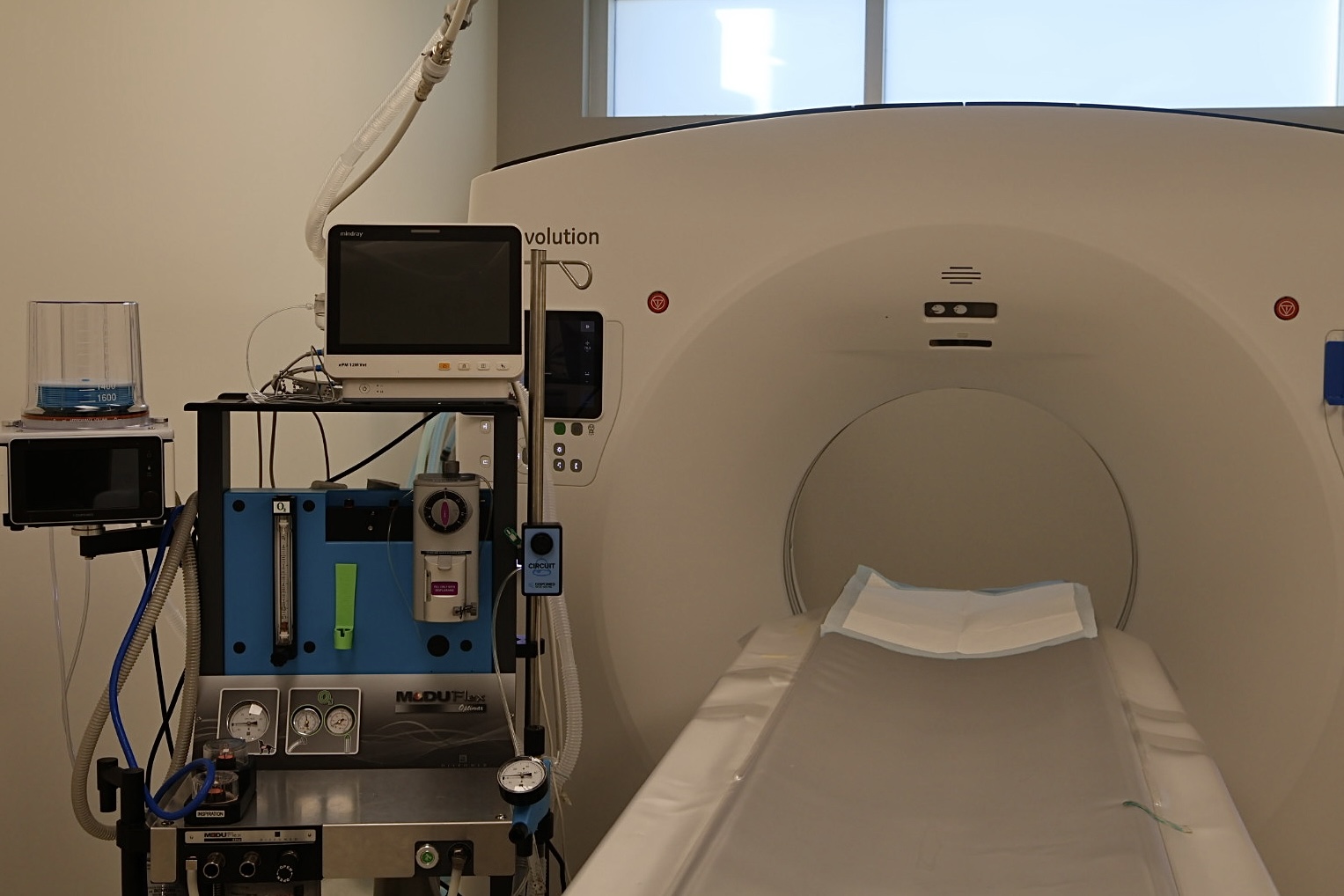
Coastal Care’s CT scan was the first in Nova Scotia to be used for pets.“Exotic animals, in particular, can be very stoic creatures that don’t always display their problems visually, so they often require many diagnostic steps to determine the issue,” Dr. Webb said.
That’s why Homer is receiving a follow-up CT scan to investigate some anomalies marked in his recent bloodwork.
caption
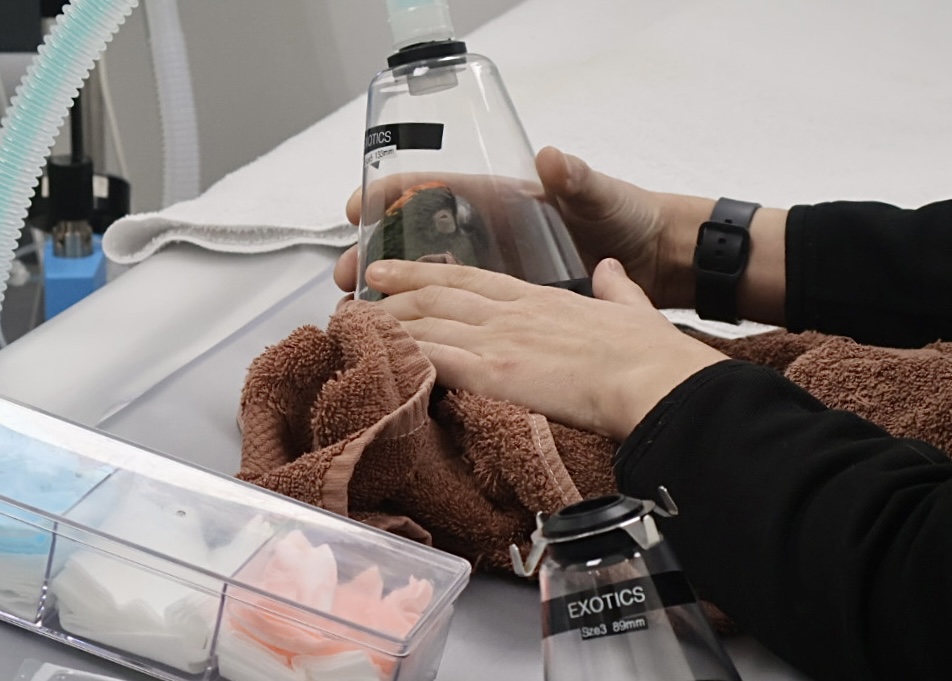
Dr. Webb oxygenates a sleepy Homer before administering anesthetic gas for his CT scan.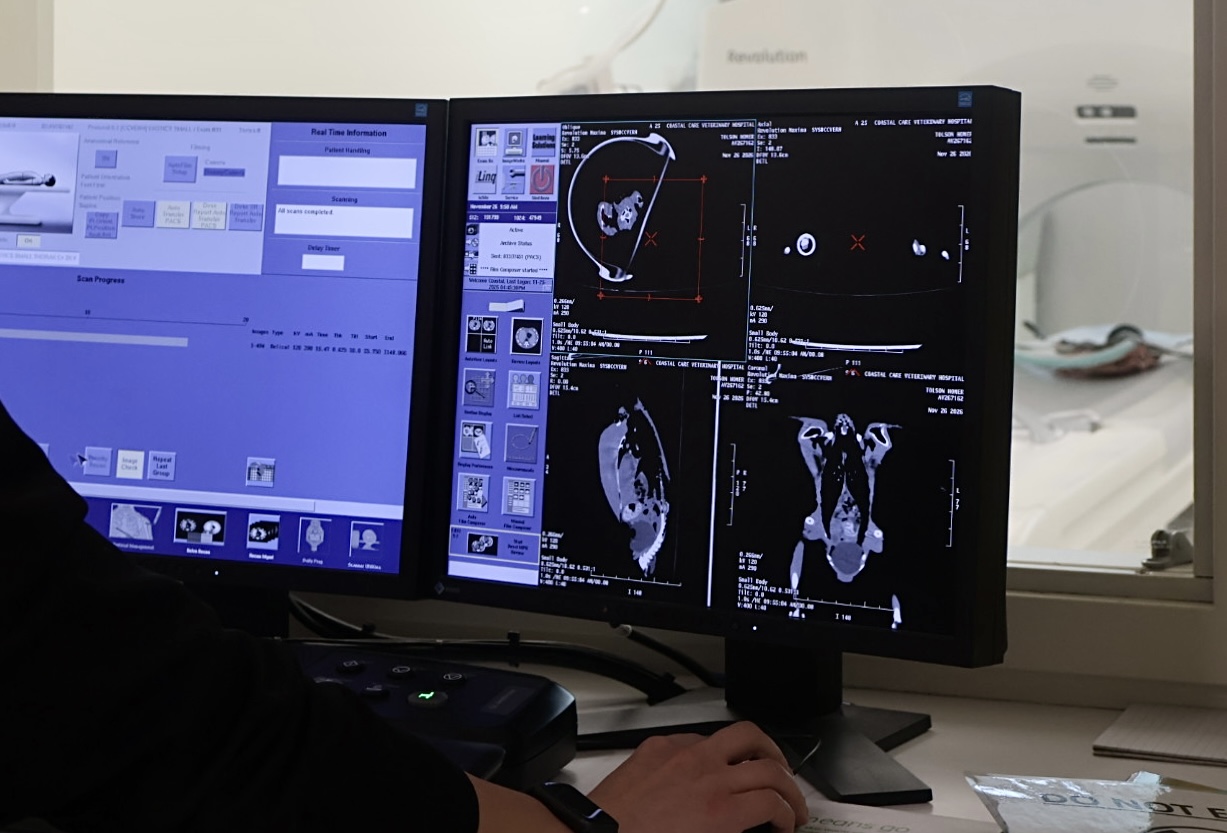
caption
Dr. Webb examines images of Homer’s heart as he passes through the CT scan in the background.According to Dr. Webb, some of the larger exotic bird species can live well into their 50s and 60s. However, at 28 years old, Homer is considered senior for a Jardine’s parrot, making it especially important to monitor his heart health and liver function.
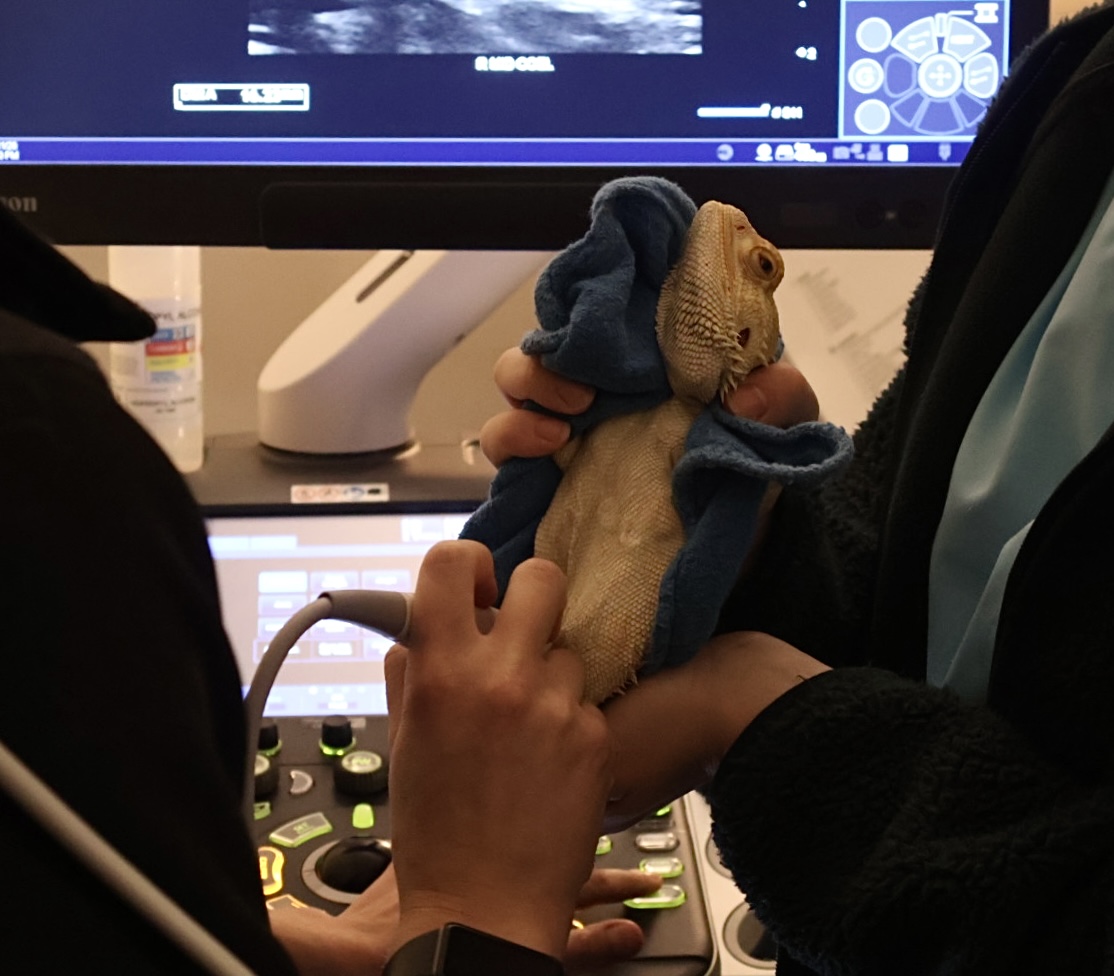
After Homer’s CT scan, the next planned procedure of the day is an abdominal ultrasound for Pogue, a senior bearded dragon, and another one of Dr. Webb’s regulars.
caption
Once she has applied some cooling gel, Dr. Webb presses a miniature ultrasound wand onto Pogue’s abdomen.Like Homer, Pogue’s procedure was ordered as a follow-up on previous bloodwork.
Dr. Webb said that bearded dragons have been largely overbred, which can sometimes lead to generational genetic complications. Subsequently, many of the rescue dragons that she has encountered tend to require more extensive care.
caption
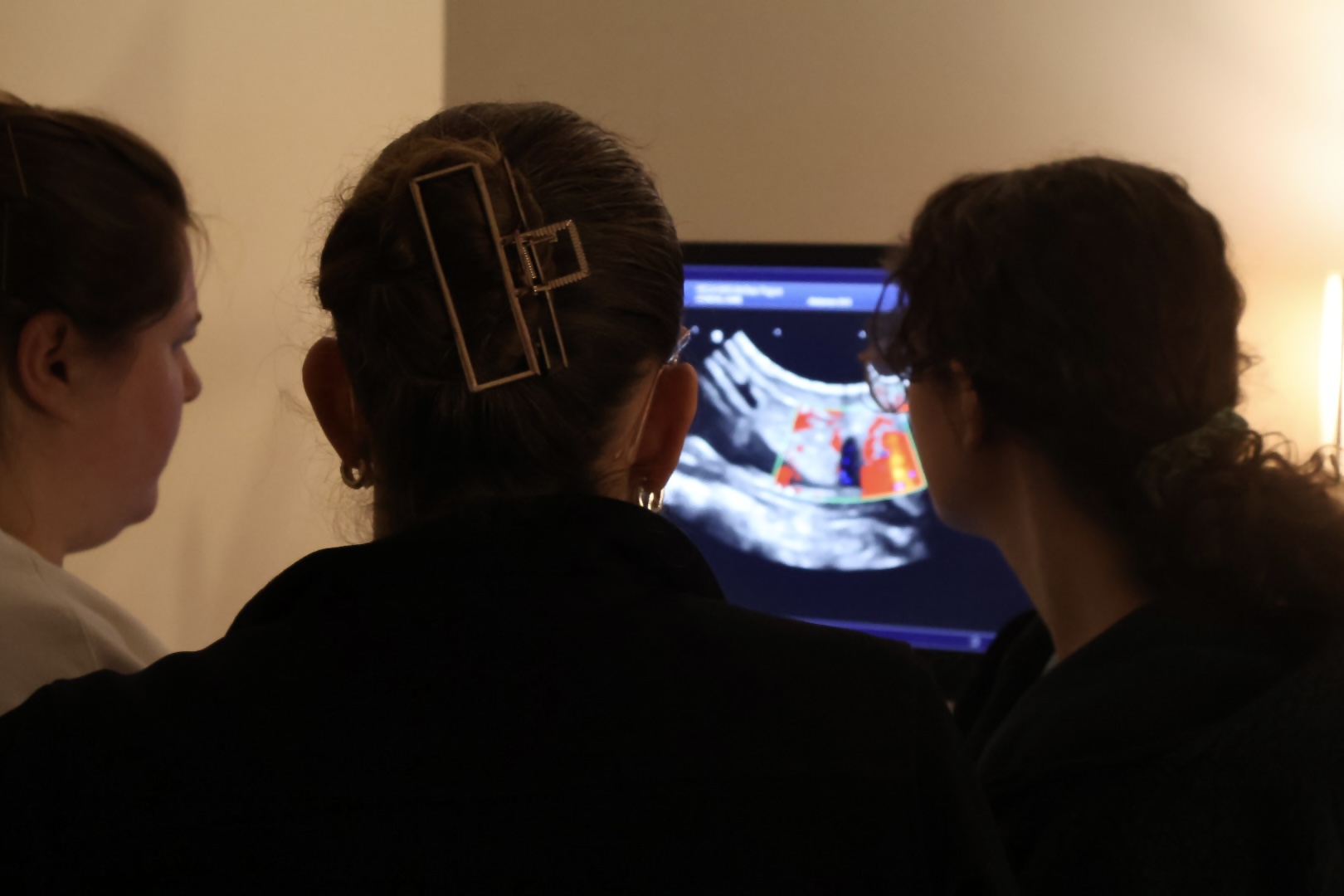
Dr. Webb (middle) examines imaging from Pogue’s ultrasound.Unlike most mammals, reptiles typically don’t display sexual dimorphism. Pogue was assumed to be male, but Dr. Webb discovered an egg during the ultrasound, indicating that she may be female.
Between Dr. Webb’s visits with Homer and Pogue, she stopped by the intensive care unit to draw blood from Bo the rex rabbit, remove contact lenses from Gimli the Holland lop bunny, and prep Meatball the guinea pig for an X-ray.
caption
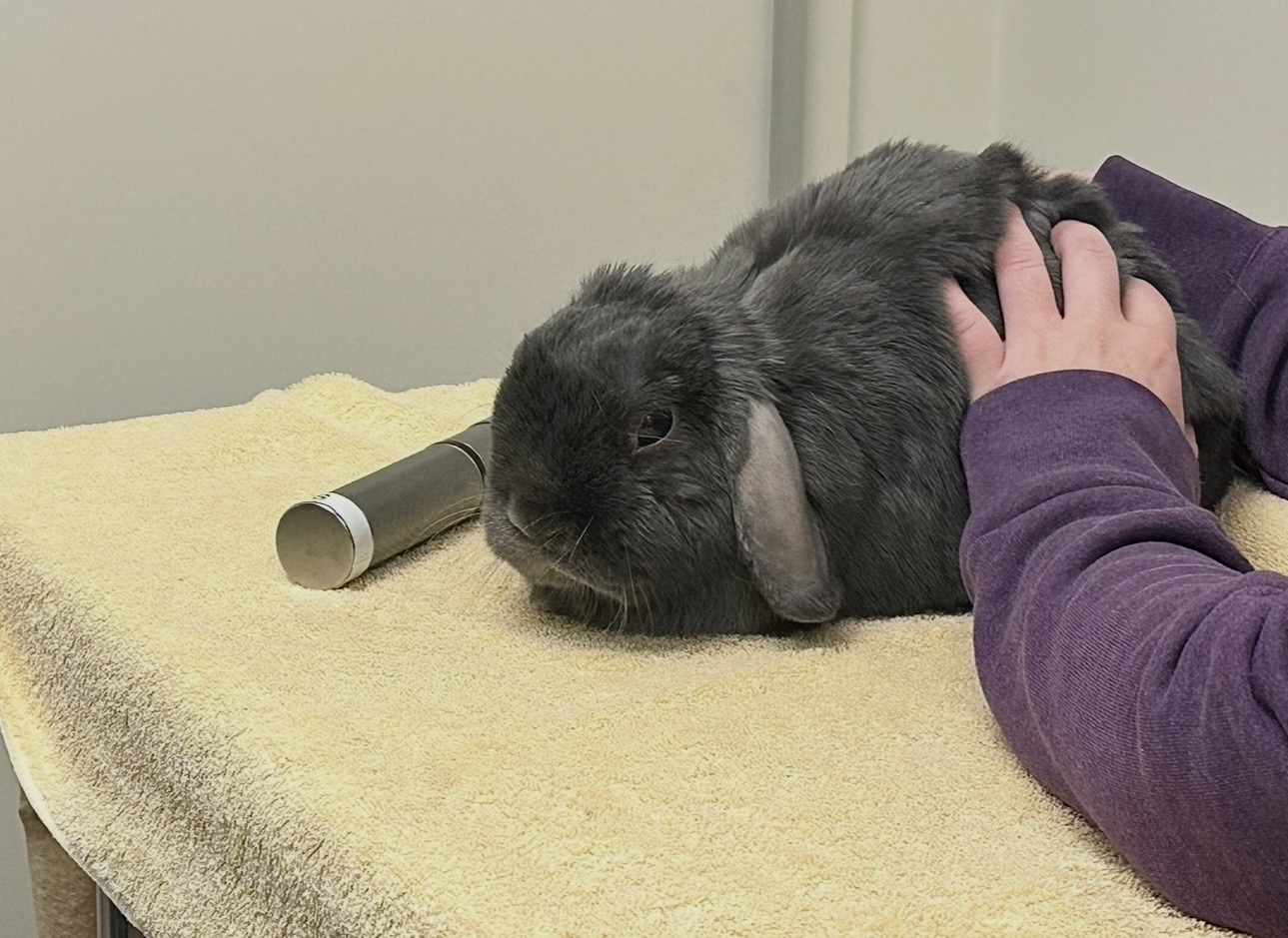
Gimli waits for Dr. Webb to remove the contact lenses from his eyes.Gimli has been suffering from corneal ulcers, so Dr. Webb installed temporary contact lenses a couple of weeks ago to protect his eyes and keep them hydrated.
On Thursday, he returned to Coastal Care for a checkup. After removing his lenses and conducting a quick fluorescein stain test, Dr. Webb discovered that Gimli’s ulcers had completely healed.
While she has treated a variety of other small mammals, including hedgehogs, degus, sugar gliders, chinchillas, ferrets, and mice, Dr. Webb said that rabbits are her most frequent (and favourite) patient.
Dr. Webb also mentioned that caring for bunnies inspired her to adopt two of her own.
About the author

Emme Morin
Emme is a Bachelor of Journalism student at the University of King’s College. A lifelong resident of Dartmouth, Nova Scotia, she enjoys covering...
H
Hannah MacFarlane