
Hiring more midwives could reduce patient waitlists, says obstetrician
But province has no plan to increase numbers, says MLA
caption
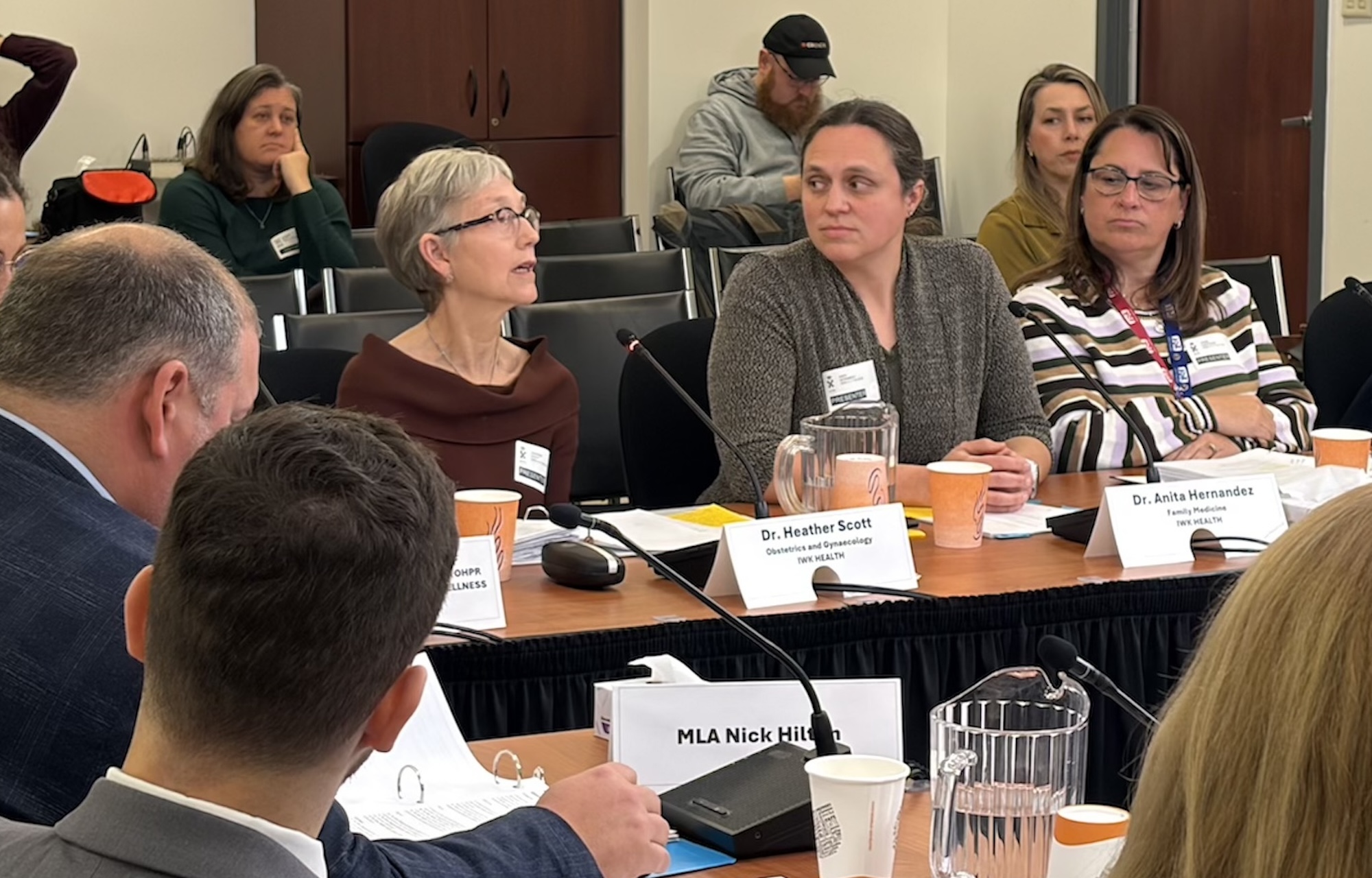
Dr. Heather Scott discusses perinatal support for Nova Scotians at a legislative health committee meeting on Tuesday.Increasing the number of midwives in Nova Scotia could ease the pressure on obstetricians and family doctors in the province, a provincial committee was told on Tuesday.
The Standing Committee on Health was meeting to discuss accessibility and perinatal support across Nova Scotia.
The committee heard from experts and representatives from IWK Health and the Association of Nova Scotia Midwives.
Expanding midwife access could reduce the number of patients waiting to receive care from obstetrician-gynecologists, family physicians and other first-line care providers, Dr. Heather Scott, a Halifax obstetrician and associate professor at Dalhousie, told the committee.
“There may be situations where I am actually needed, because I do high-risk obstetrics, but I might be having to manage lower risk pregnancies that would be extremely well looked after by midwives,” said Dr. Scott.
“Despite asking several times, we’ve been told there is no plan to increase midwives,” says Rod Wilson, health committee member and MLA for Halifax Armdale. “But we heard a very clear solution: if we increase midwives, particularly in Kentville, it would free up obstetricians to tackle that four-year waitlist.”
“Your care is limited by your postal code.”
MLA Rod Wilson
Halifax resident Heloise Muller is 30 weeks pregnant. “I was feeling alone,” Muller said in an interview on Tuesday of her experience during her first trimester. She does not have a midwife, but has requested one.
A native of France, Muller was accustomed to the idea of access to a midwife and was surprised that Nova Scotia did not necessarily offer the service.
“They said you have to fill out a form to explain why you want a midwife,” she said. “That’s when I realized not everyone can have access to one in Nova Scotia.”
At the committee meeting, MLA Wilson echoed Muller’s experience, saying “Your care is limited by your postal code.”
caption
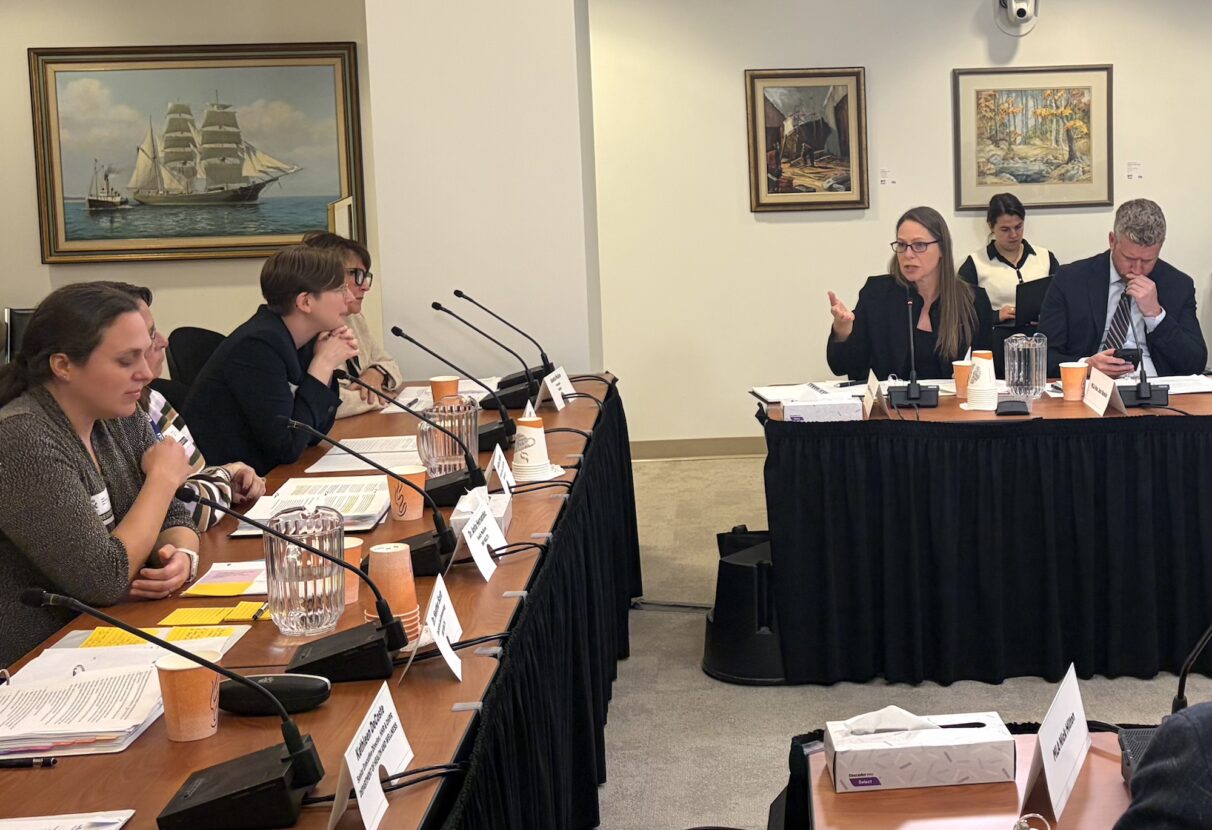
Representatives listen as the health committee poses questions about barriers to access and delivery of perinatal care across the province.Barriers to midwife practices
There are currently 16 full-time and ten casual midwives working in the province, said Liz Fraser, a registered midwife and co-president of the Association of Nova Scotia Midwives.
In addition to recruitment, Fraser says bureaucracy is the primary obstacle to providing midwife care.
On June 30, the province expanded the services midwives provide in Nova Scotia.
“There’s got to be a way we can work a little bit more collaboratively, and we’re working really hard to try to make that happen.”
Dr. Anita Hernandez
“For the first time in an almost 15-year career, I’m super happy with my regulatory environment,” said Fraser. “The recent expansion in midwifery scope . . . makes us leaders in the country and among the top internationally, for what midwives are legally able to do in this province, which makes me very proud to be a midwife in Nova Scotia.”
Some midwives will require additional training to be able to provide patients with the new, broader scope of care, says Fraser.
“We can offer comprehensive sexual and reproductive health care to people throughout the life cycle, and we are now also able to offer newborn care up to a year,” she says.
Family physicians are still first line before pregnancy
Family physicians commonly provide care for patients prior to, and in the initial stages of, pregnancy, said Dr. Anita Hernandez, the chief of maternal and newborn care at the IWK Department of Family Medicine.
Dr. Hernandez said she wants a more cohesive model for matching pregnant patients with the prenatal practitioner most appropriate for their case.
“There’s got to be a way we can work a little bit more collaboratively, and we’re working really hard to try to make that happen.”
About the author
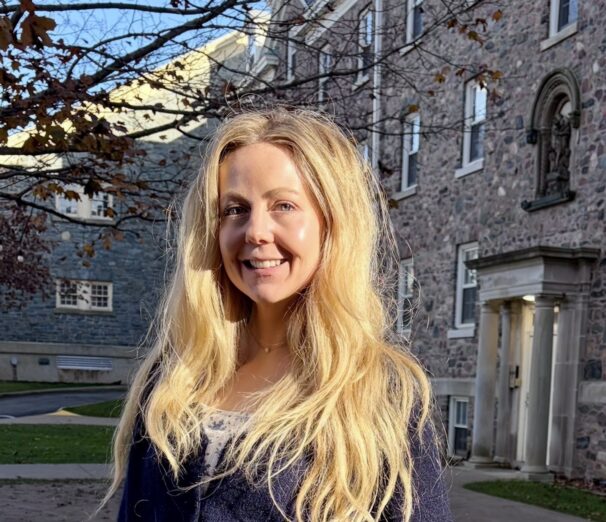
Casey Balon
Casey is in the Master of Journalism program at University of King's College.
Leave a Reply