
NDP MLA says public housing improvements aren’t enough
'Tenants are living day-to-day,' says Lachance
caption
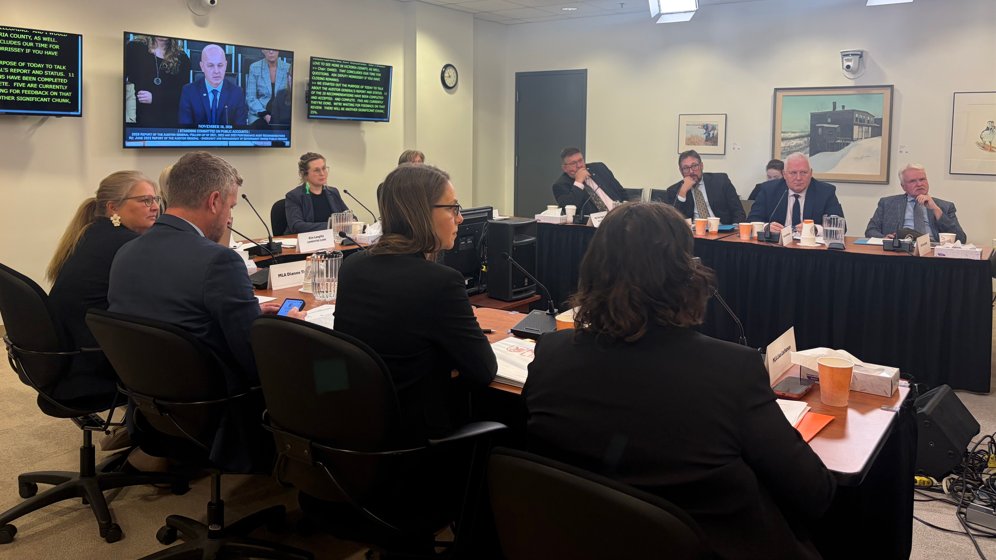
The province's public accounts committee meets on Wednesday to discuss public housing.NDP House Leader Lisa Lachance says the public housing agency “could be doing a lot more with a lot less.”
The Department of Growth, Development and Defence Industries updated the legislature’s public accounts committee at a meeting on Wednesday, where they discussed improvements in public housing.
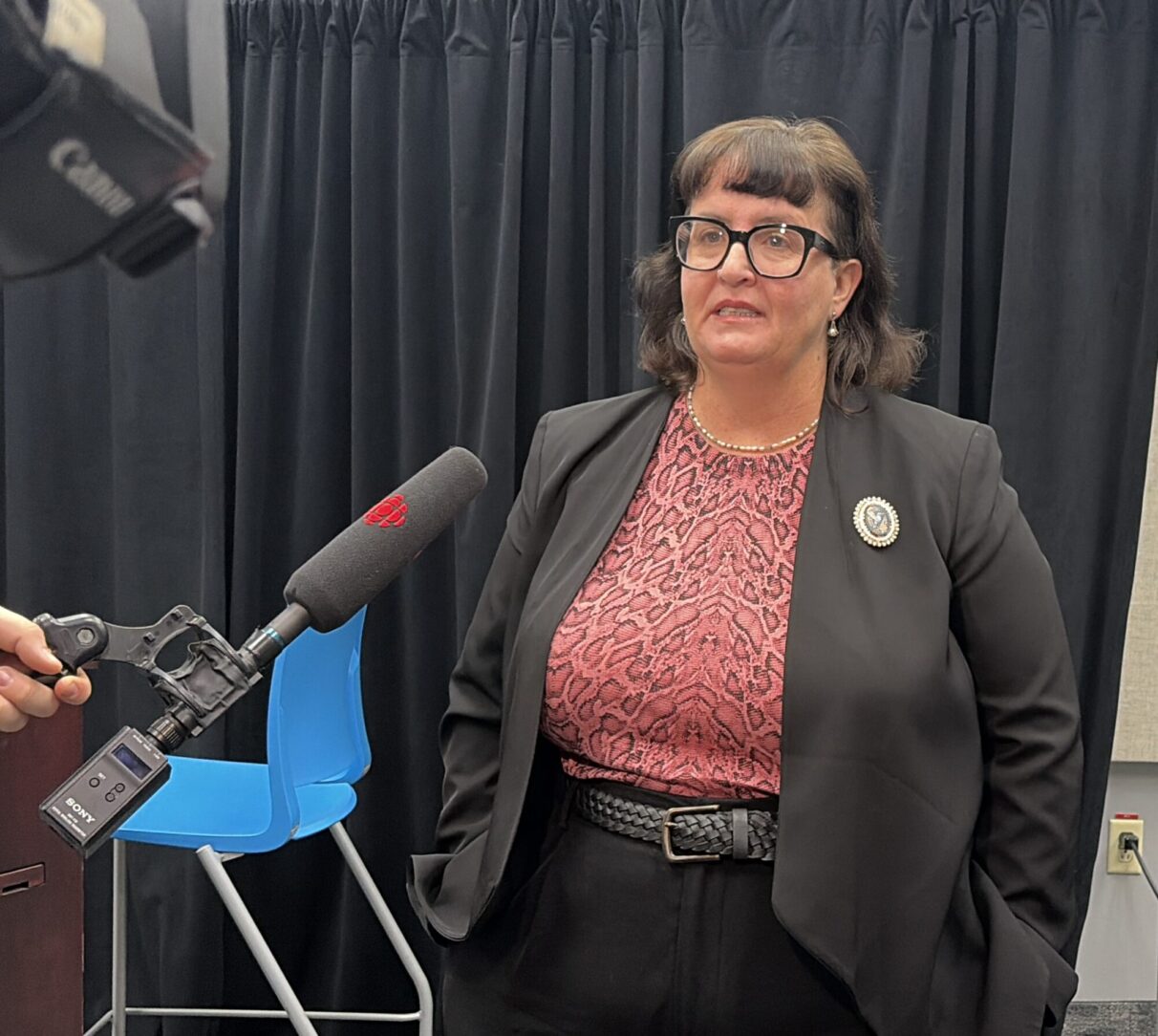
Lachance sits on the public accounts committee. She says the Nova Scotia Public Housing Agency’s (NSPHA) programs, like rent supplements, do not address the root problem: lack of affordable housing.
“The best housing policy keeps people in the housing that they want to be in, and the communities they want to be in, and it’s affordable,” Lachance told reporters following the meeting. “I think we need to really think about this reliance on supply without a real emphasis on affordable housing.”
caption
NDP MLA and House Speaker Lisa Lachance speaks to reporters following Wednesday’s public accounts committee meaning.Lachance says the NSPHA lacks accountability for tenant complaints, despite improvements made by the department.
Pam Menchenton, executive director of the Nova Scotia Public Housing Agency, told the committee that the department is reviewing a tenant engagement strategy. One of these strategies includes two building meetings in senior housing each month, where tenants can meet with property managers.
Lachance works closely with two public housing buildings in their riding, which includes a large chunk of downtown Halifax. Tenants say the quality of communication has gone down since the public housing authorities merged to become one provincial agency.
Tenants have no clear way of reporting problems, no building meetings and many have concerns about security, pest infections and cleanliness, said Lachance.
“I haven’t seen evidence of improved accountability,” Lachance says. “. . . I think we’re going to need to see it actually work for anyone, most of all residents, to be satisfied.”
“It’s been a long time (improving the housing agency), but tenants are living day-to-day,” said Lachance.
“We want to improve tenant engagement, we need to hear from them, we need to be out more,” Menchenton told the committee. “. . . That is something we’re working on. (It’s) progressive improvement, it’s not perfect, and I agree we should’ve done a whole lot better.”
The meeting follows up on a 2022 auditor general report that said departmental disorganization and lack of oversight were key problems with the province’s housing authority.
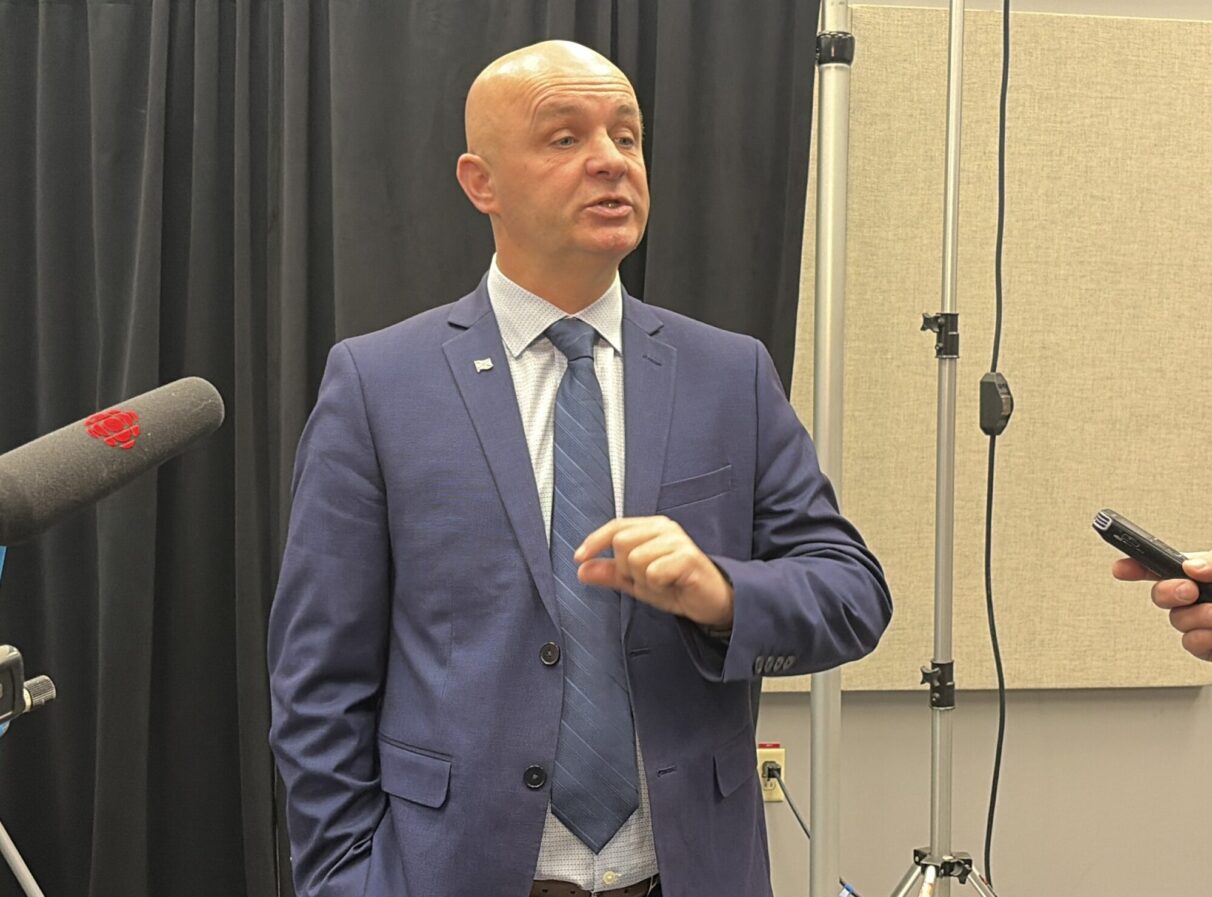
Fifty-five per cent of recommendations have been completed since 2022, deputy minister Chris Morrisey told the committee. The remaining four recommendations are to be completed by March 2027.
Of 515 new homes planned for development, only 51 have been completed since 2023. Over 250 homes are nearing completion or under construction.
The wait time for public housing is 20 months on average, down from 27 in 2022. Just over 8,400 Nova Scotians are on the waitlist, an increase of over 40 per cent since 2022.
Morrisey said the department has been working to restructure their services. Since 2022, the department has amalgamated five separate housing authorities under one provincial public housing agency umbrella.
caption
Deputy minister of growth, development and defence industries Chris Morrisey talks to reporters after a public accounts committee meeting on Wednesday.“It was like five trains operating on five different train tracks,” Morrisey told the committee, regarding the merger.
“How could we get those five cabooses together to provide consistent services throughout the entire province?”
Morrisey said that slow progress stems from a desire to fully implement the recommendations, rather than “checking boxes.”
“Our engagement is not just with the tenants, but with our employees and regional directors, so they understand what we’re asking of them,” he said. “It’s making sure we have the right resources to do what we have to do.”
About the author

Sally Skinner
Sarah "Sally" Skinner is a journalist from York Harbour, NL.
Leave a Reply